Photos
Created by Copilot AI and may not be accurate. Awaiting review
| Built | Early 1900s (rebuilt multiple times) |
| Condition | ★★★☆☆ (intact; remote and rustic) |
| Location | Alpine National Park, VIC – Wonnangatta Valley via Zeka Spur Track |
| Alternate Names | Wonnangatta Station Hut |
| 1860s | Wonnangatta Station established by Oliver Smith and Ellen Tichborne |
| 1910s | Original homestead and hut built; site later linked to unsolved murder |
| 2000s–Present | Hut rebuilt and maintained as a heritage waypoint |
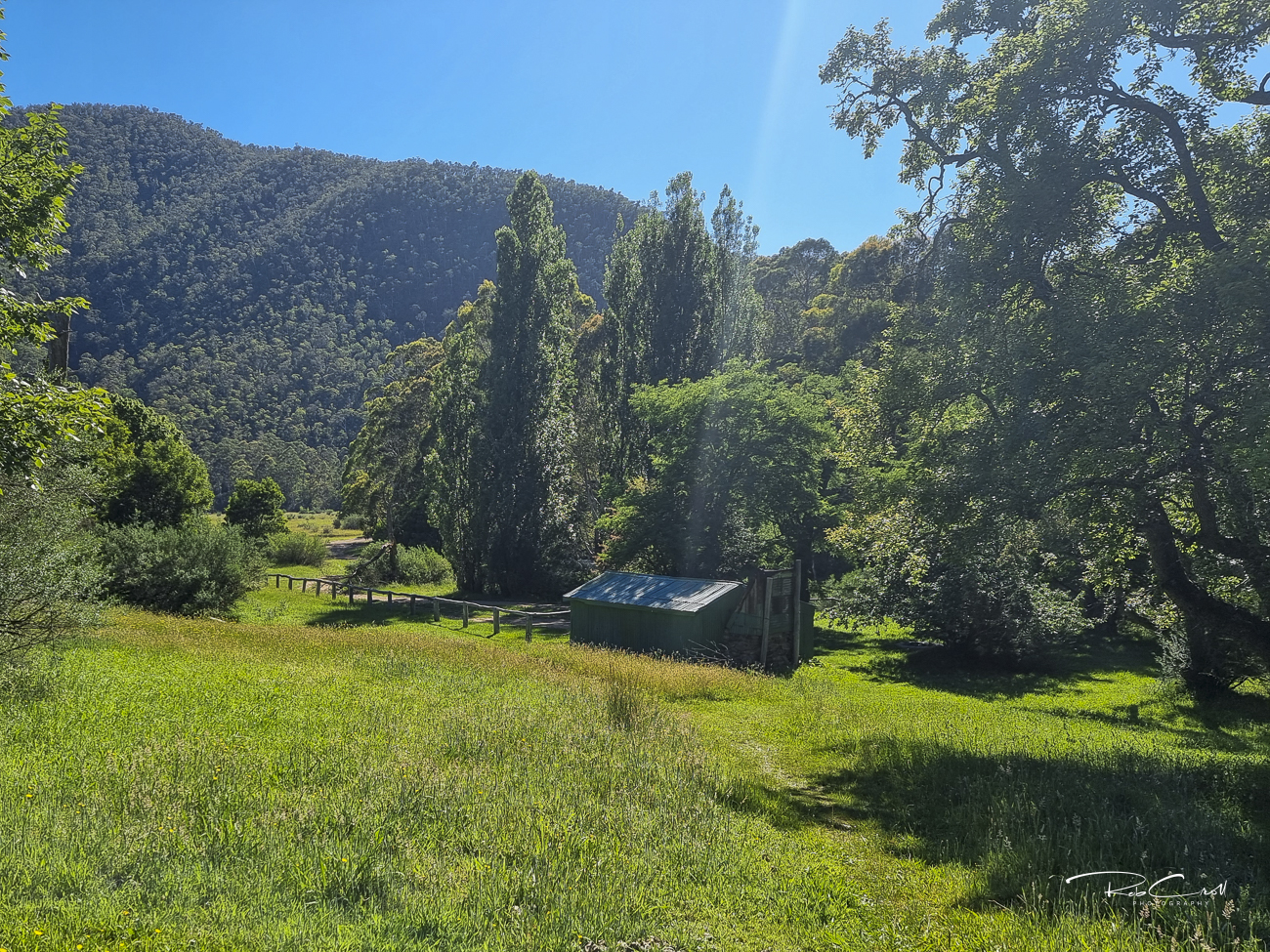
Wonnangatta Hut marks the site of the historic Wonnangatta Station, one of the most remote and storied homesteads in Victoria’s High Country. Established in the 1860s by Oliver Smith and his partner Ellen Tichborne, the station operated as a cattle run deep in the Wonnangatta Valley. The original hut and homestead were destroyed, and the site gained notoriety in the 1910s due to an unsolved double murder.
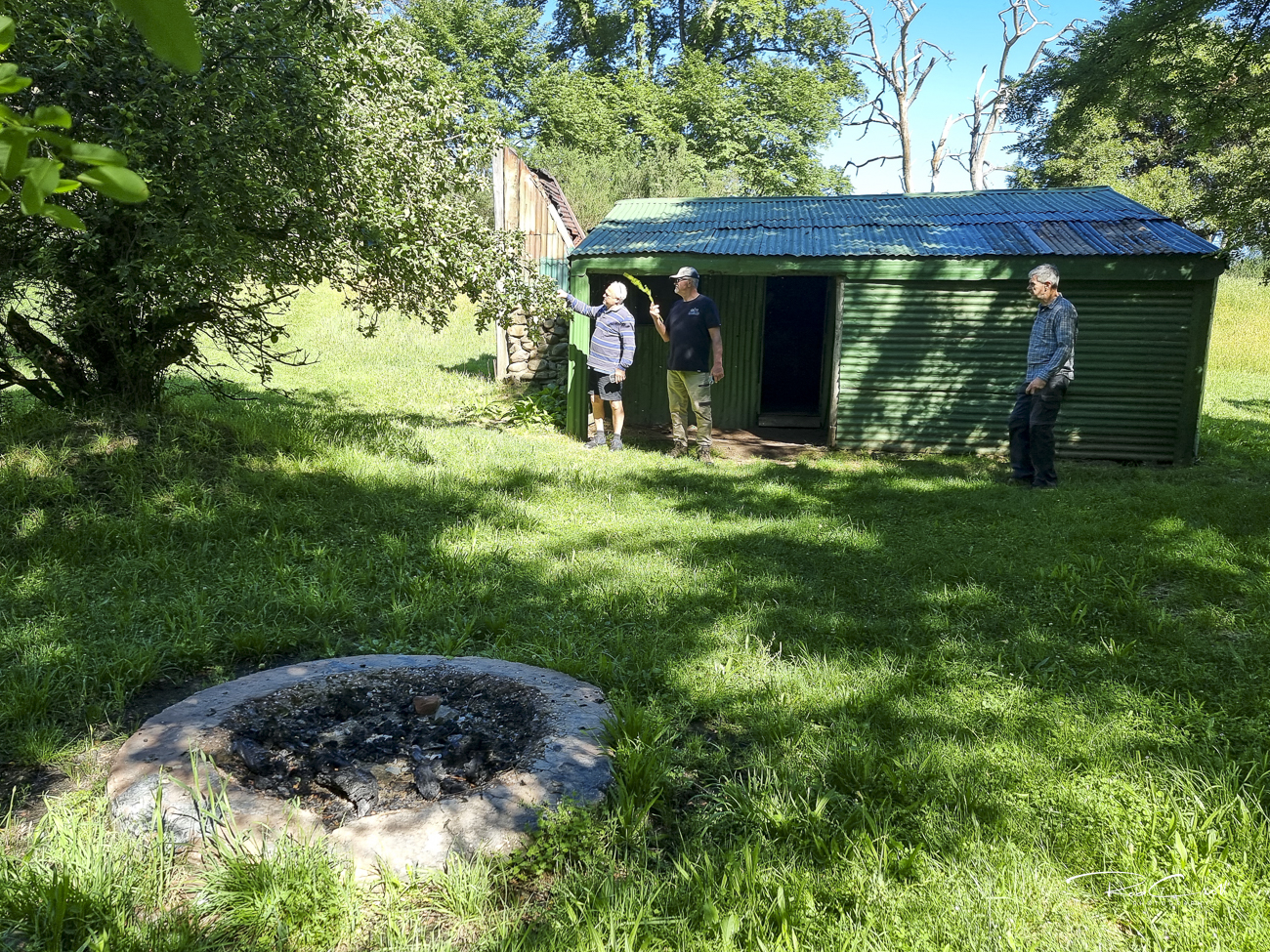
Today, the hut is a modest structure rebuilt by volunteers and Parks Victoria. It serves as a waypoint on the [Wonnangatta Icon Drive](https://www.parks.vic.gov.au/places-to-see/parks/alpine-national-park/things-to-do/wonnangatta-icon-drive), a 222 km 4WD loop through the Alpine National Park. The site includes interpretive signage, camping areas, and remnants of the original station.
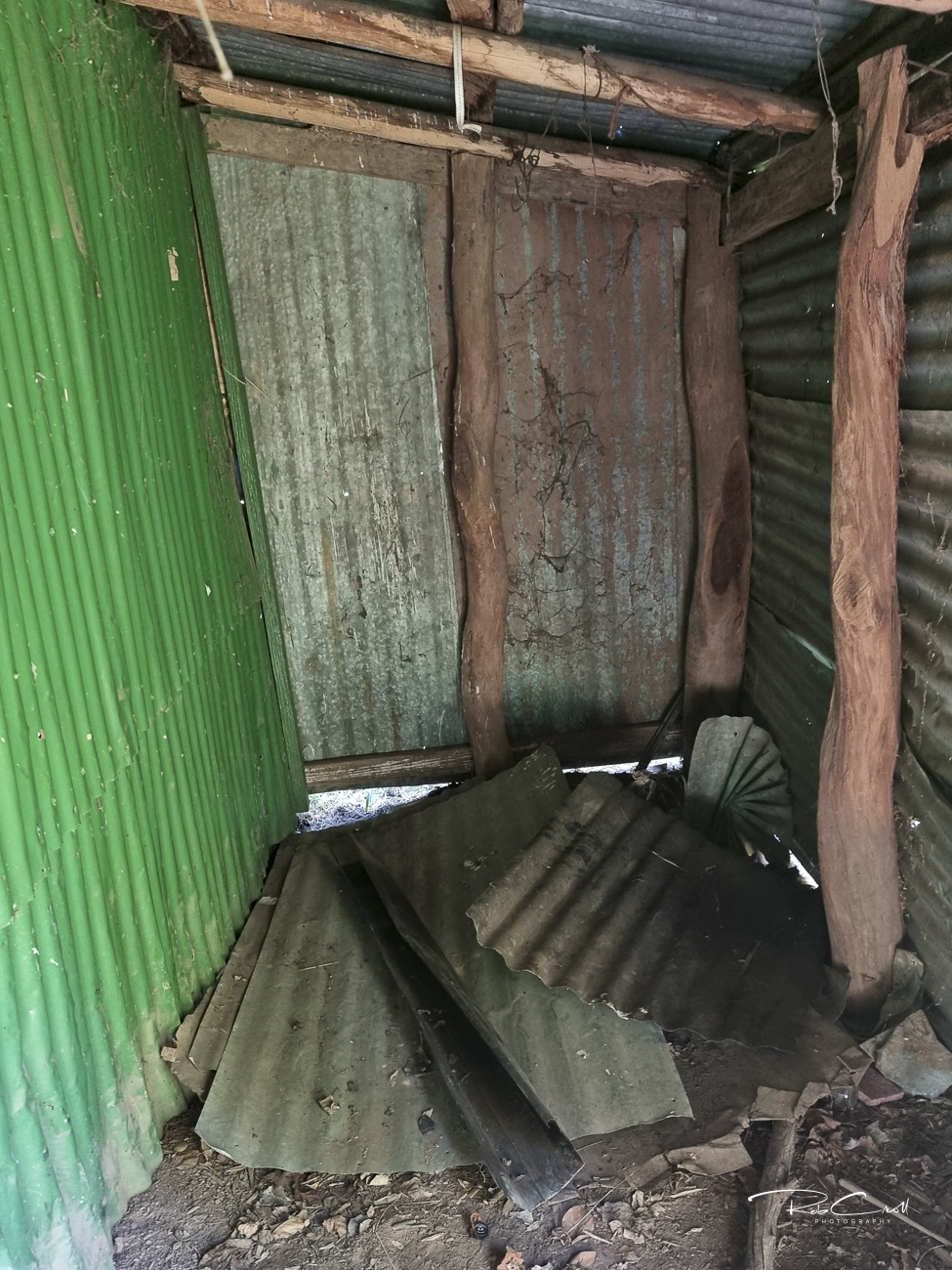
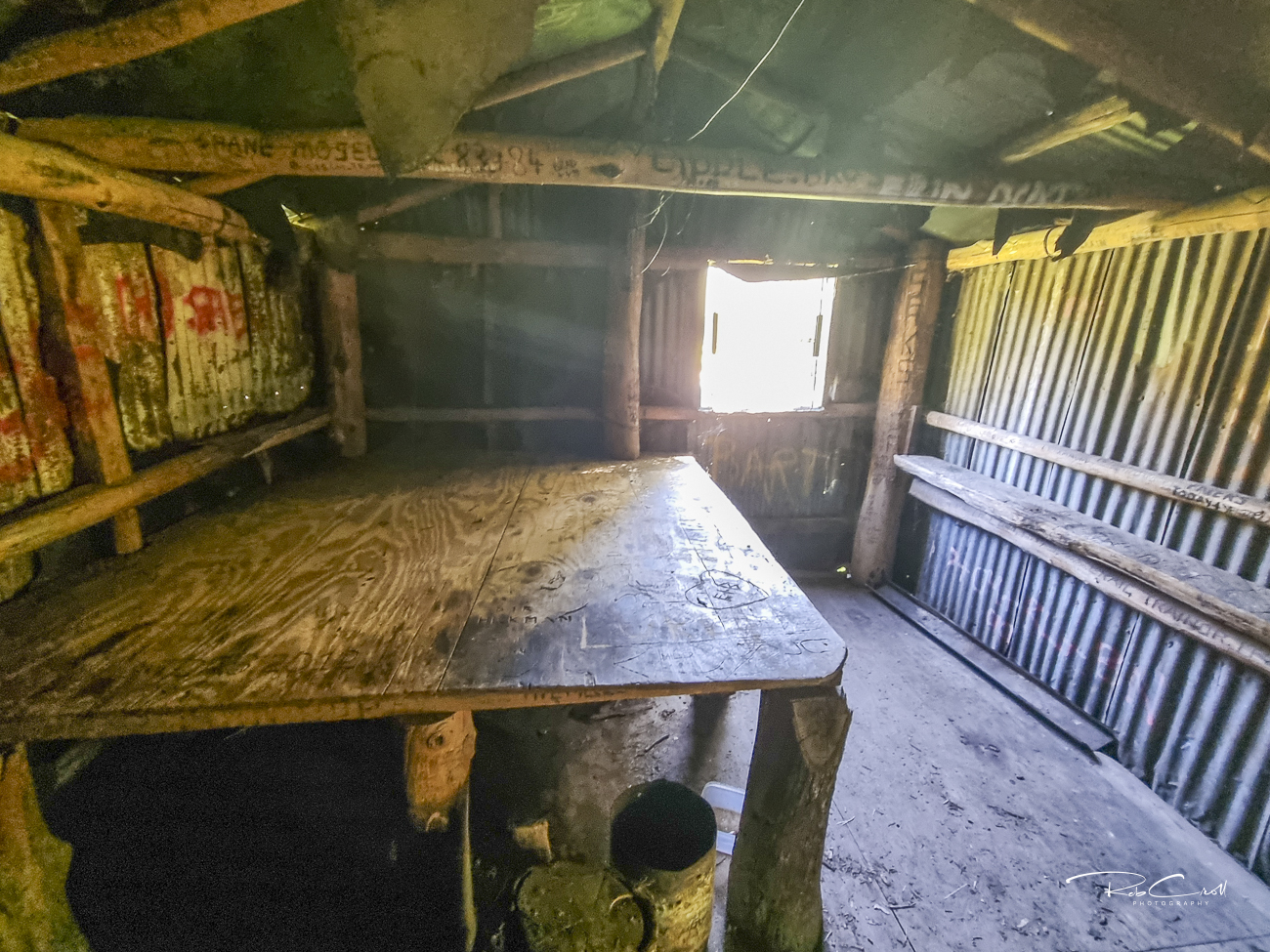
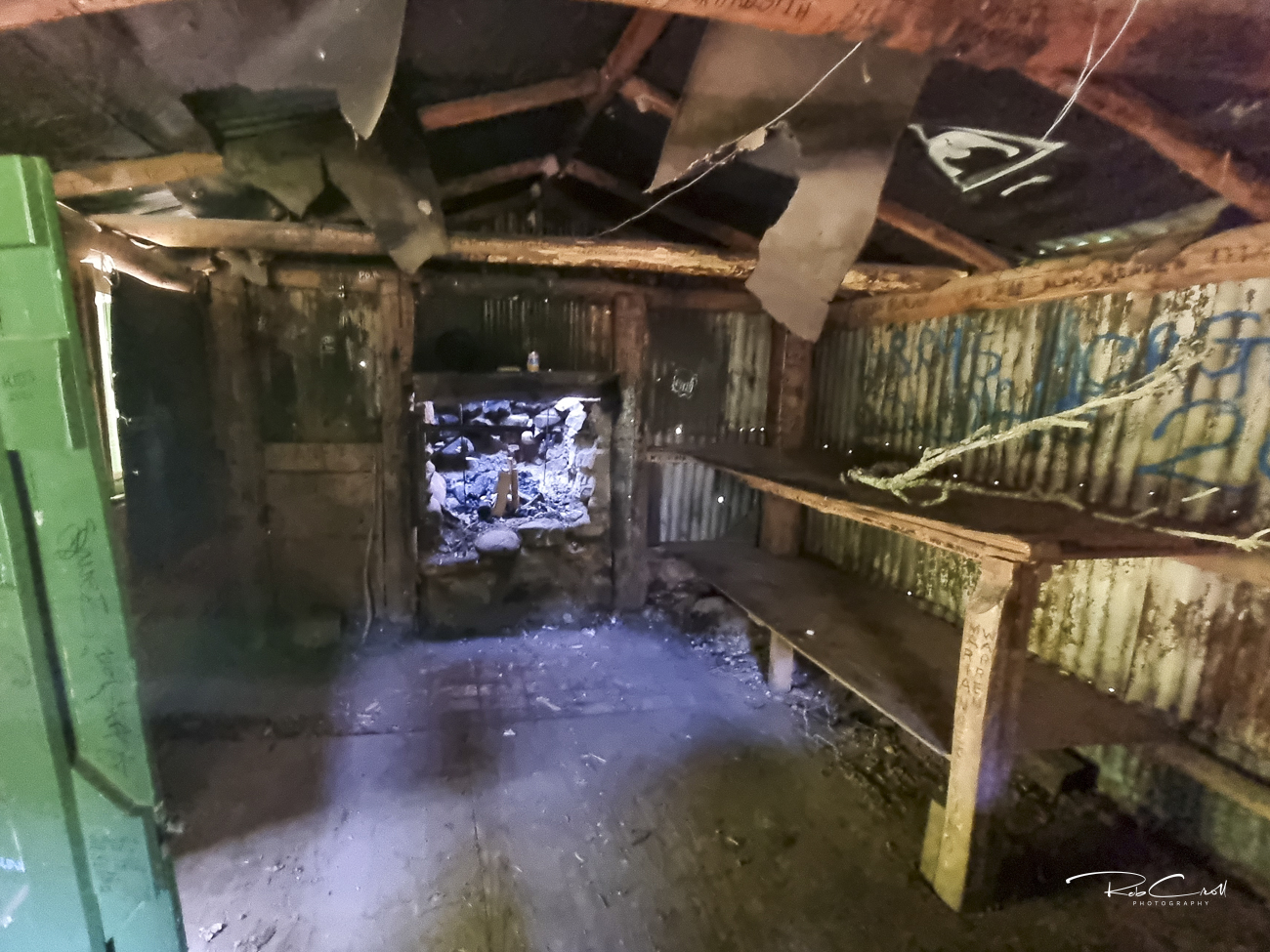
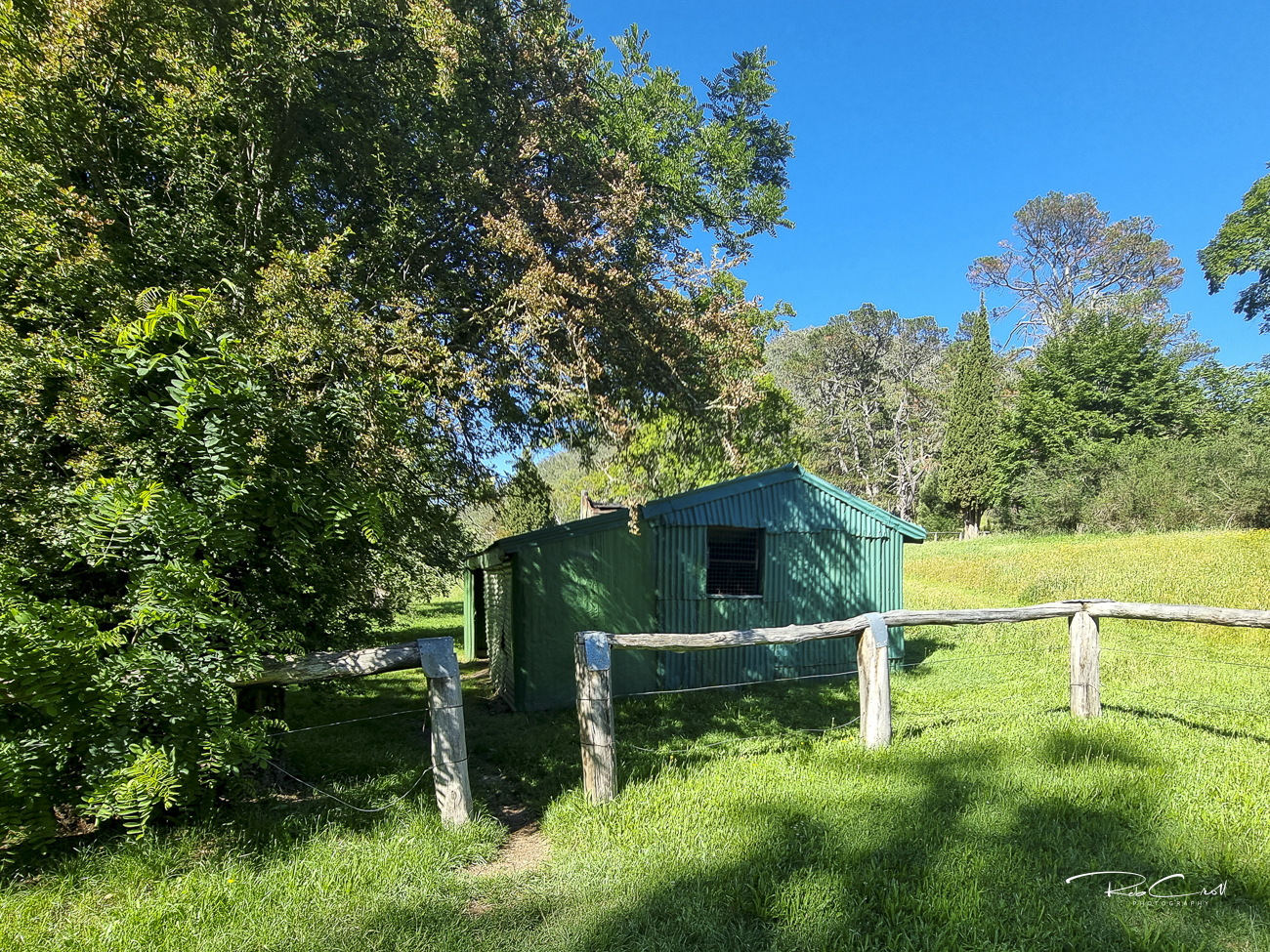
The current hut is a timber-framed structure clad in corrugated iron, with a pitched roof, wooden floor, and stone fireplace. It includes basic furnishings and a small porch. The hut is dry and weatherproof, though rustic and remote.
No toilet or water source is present. Visitors must be fully self-sufficient and prepared for alpine conditions.
Wonnangatta Hut is managed by Parks Victoria and supported by 4WD Victoria and heritage volunteers. It is part of the Wonnangatta Icon Drive and the Alpine National Park heritage network. Interpretive signage highlights its grazing legacy, pioneer history, and the mystery surrounding the original station.
The hut is accessible via Zeka Spur Track or Herne Spur Track, both rated Difficult. Visitors should allow 2–3 days for the full loop and carry all supplies. Camping is permitted nearby, and seasonal closures apply from June to late October due to snow and erosion risk.