Photos
Created by Copilot AI and may not be accurate. Awaiting review
| Built | 1935 by Bill Napthali and Fred Clarke (or possibly 1933–34 by Clarke family and Edward Haslingdon) |
| Condition | ★★★★☆ (restored 2010–11 after fire) |
| Location | Munyang Corridor, near Schlink Pass |
| Alternate Names | Kelvinator (nickname for removed annexe) |
| 1935 | Built for grazing; materials carried in by packhorse |
| 1938 | Kosciusko Alpine Club acquires interest; bunkroom added |
| 1962 | SMA adds annexe (later nicknamed “Kelvinator”) |
| 2010 | Interior destroyed by accidental fire |
| 2011 | Restored by NPWS, KHA, and Kosciusko Alpine Club |
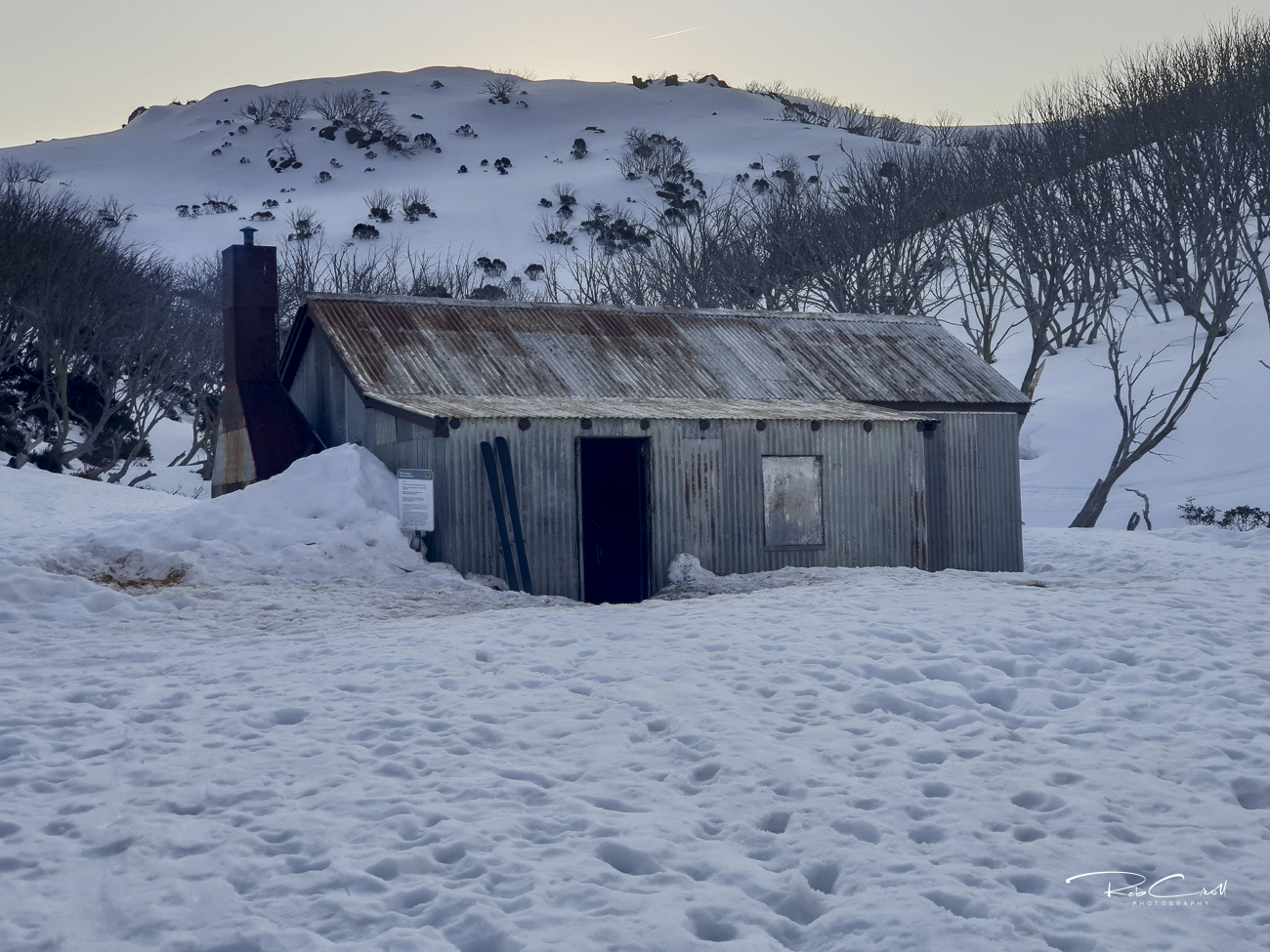
Whites River Hut was built in the mid-1930s to support grazing leases in the upper Munyang Valley. It was later adopted by the Kosciusko Alpine Club as a winter base for cross-country skiing, with improvements including a bunkroom and enclosed verandah.
The hut became a cornerstone of backcountry skiing culture in Kosciuszko National Park. After a fire in 2010 destroyed the interior, it was fully restored with new insulation, bunks, and a potbelly stove. The removed SMA annexe — nicknamed the “Kelvinator” — once served as a kitchen and is fondly remembered by older skiers.
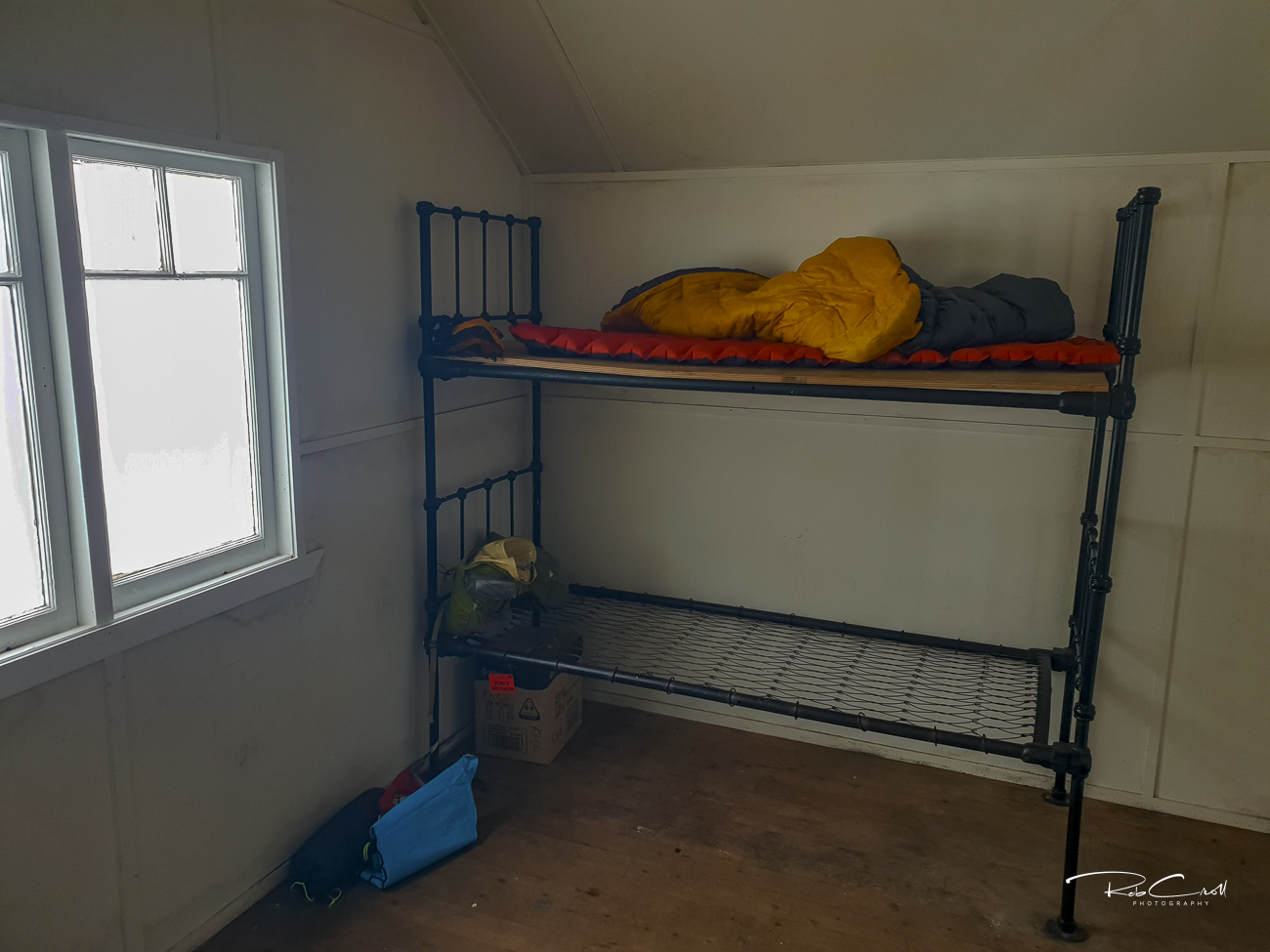
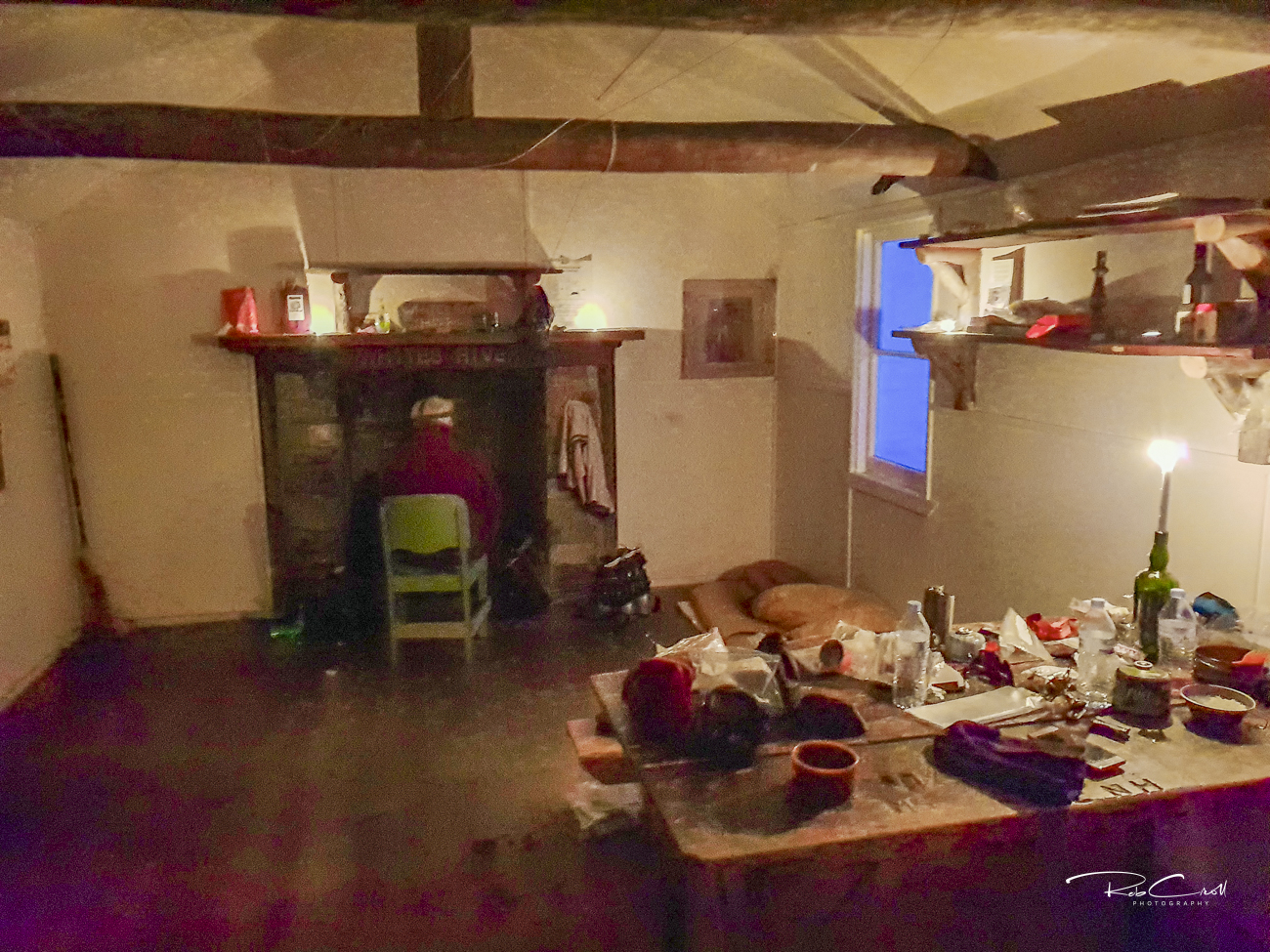
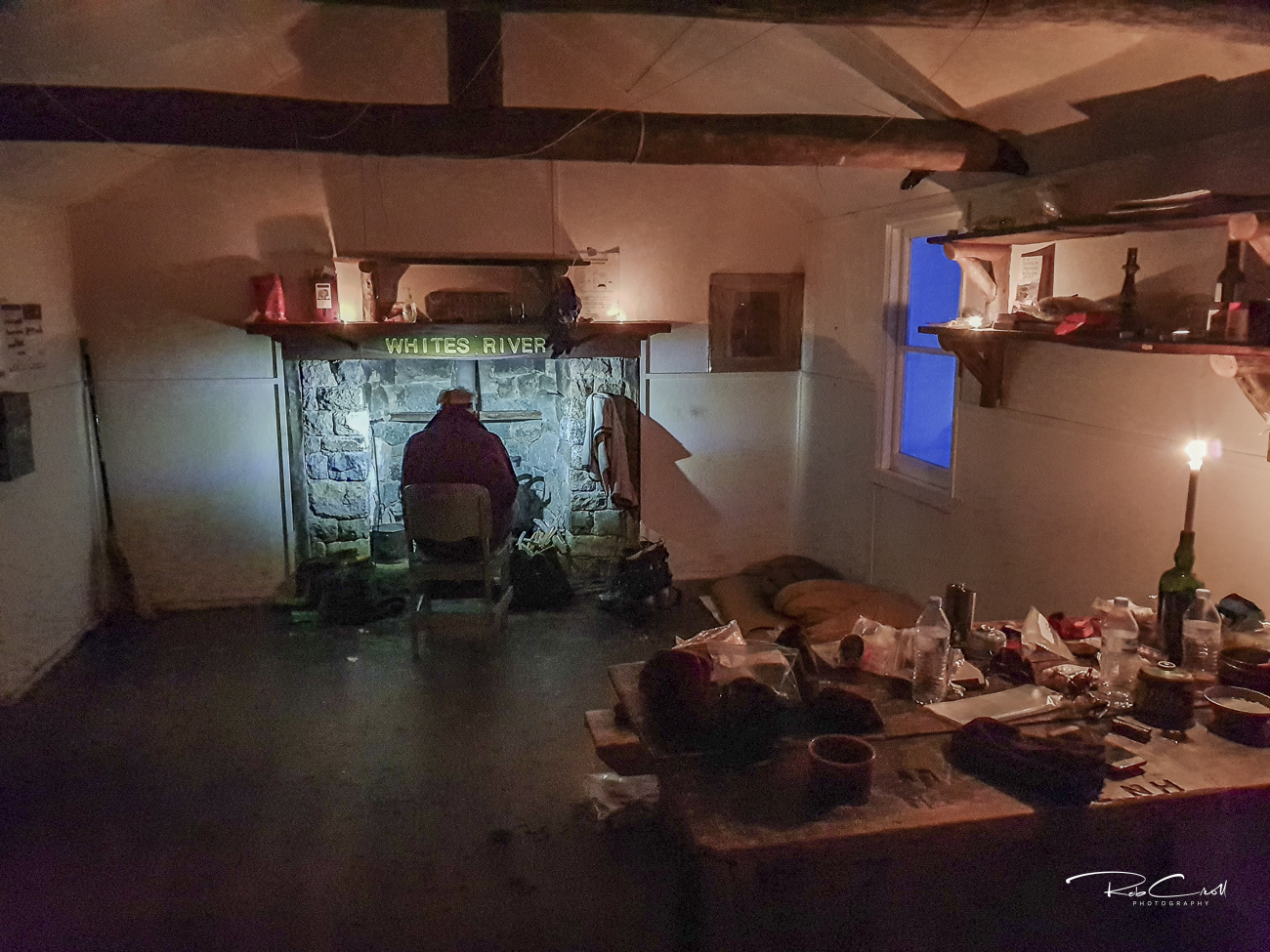
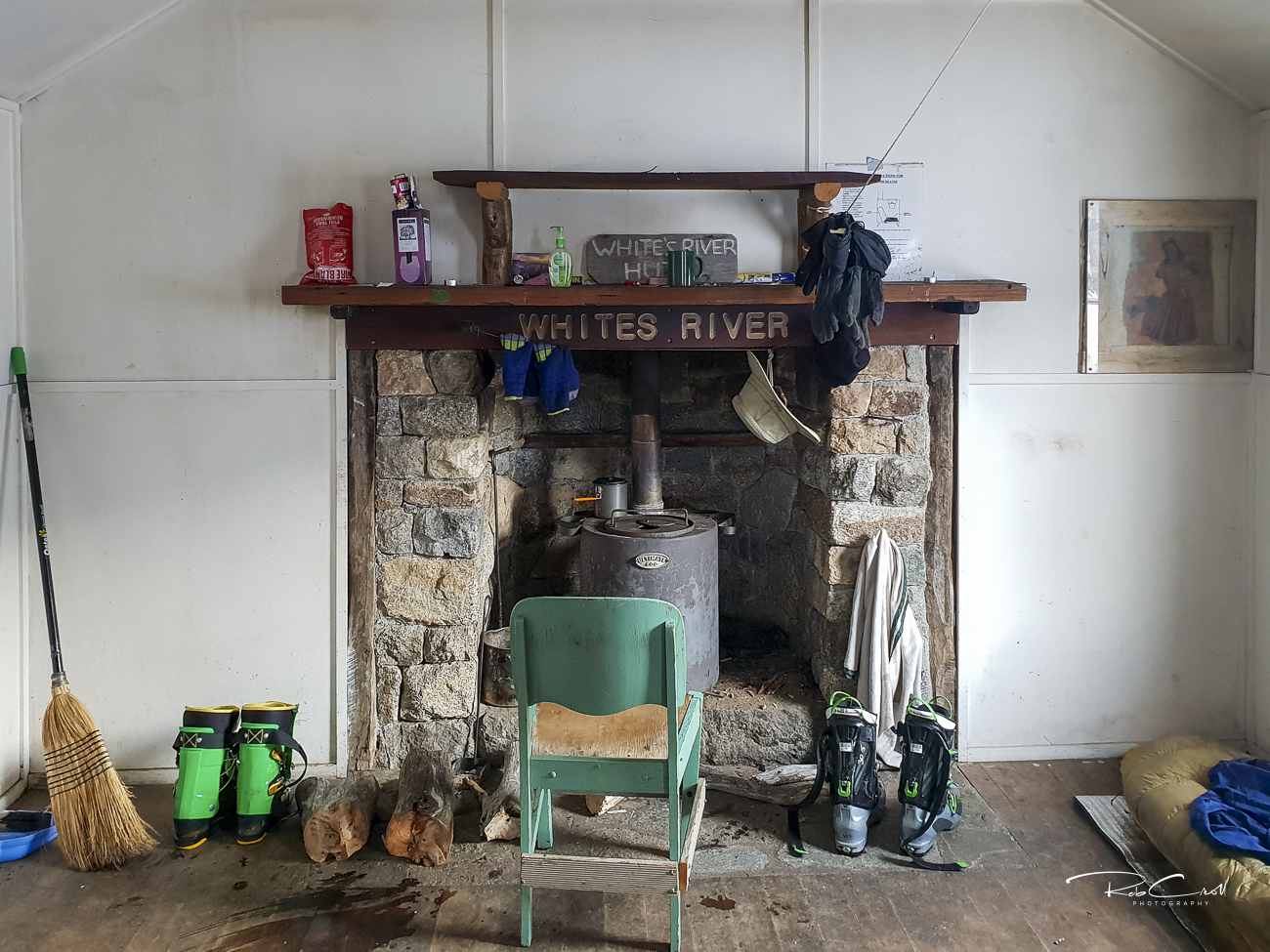
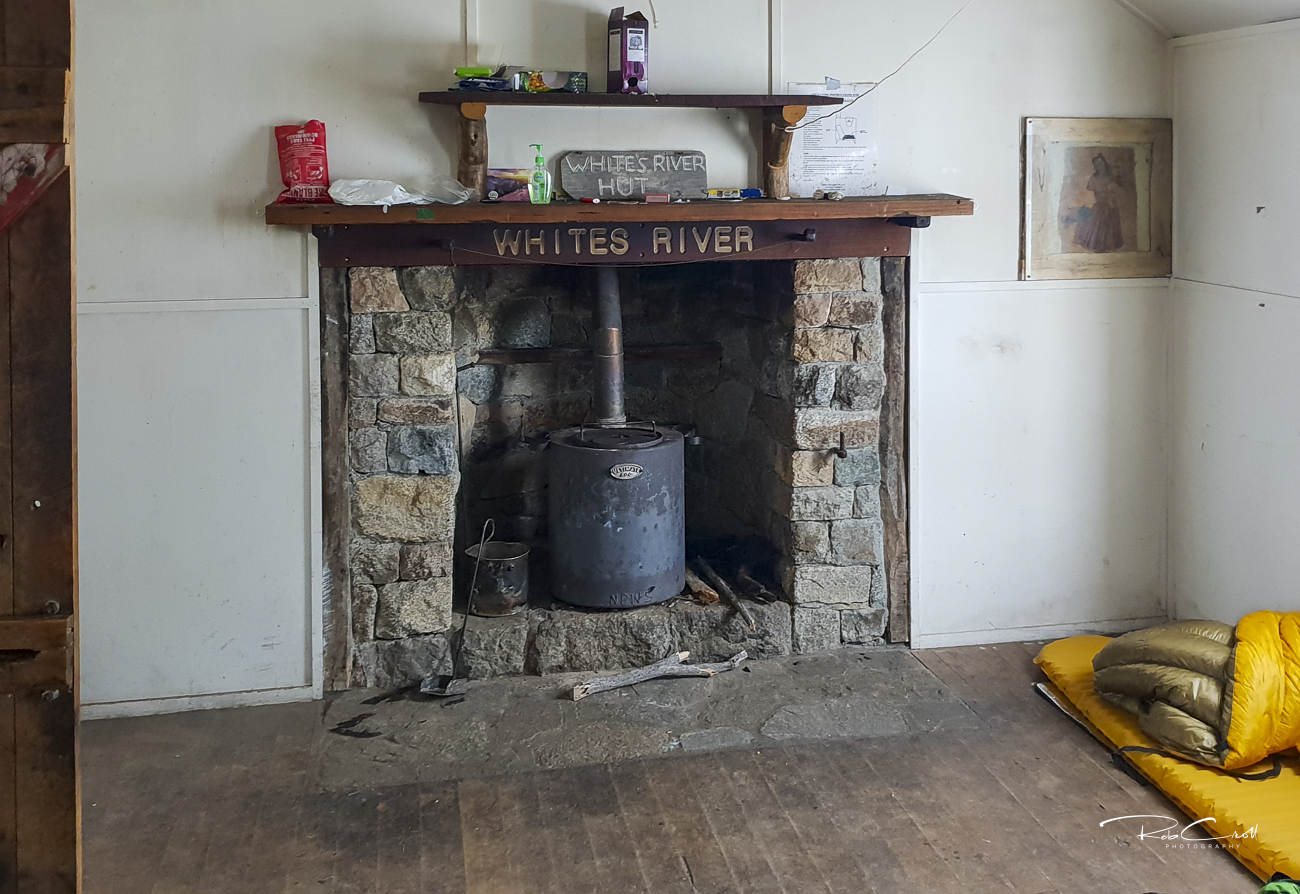
Whites River Hut is a two-room iron structure with a wooden floor, stone fireplace, and covered verandah with wood storage. It features wide bunks, a potbelly stove, and a separate pit toilet. The hut is insulated and weatherproof, though visitors are advised to bring tents in busy seasons.
The site is home to native rodents — protected species that are known to share food if left unsecured.
Whites River Hut is listed in the KNP Plan of Management Schedule L.124 and holds KHA reference number 117380. Restoration after the 2010 fire was led by NPWS with support from KHA and KAC. The hut is actively monitored and remains a key waypoint for alpine recreation.
The hut is maintained by NPWS and KHA volunteers, with historical ties to the Kosciusko Alpine Club. Interpretive signage is recommended to highlight its grazing origins, ski culture, and restoration story. Access is via the Schlink Trail from Guthega Power Station.