Photos
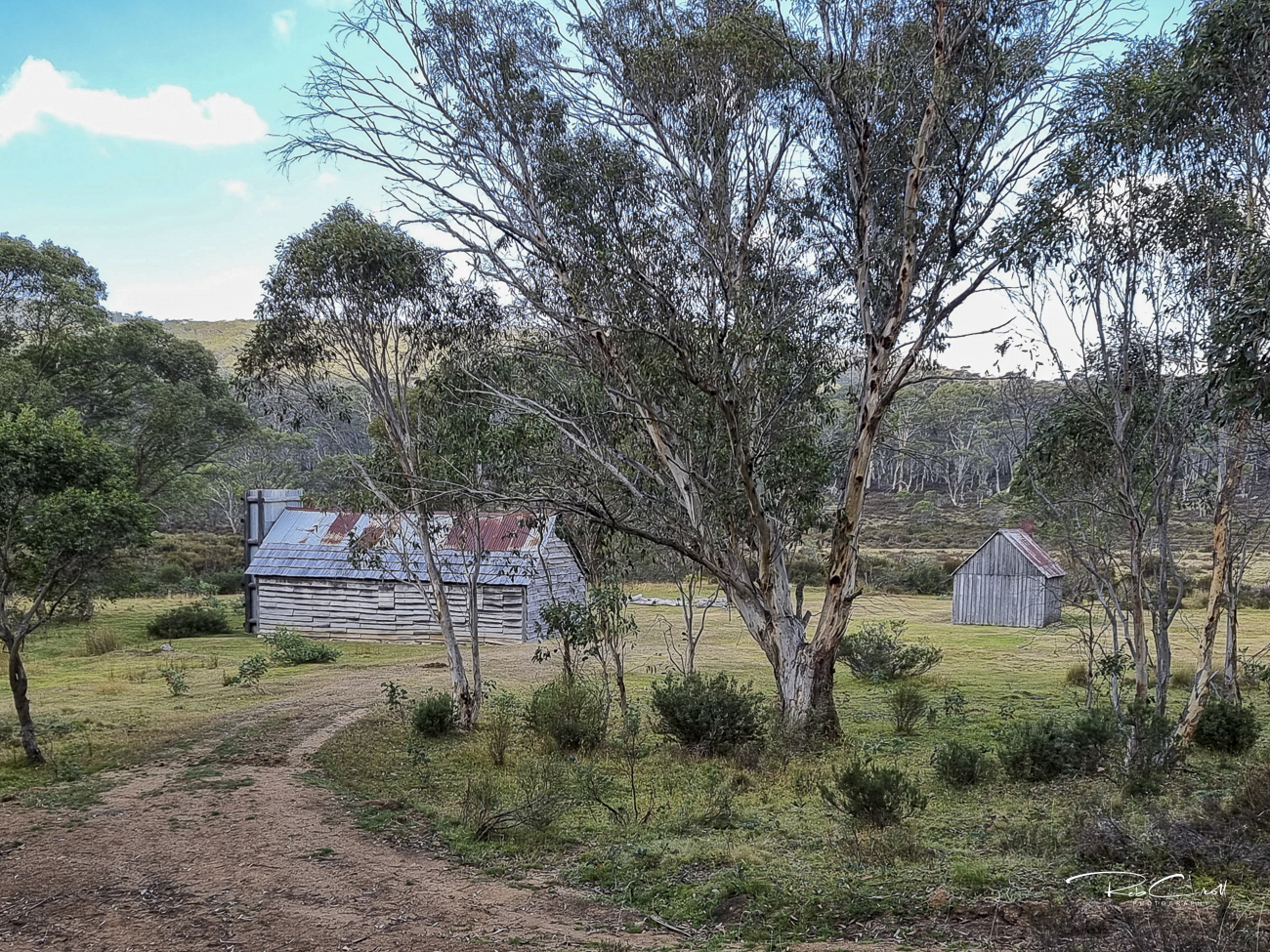
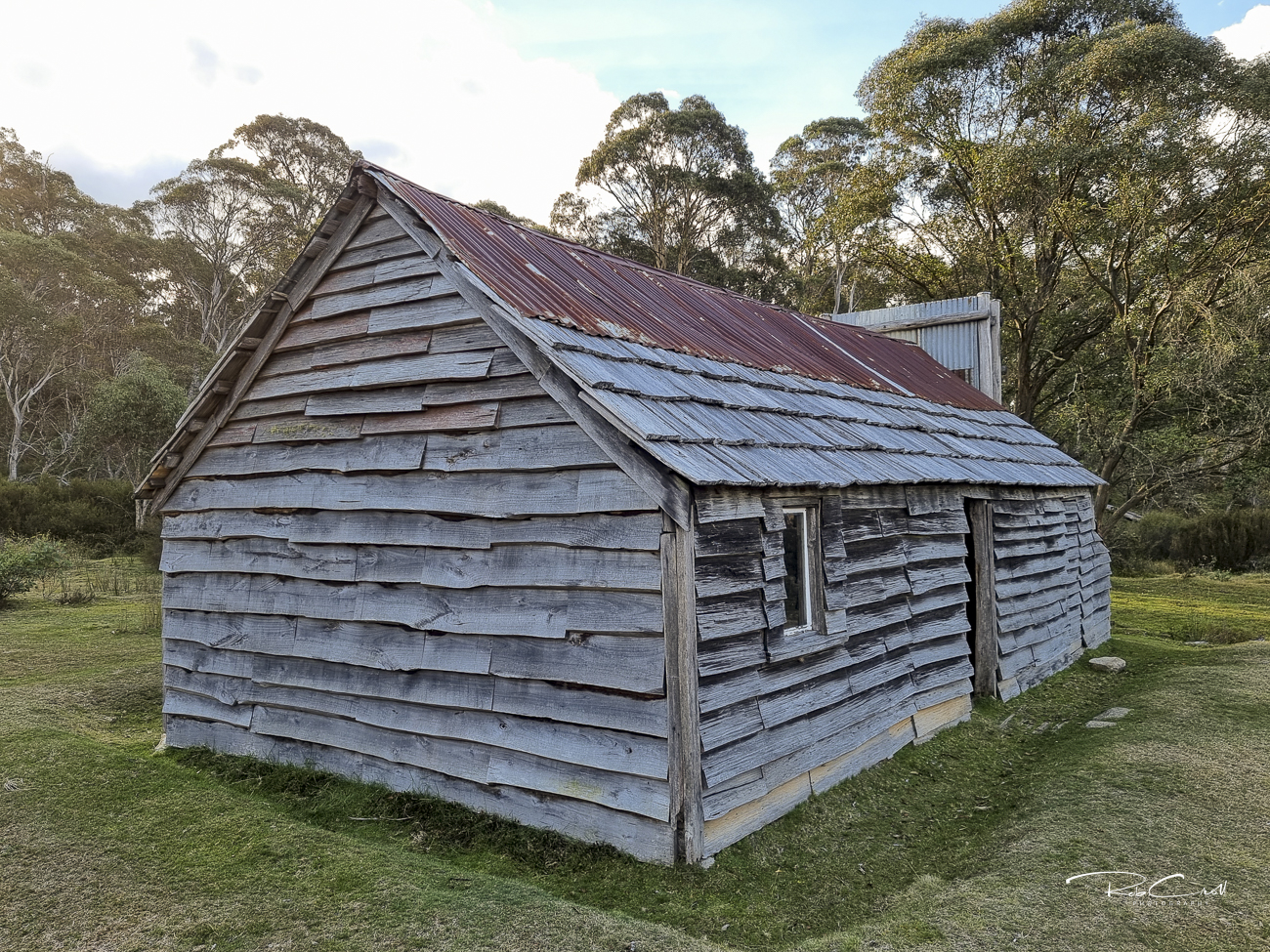
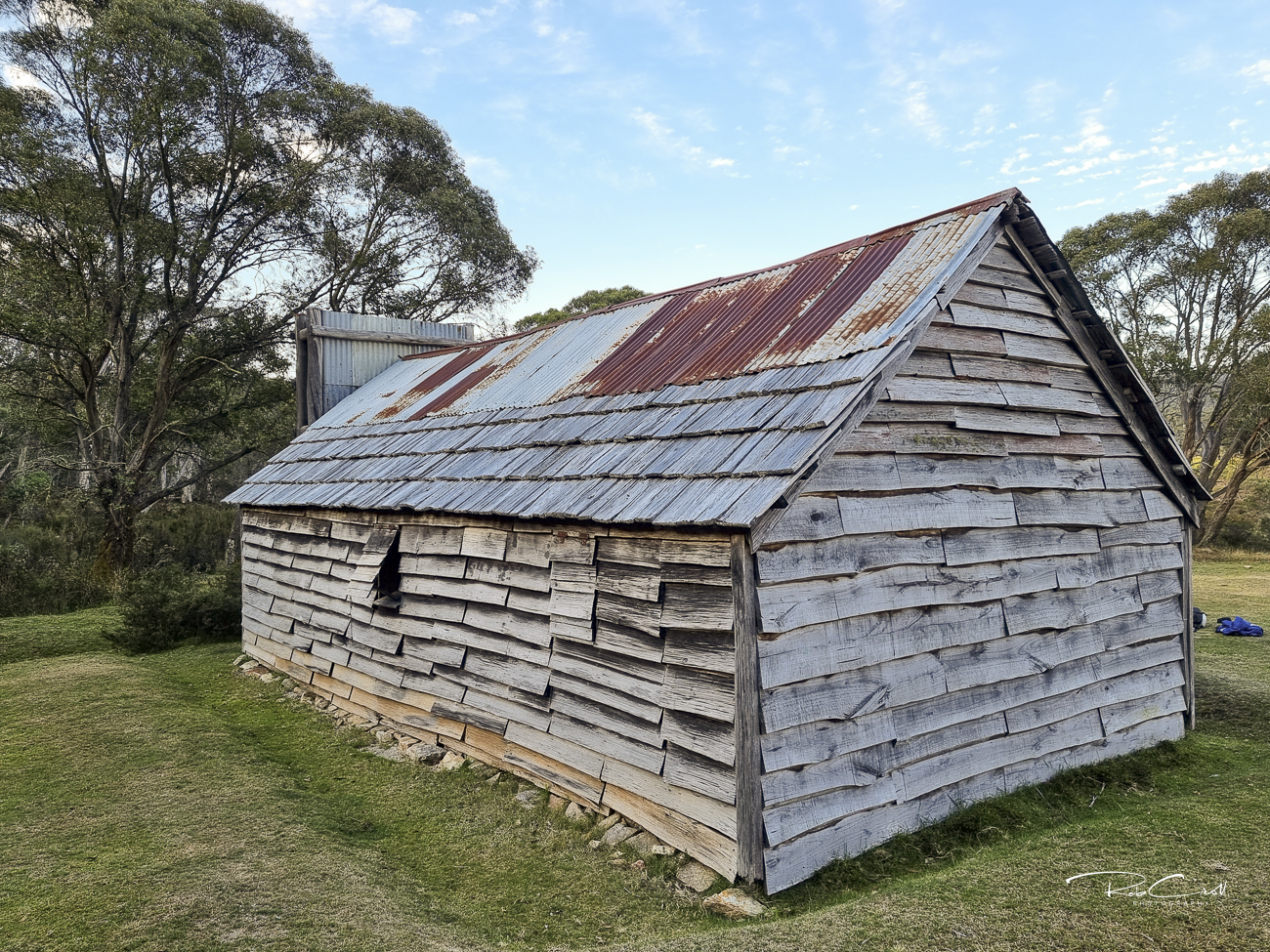
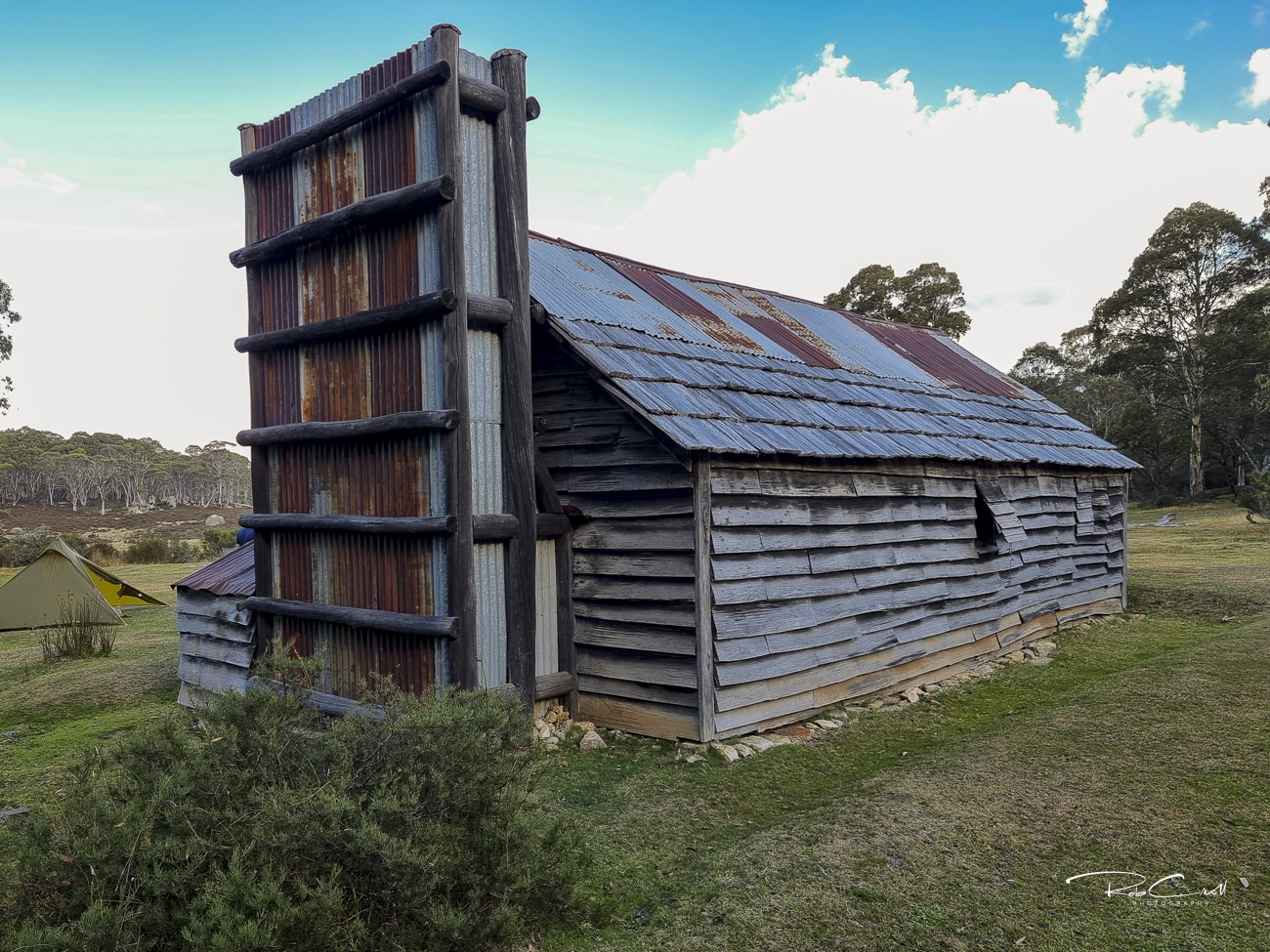
Created by Copilot AI and may not be accurate. Awaiting review
| Built | 1935–36 by Mt Pilot Tin Mining Syndicate |
| Condition | ★★★★☆ (intact; rustic and spacious) |
| Location | Tin Mine Fire Trail, ~20 km south of Dead Horse Gap |
| Alternate Names | Tin Mine No. 2, The Big Hut, Old Barn |
| 1873 | Tin mining begins in the area |
| 1935–36 | Mt Pilot Tin Mining Syndicate builds several huts including the Barn |
| 1954 | SMA shelter added nearby for survey work |
| 1992 | SMA shelter removed by NPWS; Barn remains |
Tin Mines Barn was built in the mid-1930s by the Mt Pilot Tin Mining Syndicate as part of a short-lived mining venture. Though the operation was abandoned by 1938, the Barn survived and was later repurposed by the Snowy Mountains Authority, CSIRO, and Forestry for survey and fieldwork.
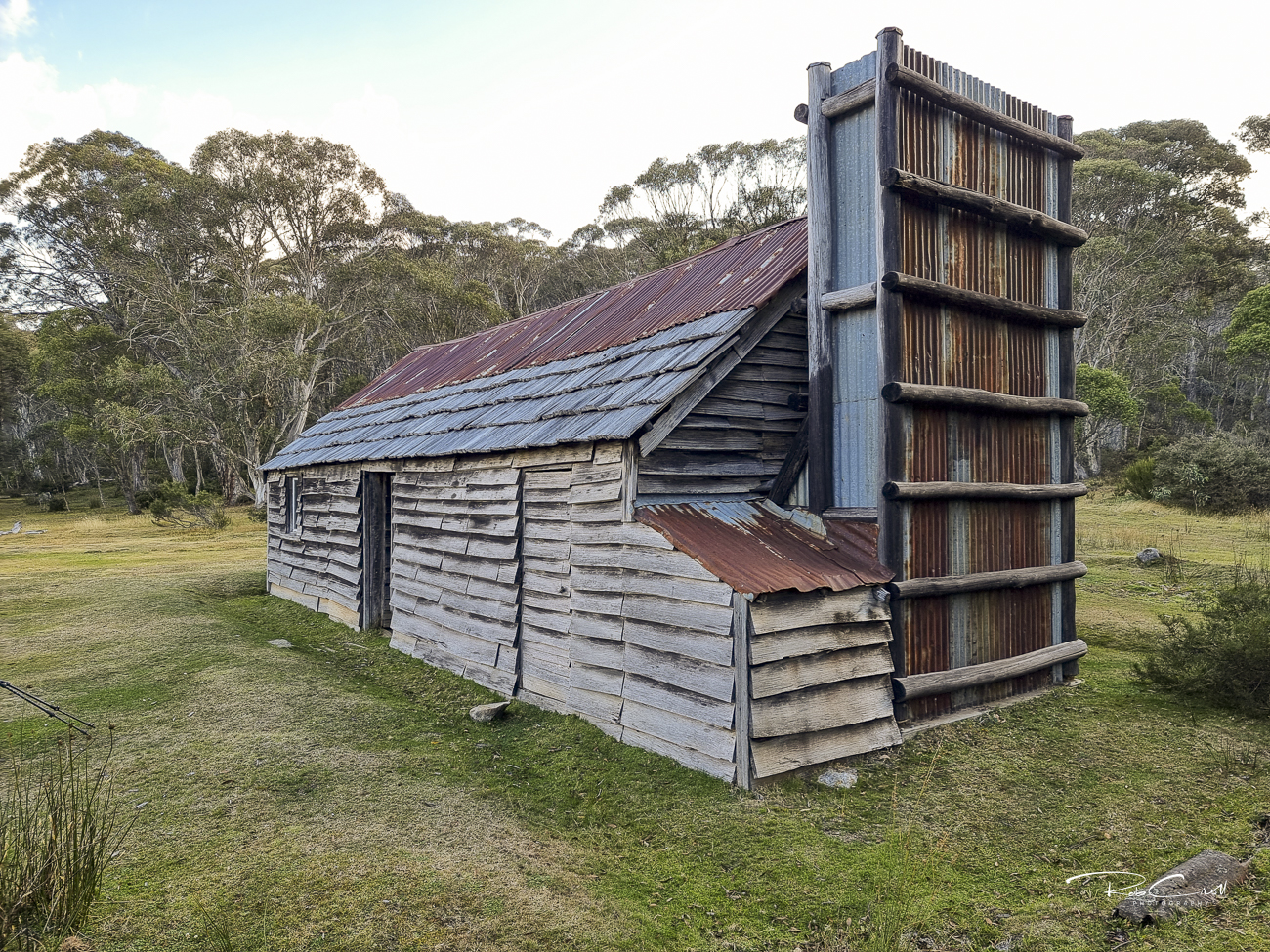
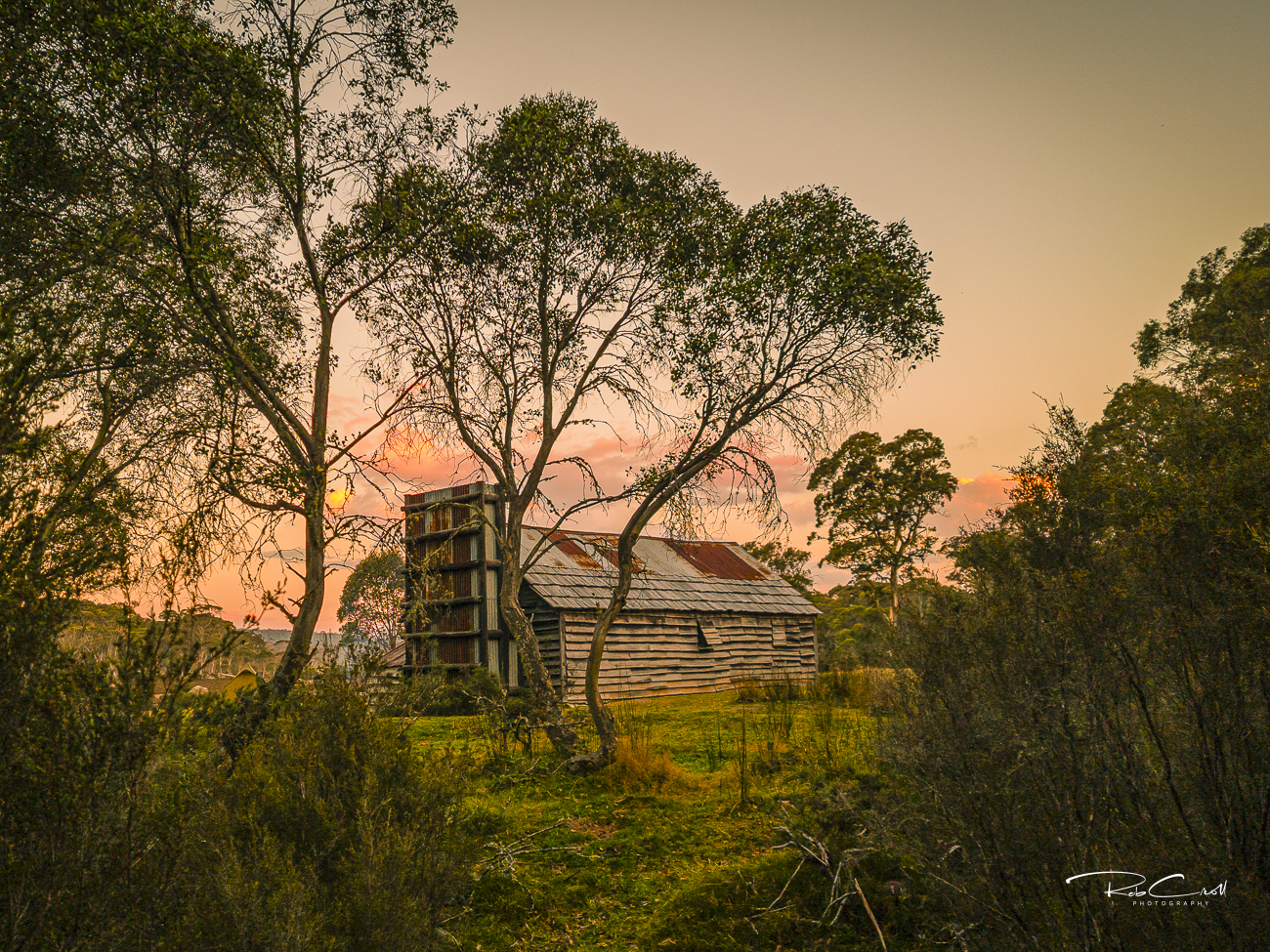
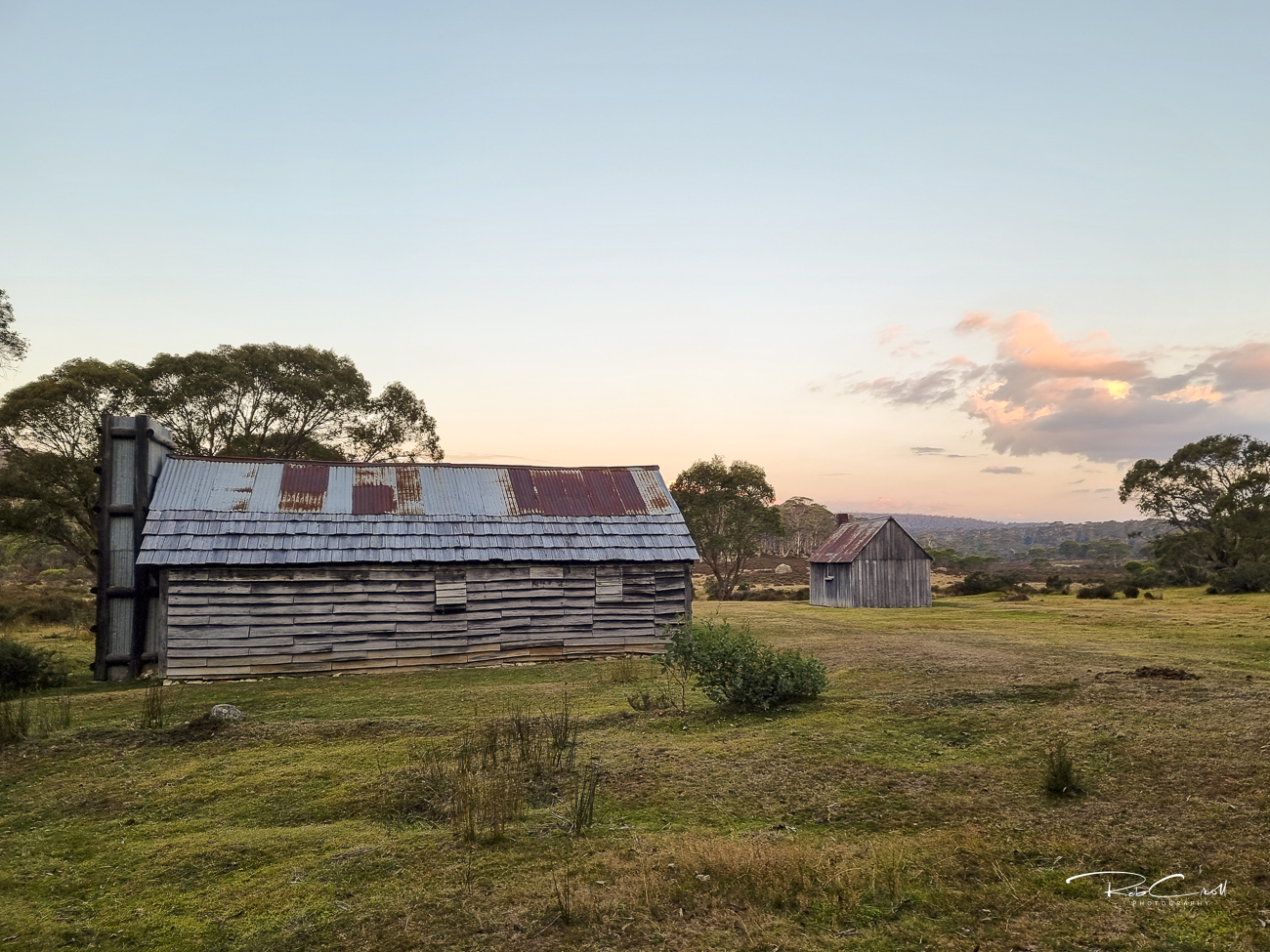
The Barn is one of the largest and most architecturally distinctive huts in Kosciuszko National Park, with unusually long shingles and chamfered weatherboards. It remains a rustic shelter and historical waypoint on the Tin Mine Fire Trail.
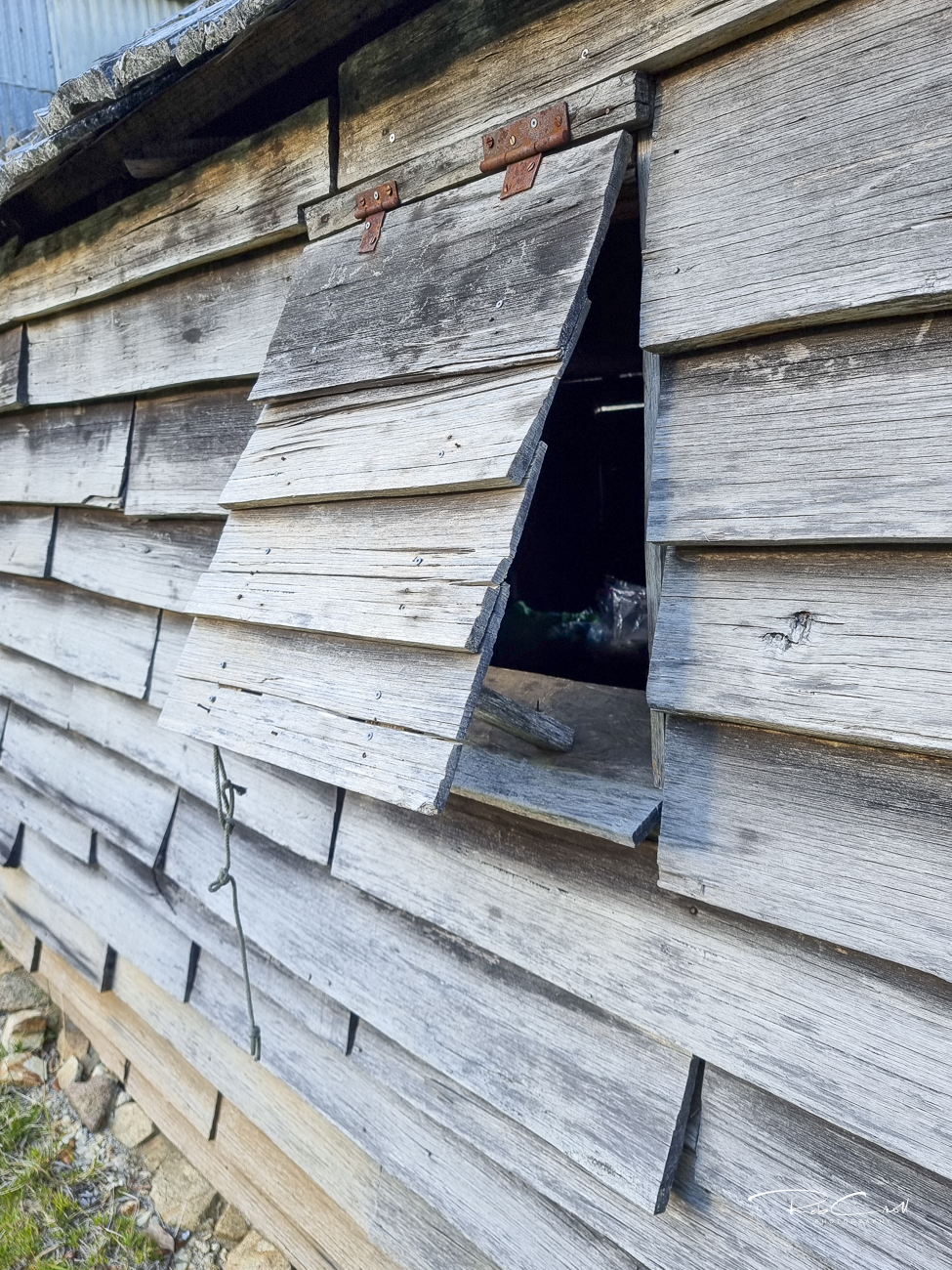
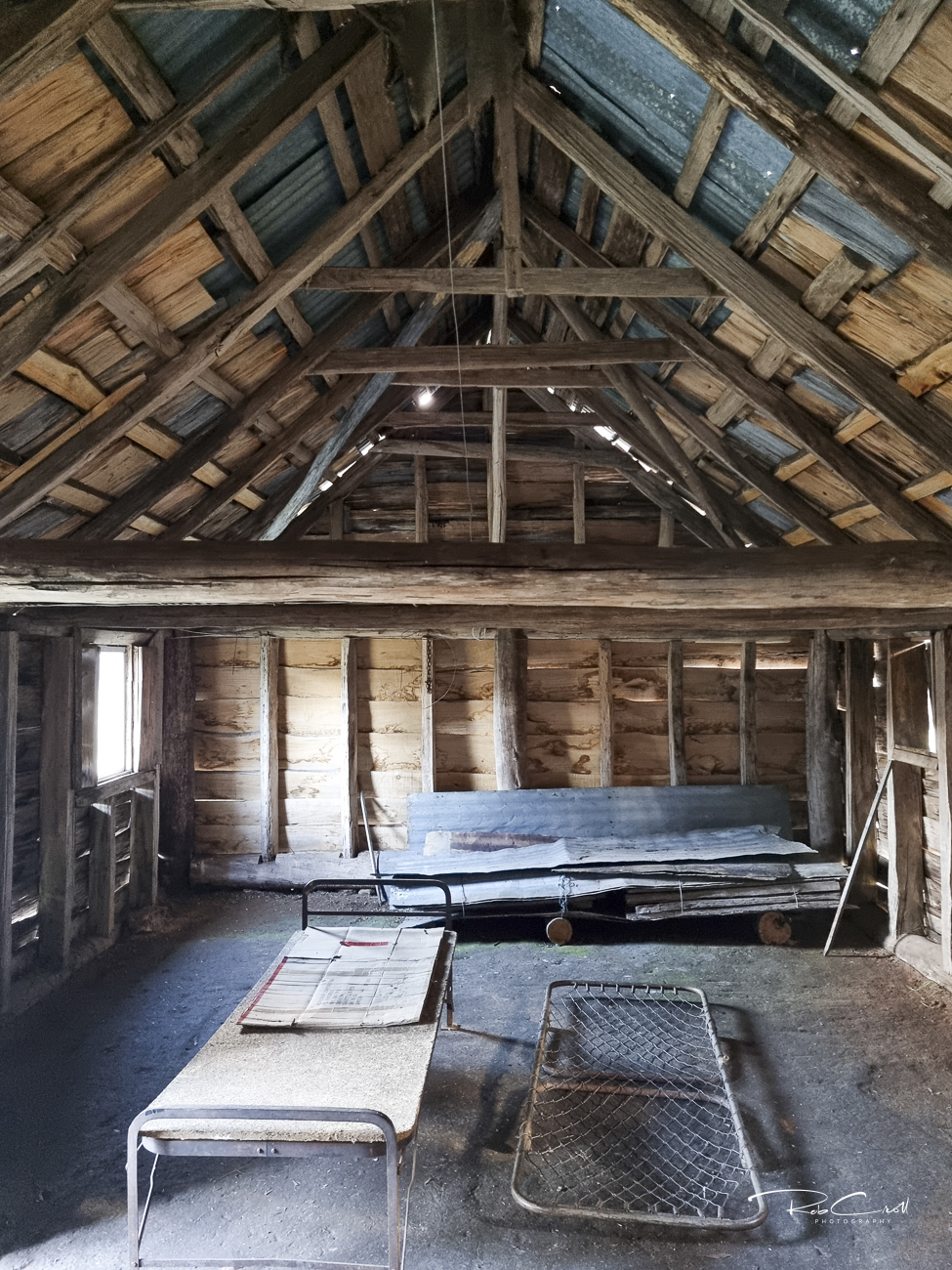
The Barn is a large timber structure with solid posts, a complex roof frame, and a mix of shingle and corrugated iron roofing. The shingles are the longest known in the park (~15 mm thick), and the weatherboards are chamfered from 35 mm to 12 mm.
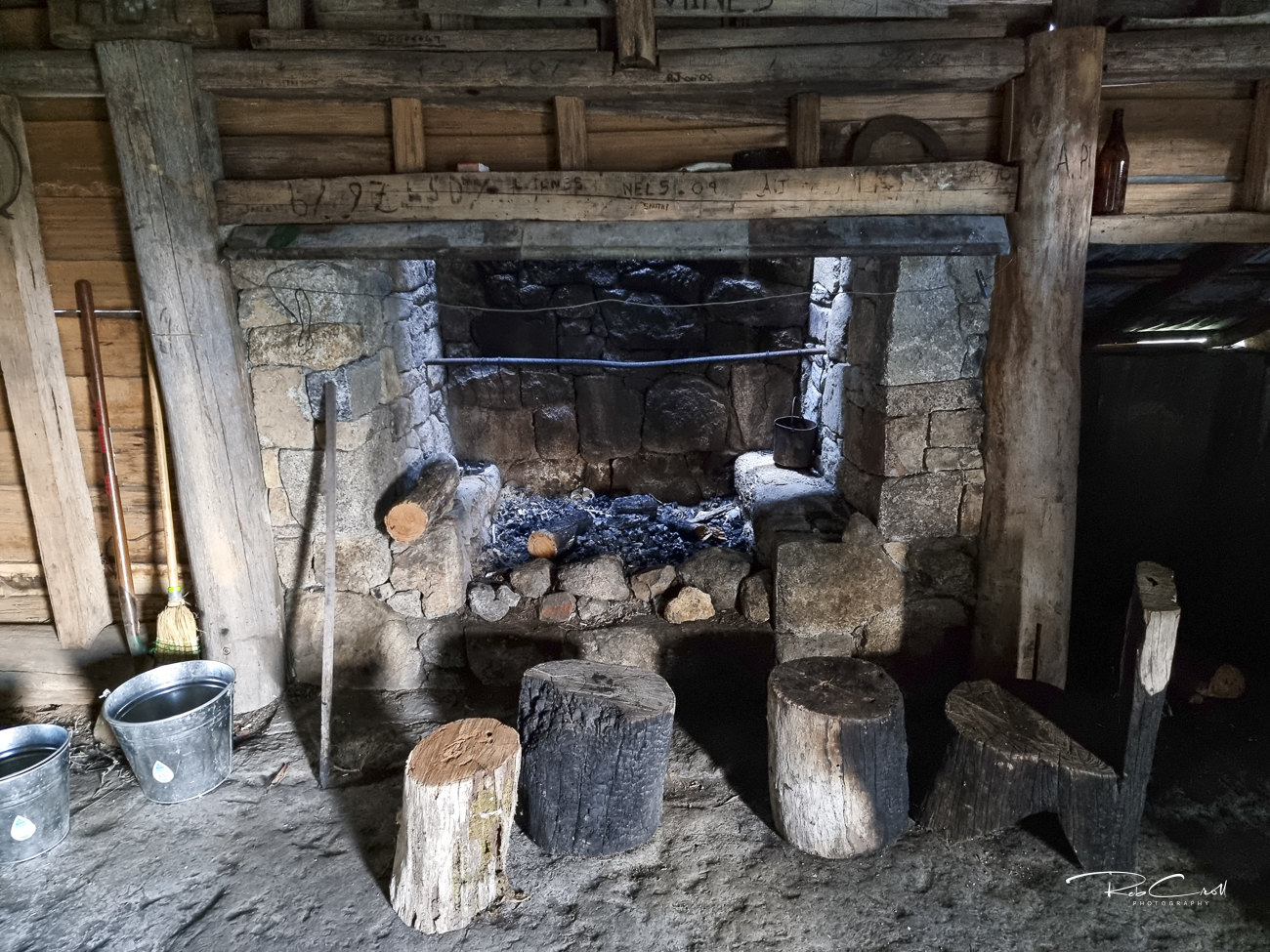
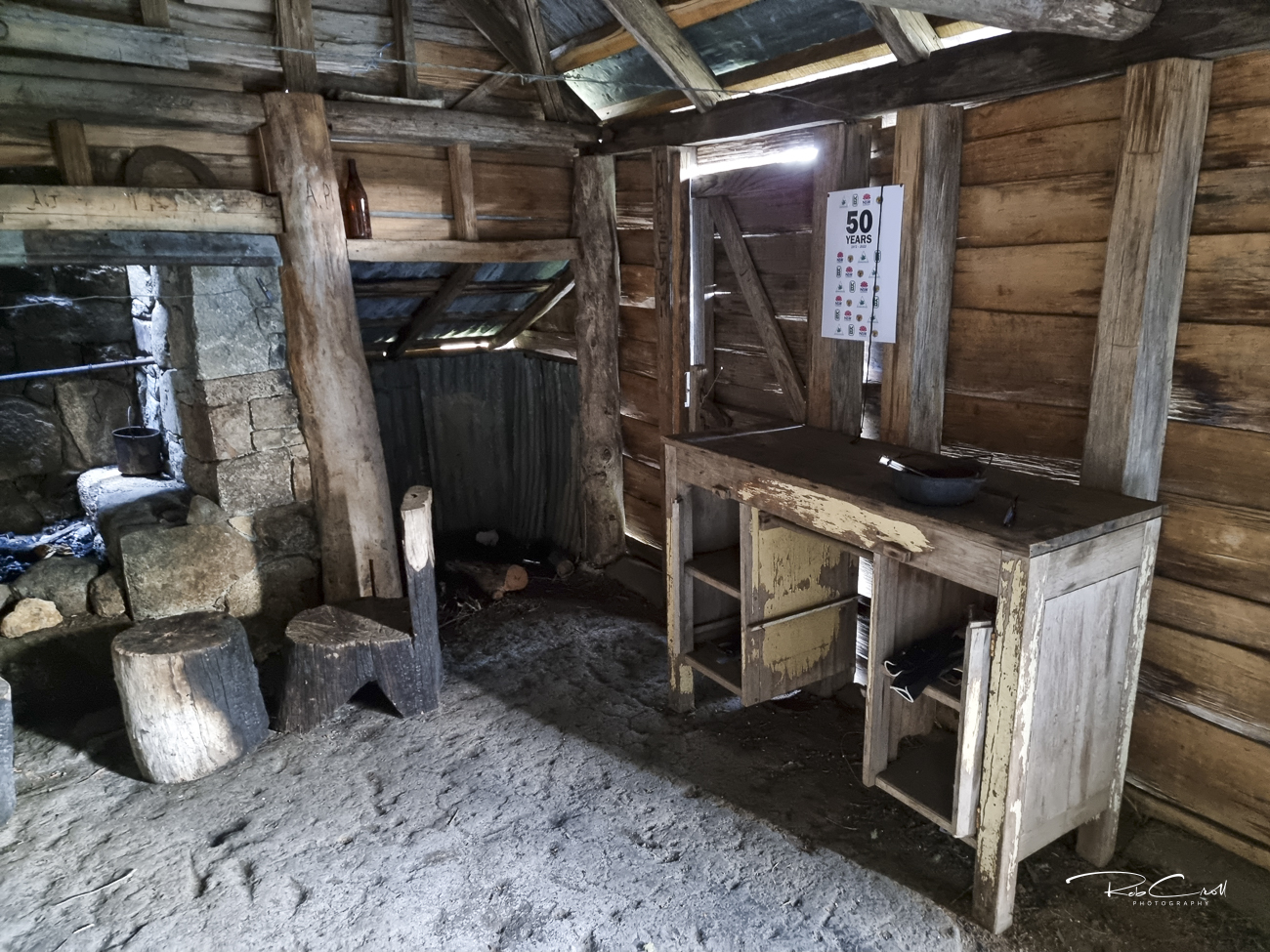
The floor is hard clay, polished smooth over time to resemble timber. Rustic furniture has been added by the Illawarra Alpine Club, the long-standing caretaker group.
Tin Mines Barn is listed in the KNP Plan of Management Schedule L.32 and L.119 and holds KHA reference number 117376. A conservation brief and history notes exist. The site is actively monitored and maintained by the Illawarra Alpine Club.
Stewardship is shared between NPWS and the Illawarra Alpine Club. Interpretive signage is recommended to highlight its mining origins, adaptive reuse, and architectural features. The Barn is often paired with Charlie Carters Hut, located adjacent to the site.