Photos
Created by Copilot AI and may not be accurate. Awaiting review
| Built | 1873 by Tom O’Rourke |
| Condition | ★★★★☆ (restored; historically intact) |
| Location | NW end of Currangorambla Plain, near Mosquito Creek Fire Trail |
| Alternate Names | Currangorambla |
| 1834 | Tom O’Rourke begins grazing on Currangorambla Plain |
| 1873 | Primary homestead constructed |
| 1880s | Kitchen, bedroom, and fireplace added |
| 1900 | Storeroom added by Fischer |
| 1981–86 | Army removes decaying storeroom; restoration begins |
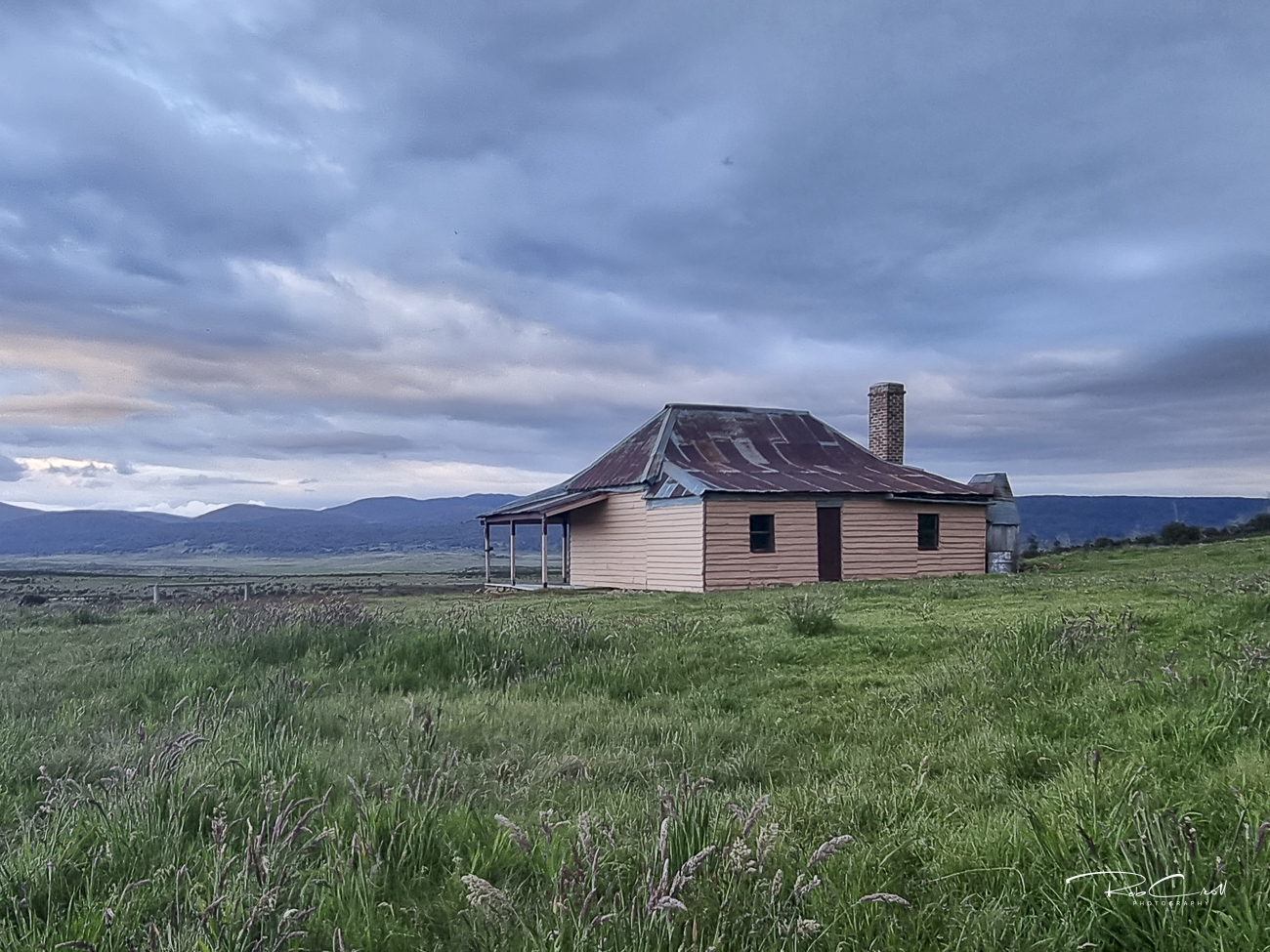
Old Currango Homestead is the oldest surviving building in Kosciuszko National Park, built in 1873 by Tom O’Rourke after decades of grazing on the Currangorambla Plain. It replaced an earlier slab and bark hut and became the nucleus of alpine pastoral life in the region.
The homestead was expanded in the 1880s and early 1900s, and later restored by volunteers from the Talbingo Bushwalkers, Land Rover Club, and KHA. It remains a rare example of permanent settlement above the snowline and is listed on the National Estate.
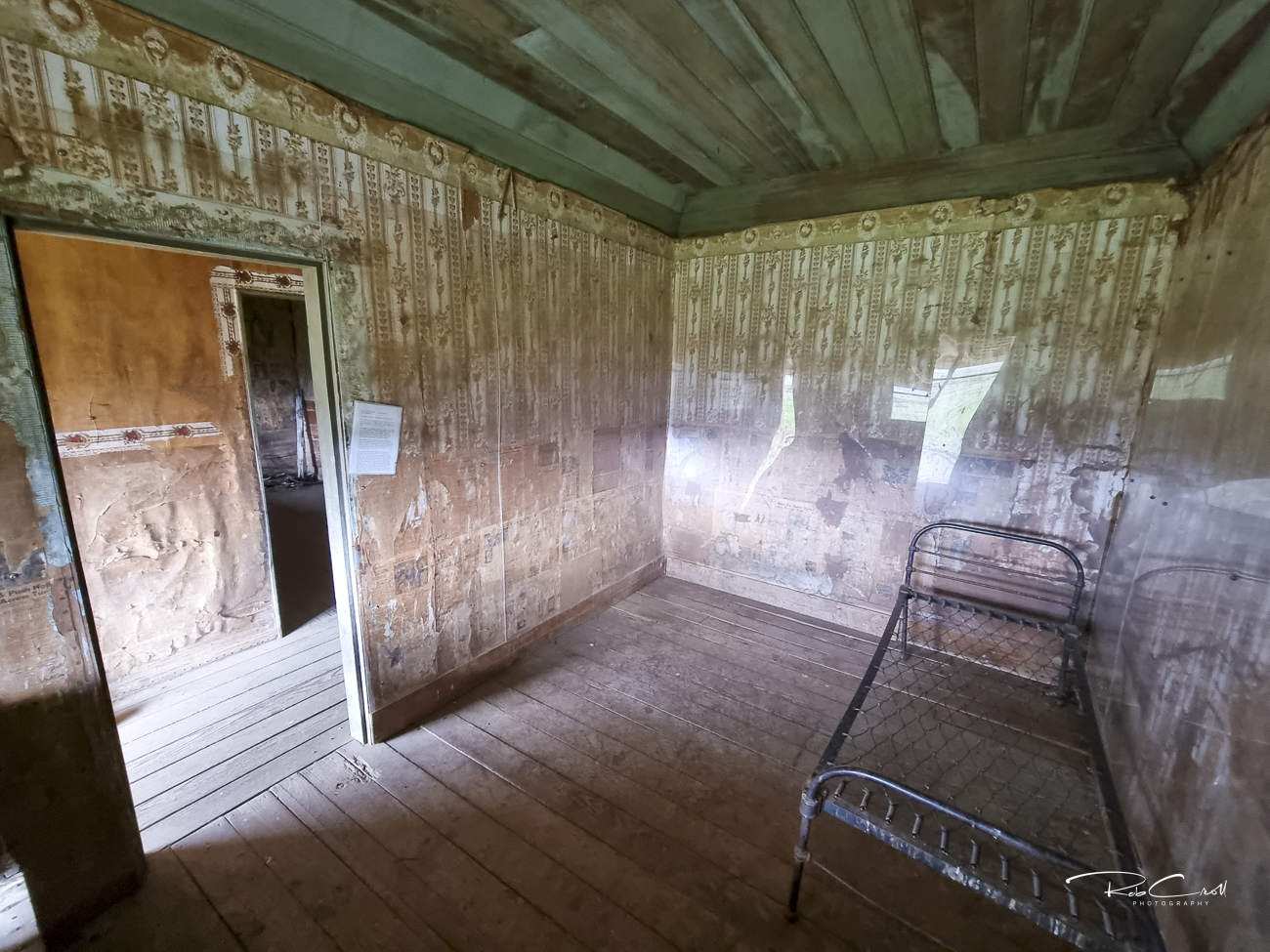
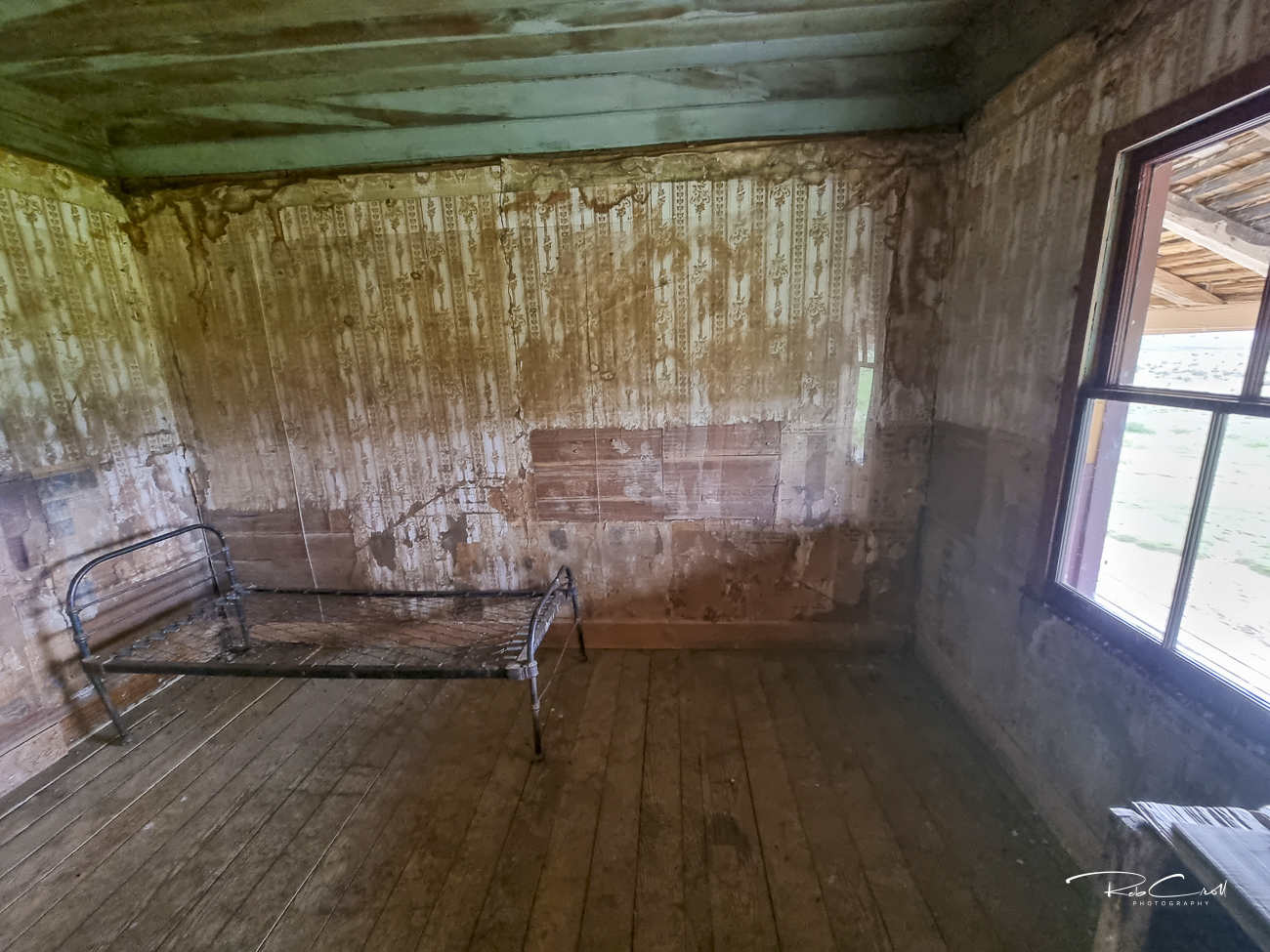
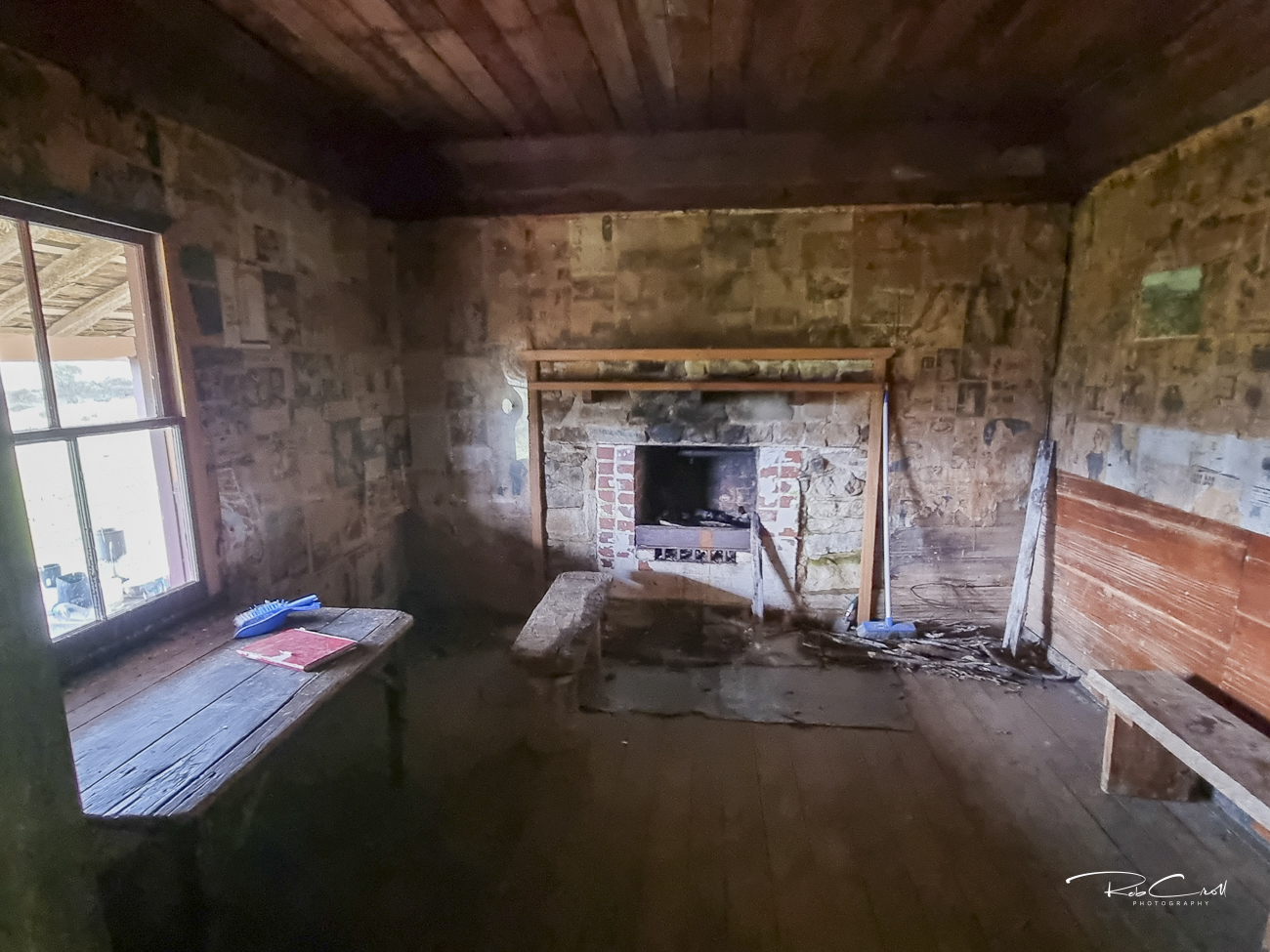
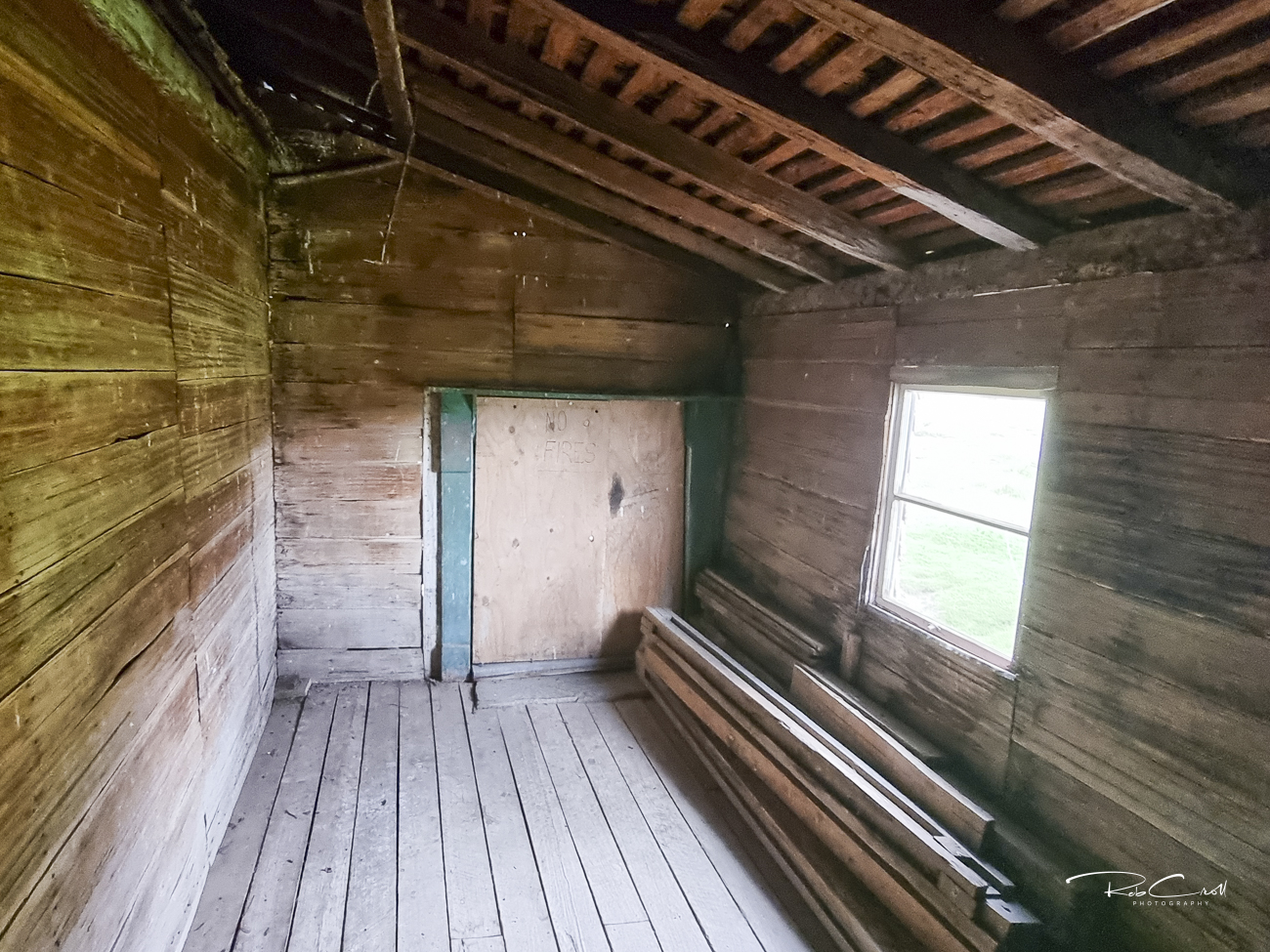
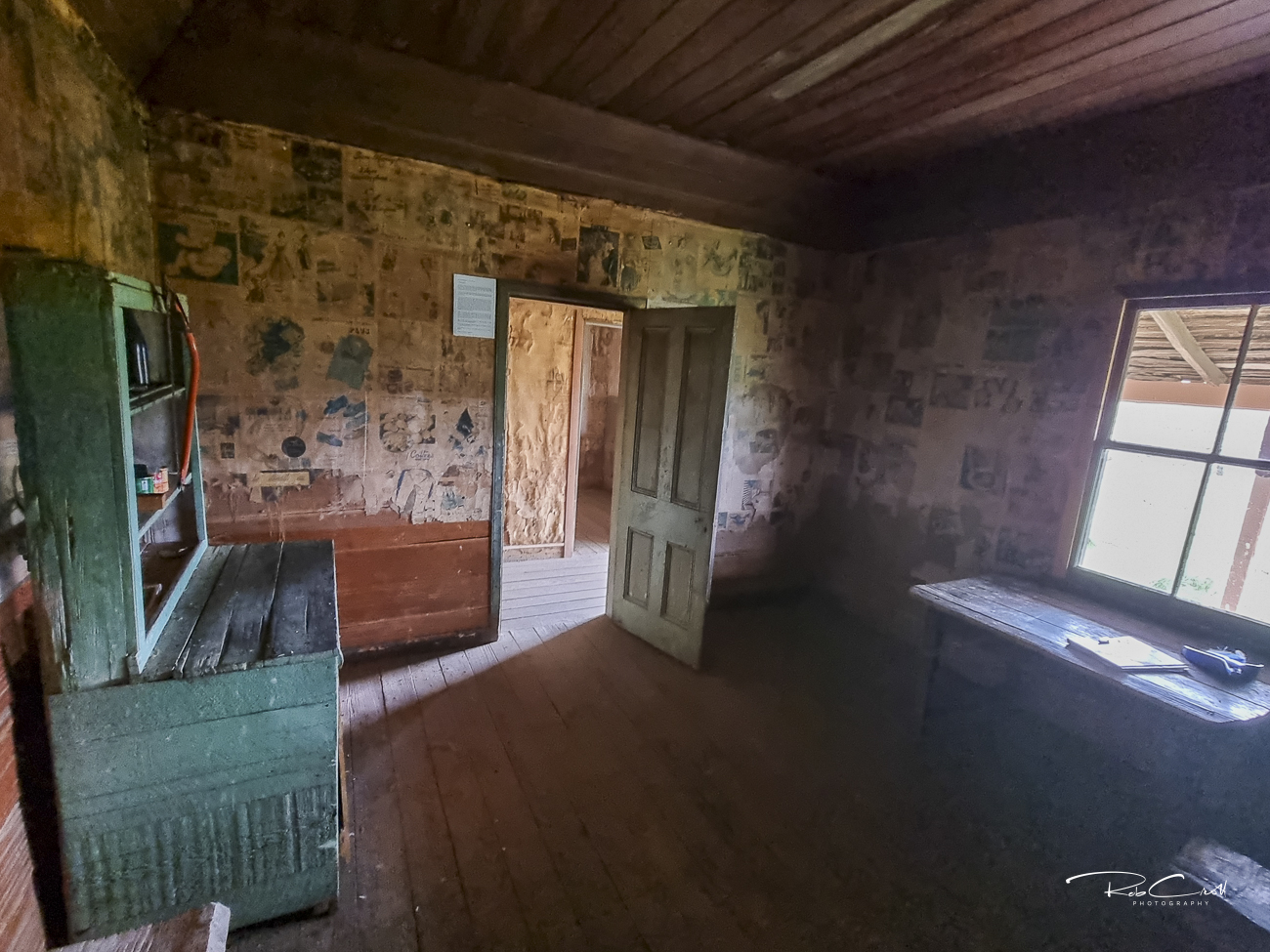
The building measures 10m × 7.5m and includes four rooms (living, kitchen, office, bedroom) and a hallway. It is constructed entirely of hand-split mountain ash, with coffered ceilings in the living room and bedroom made of milled Baltic pine.
The roof is split shingle covered by corrugated iron. There are mud-mortared stone fireplaces, original sash windows, and a wide verandah facing east and north. Interior walls were originally lined with hessian and wallpaper.
Old Currango Homestead is listed in the KNP Plan of Management Schedule L.10 and holds KHA reference number 1201. A full conservation study exists. Restoration began in 1986 and was guided by Burra Charter principles. The site is accessible via Mosquito Creek Fire Trail or by walking from Currango Homestead.
Stewardship is shared between NPWS and Friends of Currango. The homestead is maintained as a heritage site and interpretive waypoint. Interpretive signage is recommended to highlight its architectural features, grazing legacy, and restoration history.