Photos
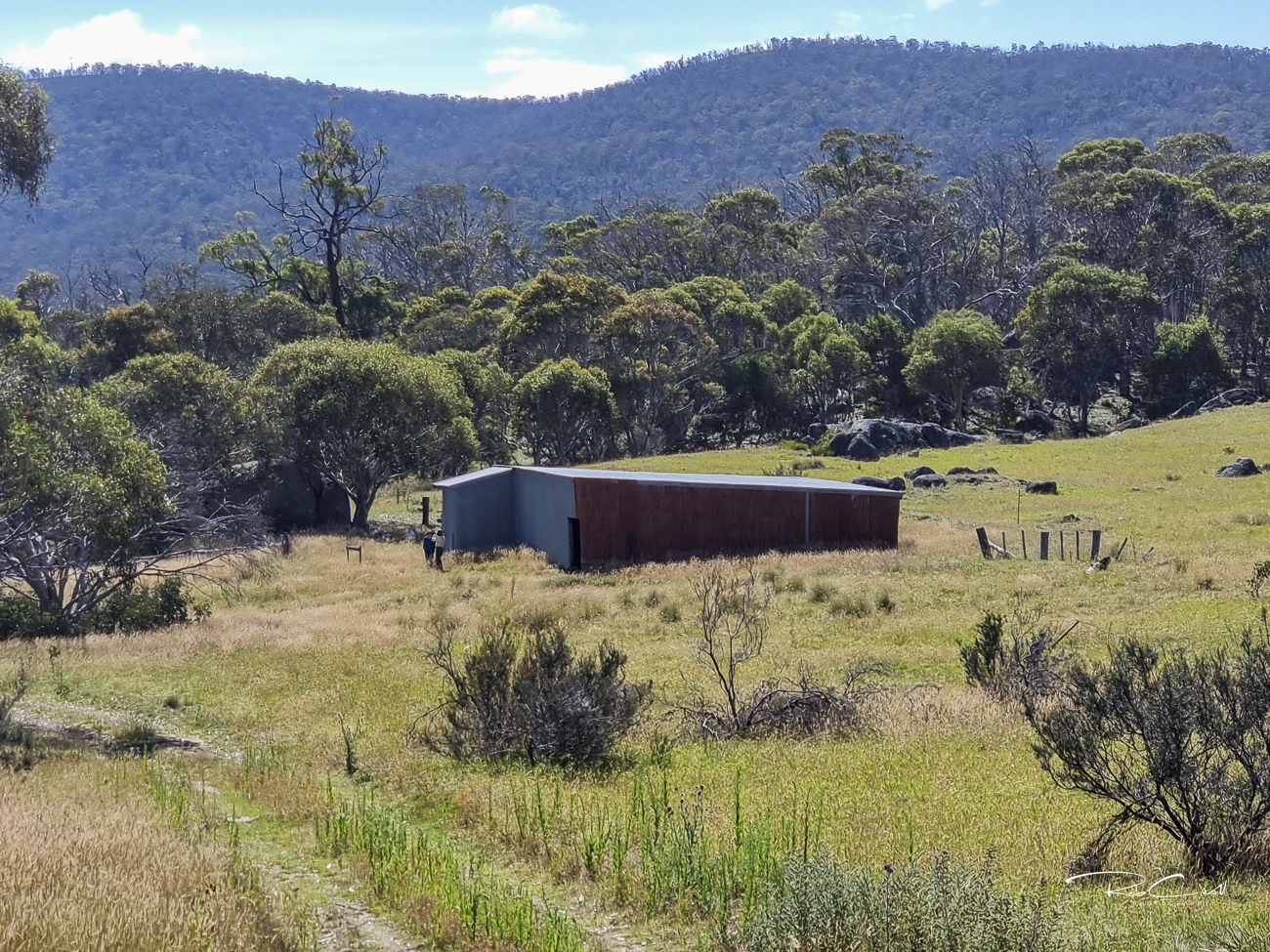
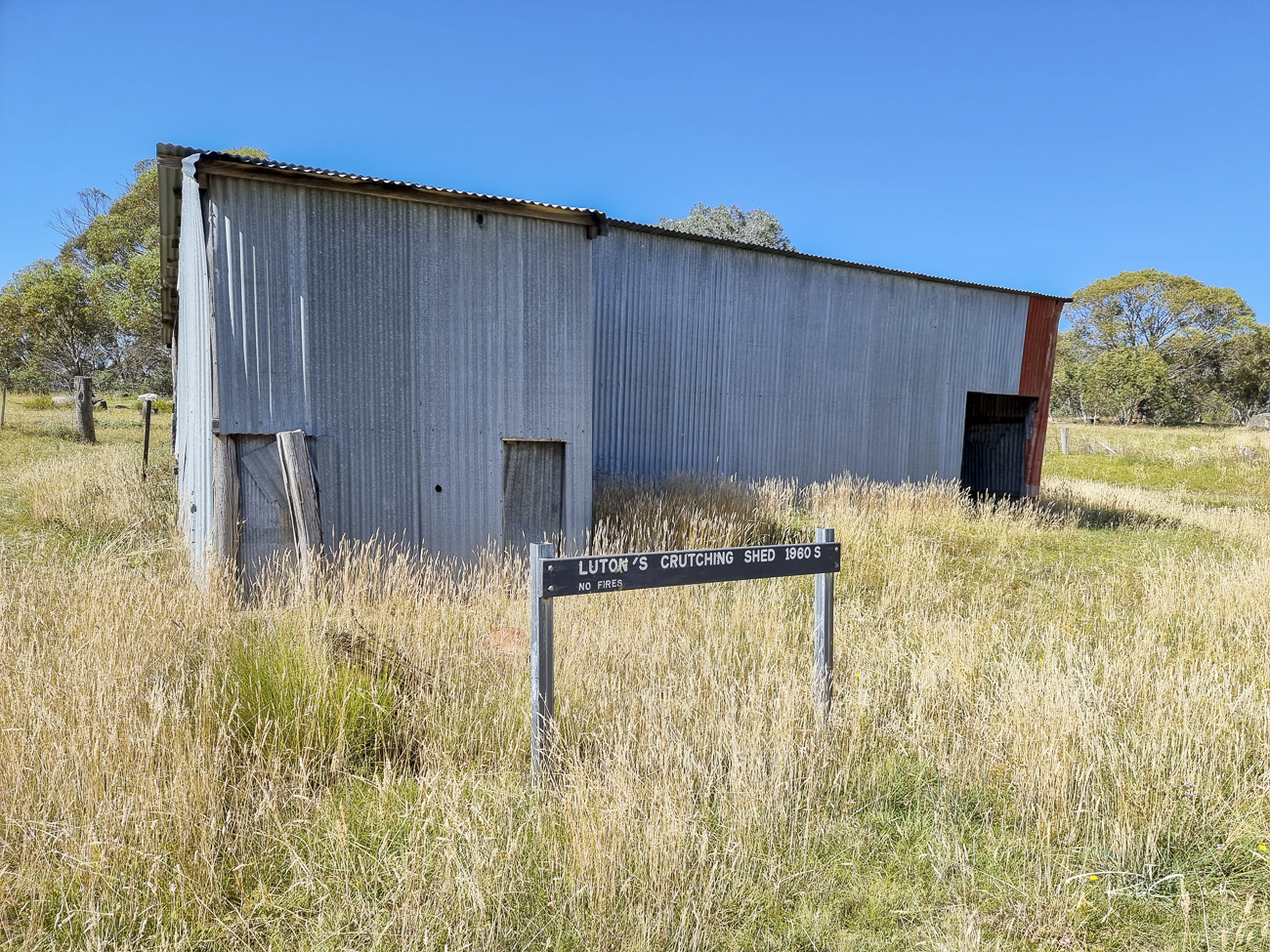
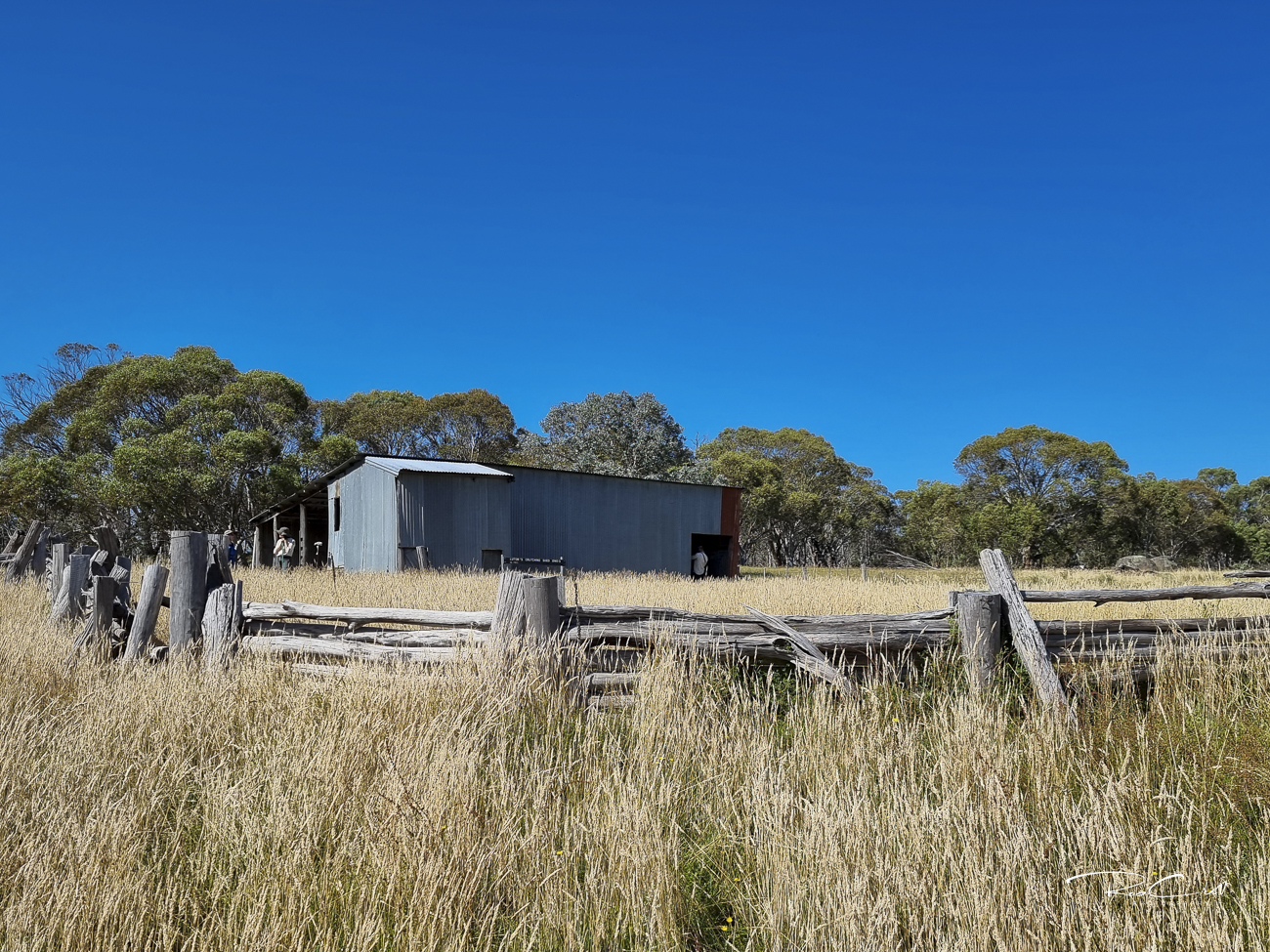
Created by Copilot AI and may not be accurate. Awaiting review
| Built | 1960s by Alan Robinson, Noel & Herb Dybal |
| Condition | ★★★☆☆ (intact; remote and rustic) |
| Location | Namadgi National Park, near Naas Creek under Sentry Box Mountain |
| Alternate Names | Lutons Hut |
| 1952 | Morris Luton purchases Boboyan Station from Dick Brayshaw |
| 1960s | Shed constructed for sheep crutching by Noel and Greg Luton |
| 1979 | Property resumed for Gudgenby Nature Reserve |
| 1984 | Alterations made for proposed ranger base; crutching board enclosed |
Lutons Crutching Shed was built in the 1960s by Alan Robinson, Noel Dybal, and Herb Dybal for Noel and Greg Luton of “Muzzlebrook” at Shannons Flat. It was used for sheep crutching — the removal of wool and dags from the rear of sheep to prevent flystrike, typically done in March or April.
The Lutons had lived in the region since the 1870s, and Boboyan Station was purchased from Dick Brayshaw in 1952. The shed was later modified in 1984 for ranger use, with a water tank and piping installed (later stolen). Sheep yards were removed to create a horse paddock.
The shed is built of corrugated iron walls and roof, with a timber-framed crutching board and partial timber slat flooring. It includes a stone hearth, basic furnishings, and remnants of sheep yards. The structure is weatherproof and functional, though rustic.
No toilet or water source is currently present. The site is remote and accessible only by foot or horseback.
Lutons Crutching Shed is listed in the KHA Namadgi register as site 1703. It was assessed by the ACT Heritage Council in 2019 but not added to the provisional register. The site is monitored by ACT Parks and supported by KHA volunteers. It remains a valued waypoint for hikers and heritage enthusiasts.
The shed is informally maintained and accessible via Sam’s Creek Fire Trail from Old Boboyan Road. Interpretive signage is recommended to highlight its pastoral origins, crutching practices, and connection to the Luton family. Visitors should be prepared for remote conditions and creek crossings.