Photos
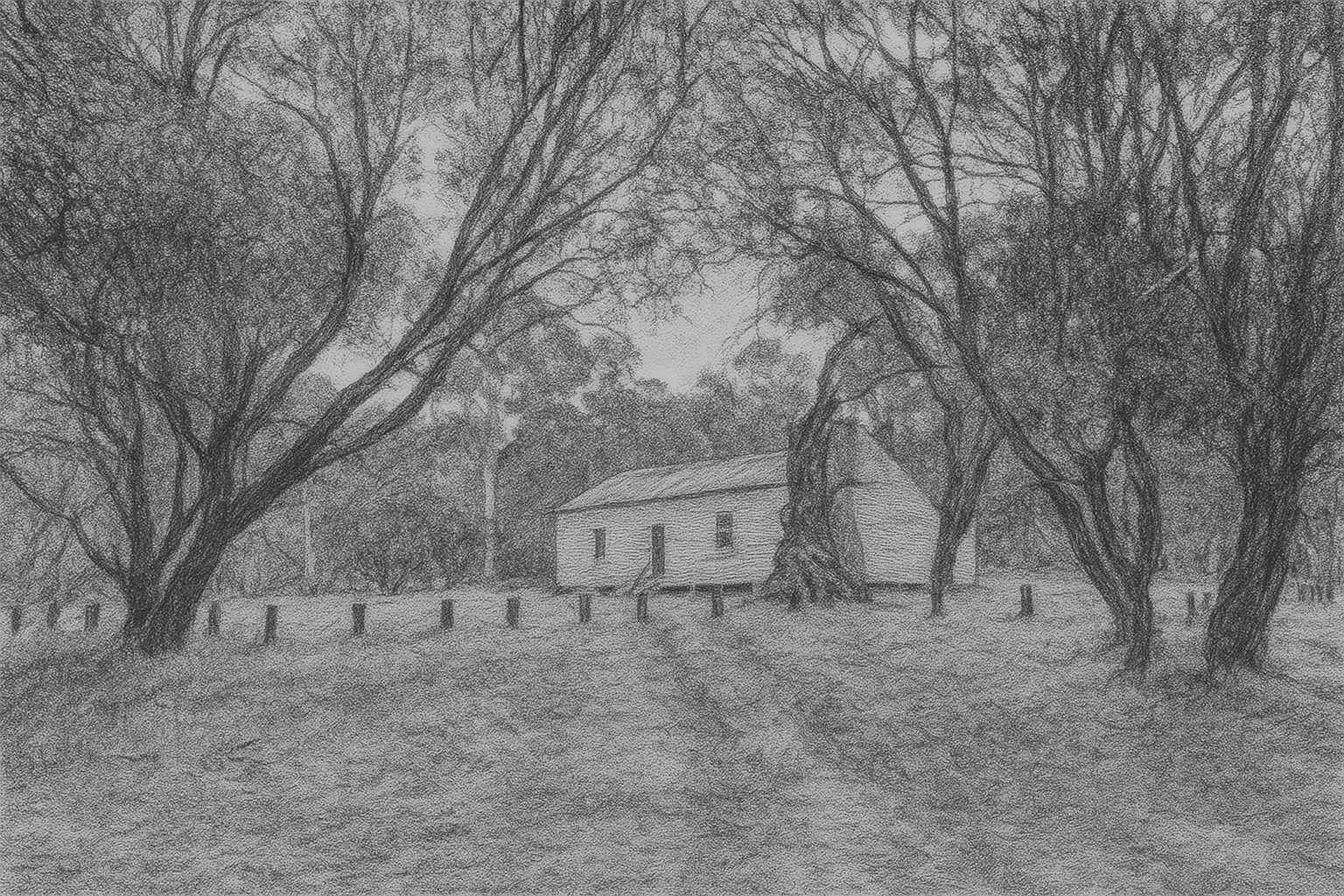
| Built | 1916 by Bobby Joyce for Dr Campbell |
| Condition | ★★★★☆ (restored; excellent condition) |
| Location | Long Plain Road, near Rules Point |
| Alternate Names | Oddys, Ibbotsons, Dr Campbells |
| 1916 | Built by Bobby Joyce for Dr Campbell’s grazing lease |
| 1927 | Original shingle roof covered with iron |
| 1930s–60s | Managed by Bill Oddy, Col Ibbotson, and Alvy Oddy |
| 2002 | Restored by NPWS and KHA after vandalism |
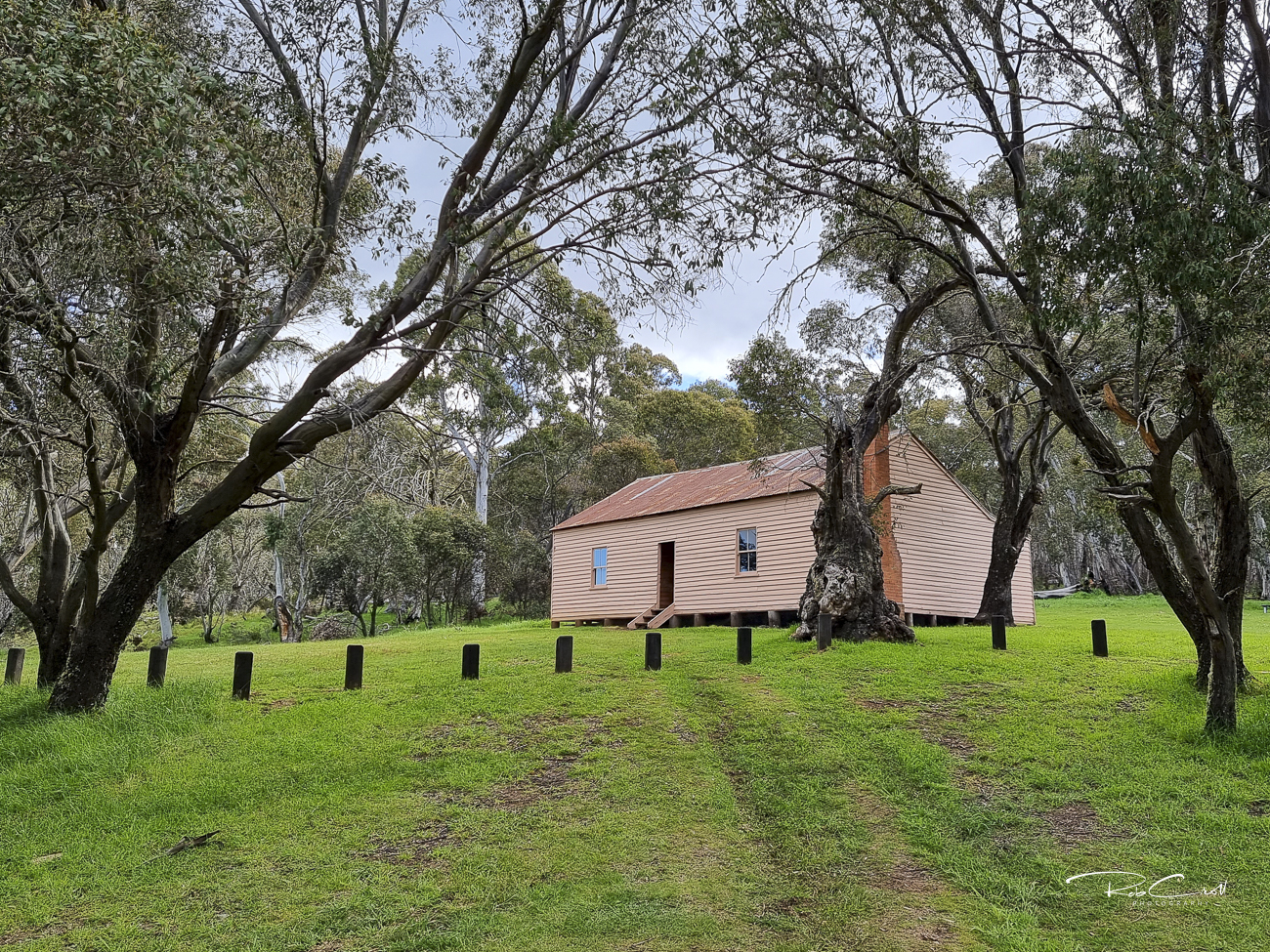
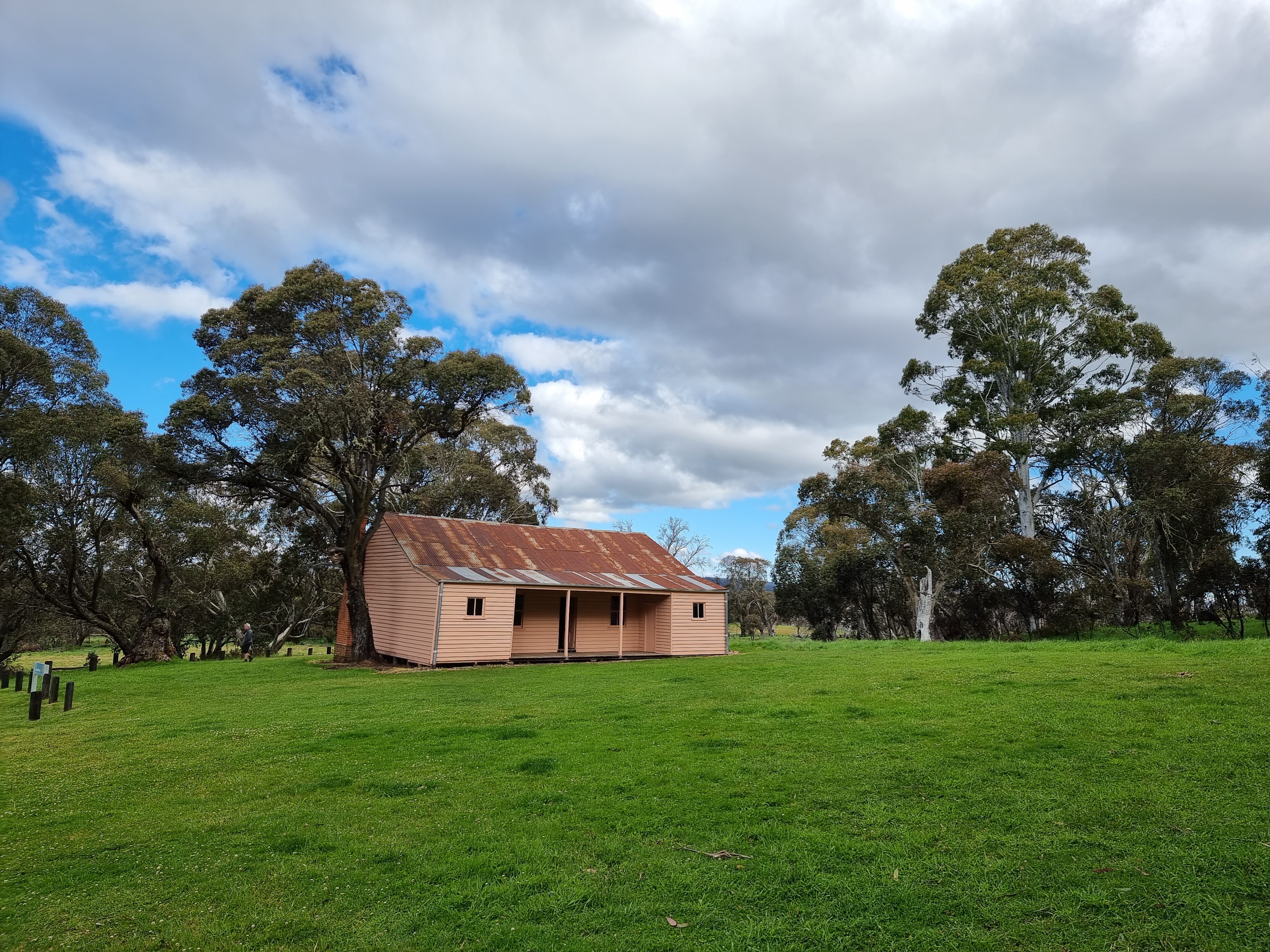
Long Plain Homestead is a substantial and historically rich structure located in Kosciuszko National Park, easily accessible by car via the Snowy Mountains Highway and Rules Point Road. Built in 1916 by Bobby Joyce for Dr Campbell, the homestead supported grazing leases across the expansive frost plains of the region. Over the decades, it was managed by a succession of leaseholders, including Bill Oddy (until the late 1930s), Col Ibbotson (until 1959), and Alvy Oddy, who held the final lease into the late 1960s.
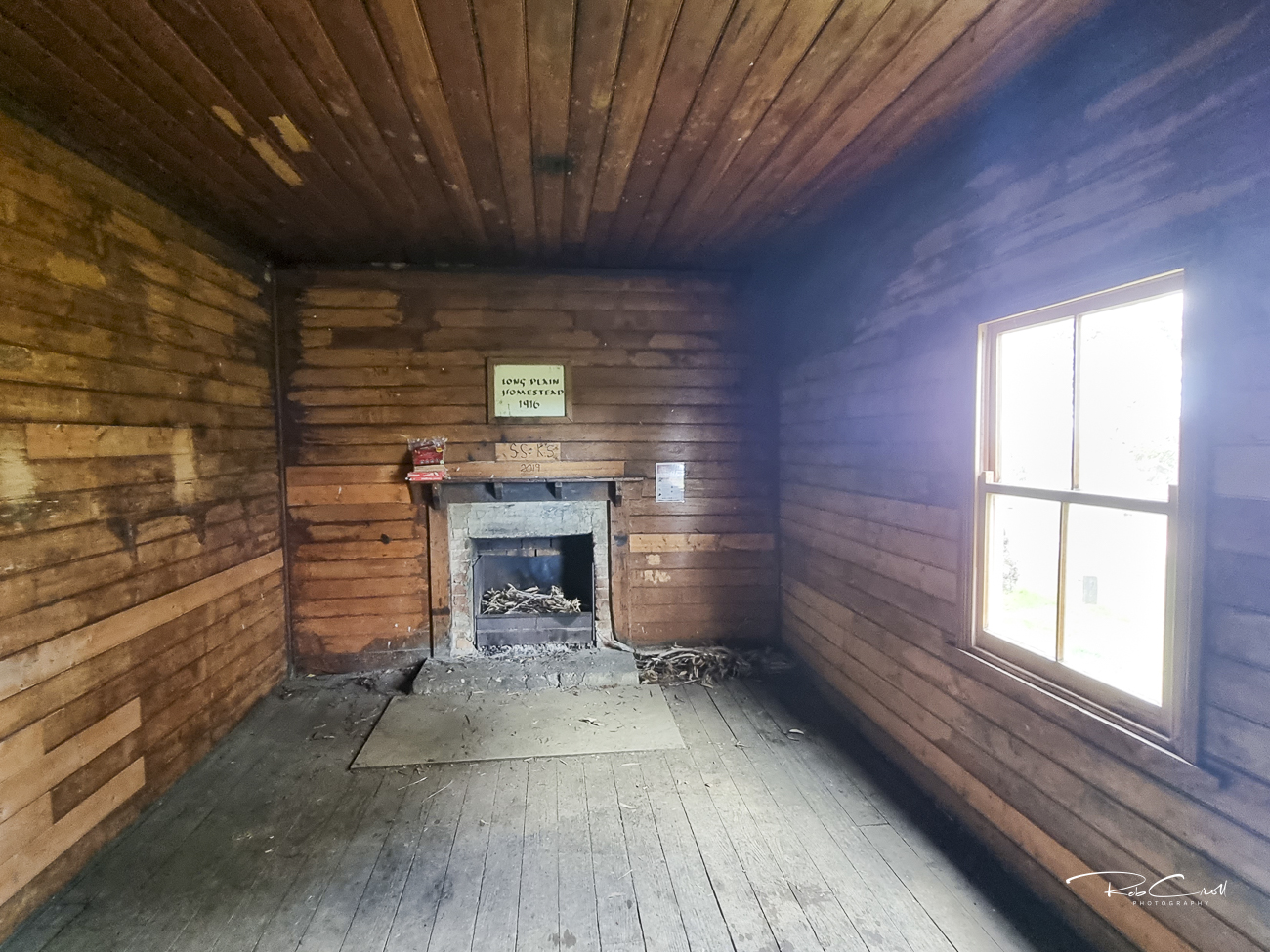
The building measures approximately 7 by 11 metres and includes four main rooms and a verandah. It is constructed from timber, with a wooden floor and mud-mortared rock chimneys fitted with iron flues. Nearby, there is an old privy and a standard NPWS toilet. The site was heavily vandalised in the late 20th century but underwent a full restoration in 2002, including fencing to protect the structure from vehicle damage.
Today, Long Plain Homestead serves as a rest area and is especially popular with the horse riding community, who use a separate campground adjacent to the entrance road.
The homestead measures approximately 11m × 7m and includes four rooms and a verandah. It is constructed of timber with a wooden floor and mud-mortared stone chimneys fitted with iron flues. The roof is corrugated iron, replacing the original shingles.
A privy and NPWS toilet stand nearby. Fencing protects the structure from vehicle access, and a separate horse camping area is located 200m before the entrance.
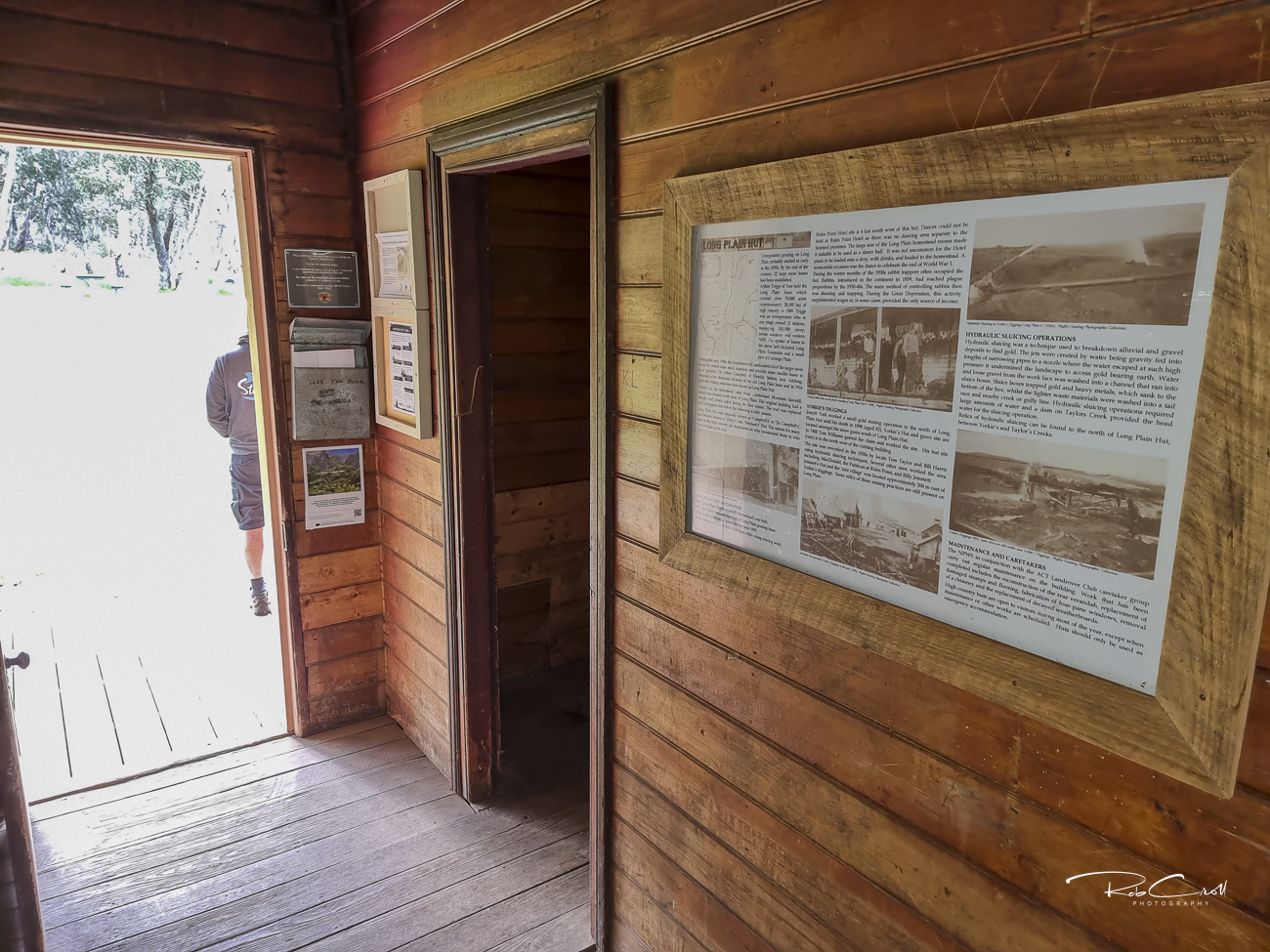
The homestead is maintained by NPWS and supported by KHA volunteers. It serves as a key interpretive site for the grazing history of the northern plains and is frequently visited by horse riders and walkers. Interpretive signage is recommended to highlight its multi-decade management and architectural evolution.