Photos
| Built | 1968 |
| Condition | ★★★☆☆ (reasonable; remote and intact) |
| Location | Near Bill’s Garden, 3km north of Victorian border |
| Alternate Names | Brumby Runners Hut |
| 1968 | Built by Ron Weston and Jimmy Bowrie for brumby running |
| 1993 | Slated for removal by NPWS as unauthorised structure |
| 2003 | Survived major bushfires; internal support damaged |
| Present | Standing; used as remote shelter near AAWT |
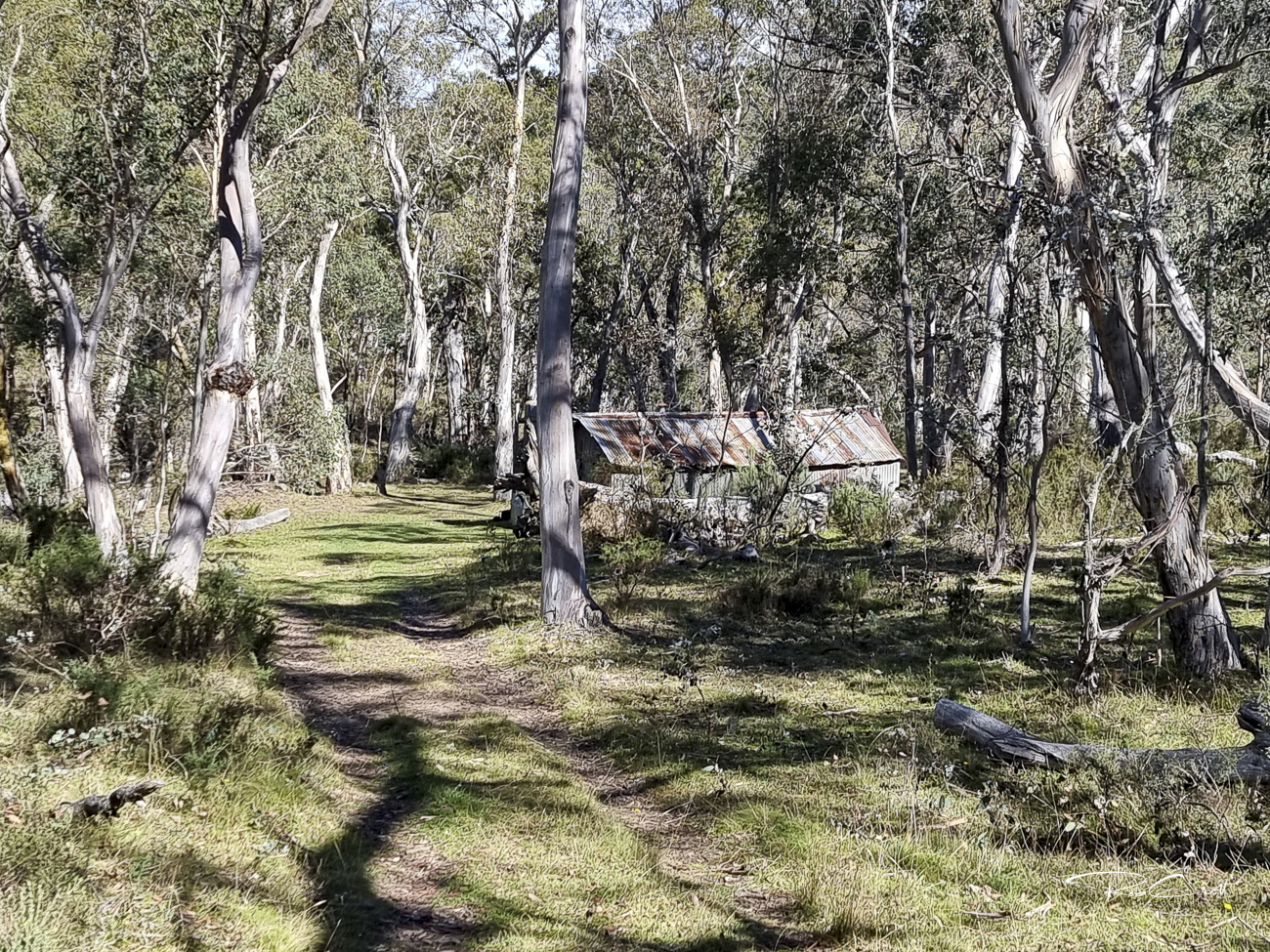
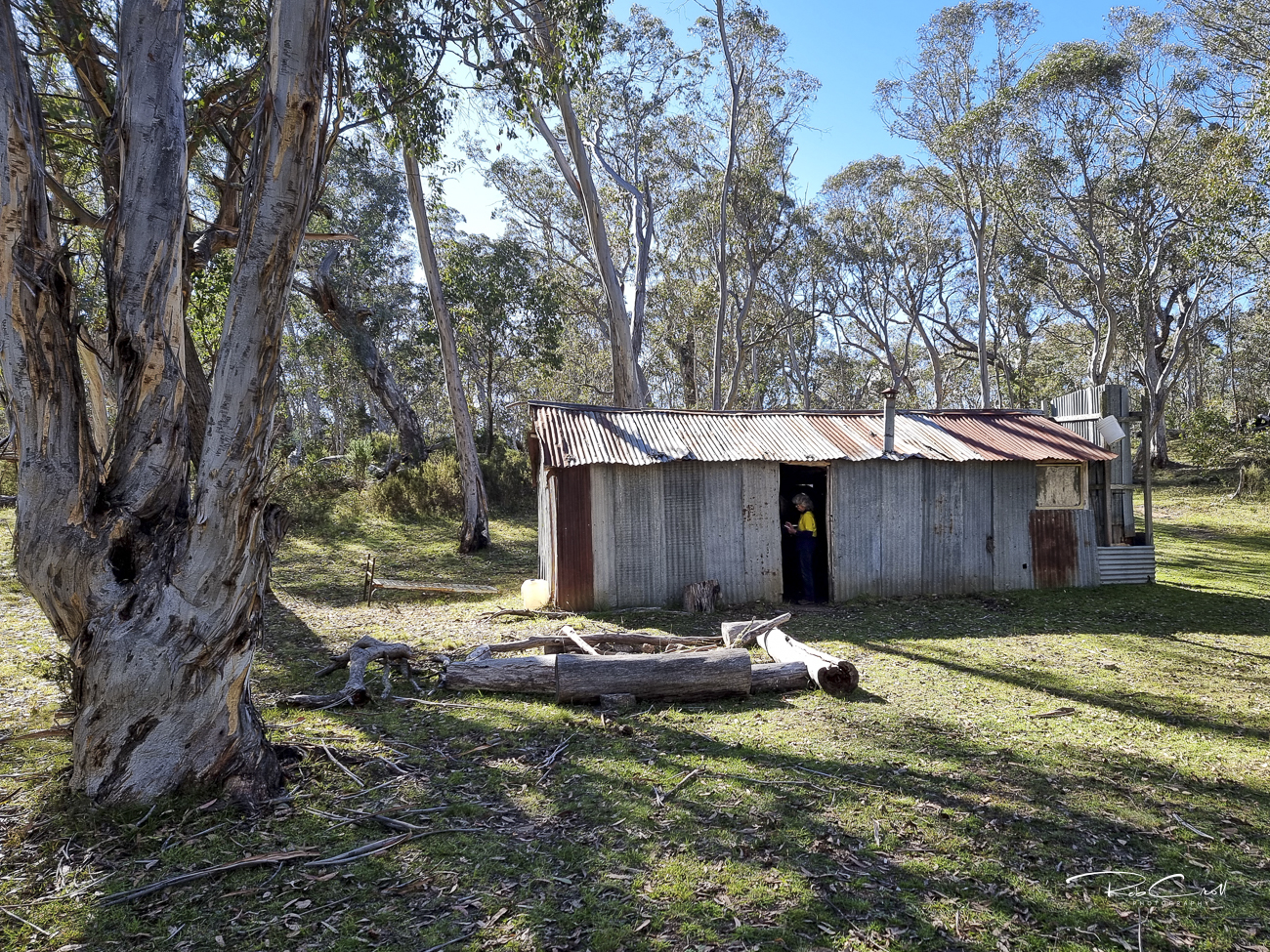
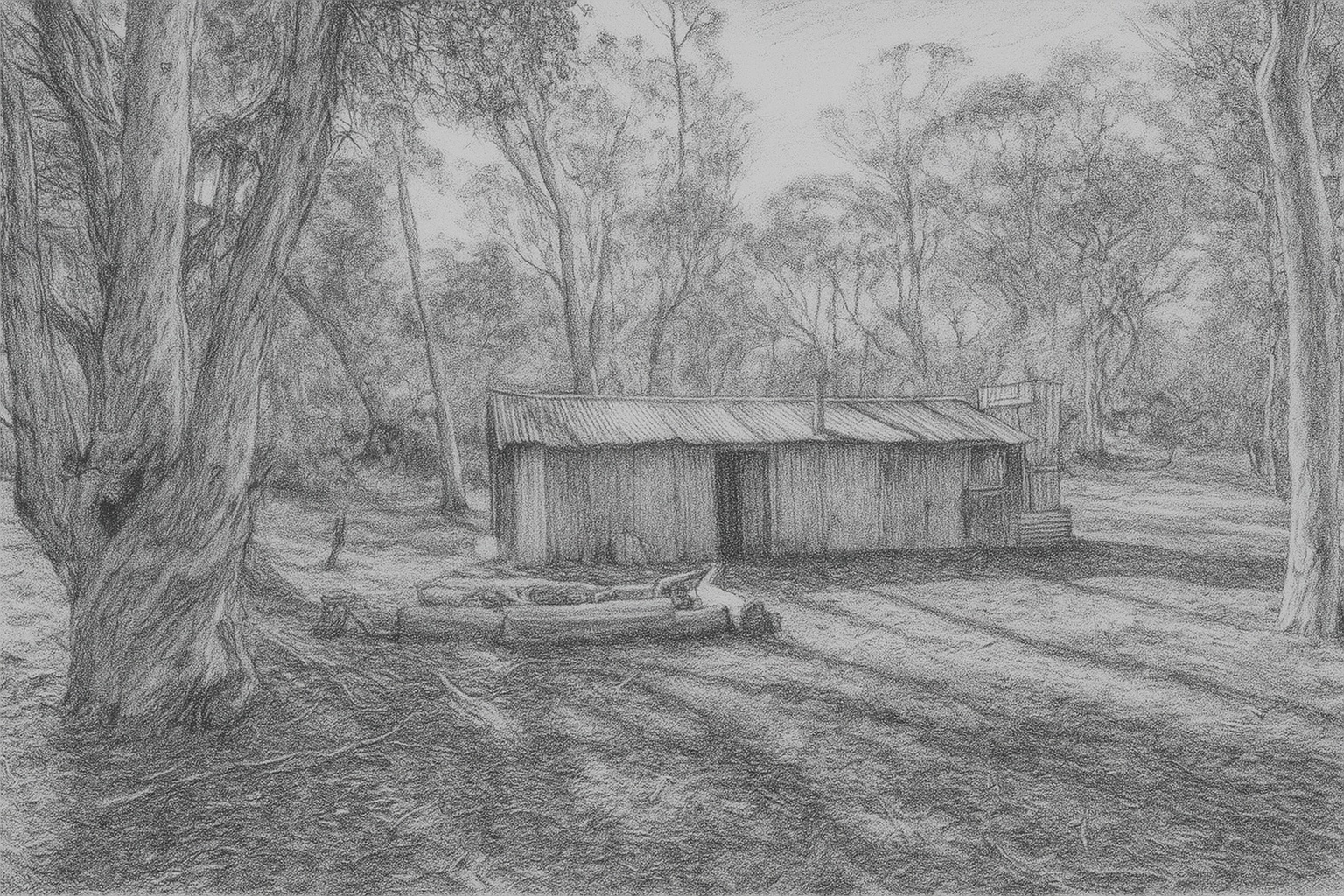
Ingeegoodbee Hut is a remote and rugged shelter located in the deep south of Kosciuszko National Park, about three kilometres north of the Victorian border near a site known as Bill’s Garden. Built in 1968 by Ron Weston and Jimmy Bowrie, the hut was originally constructed for brumby running, a practice that continues in the region even today.
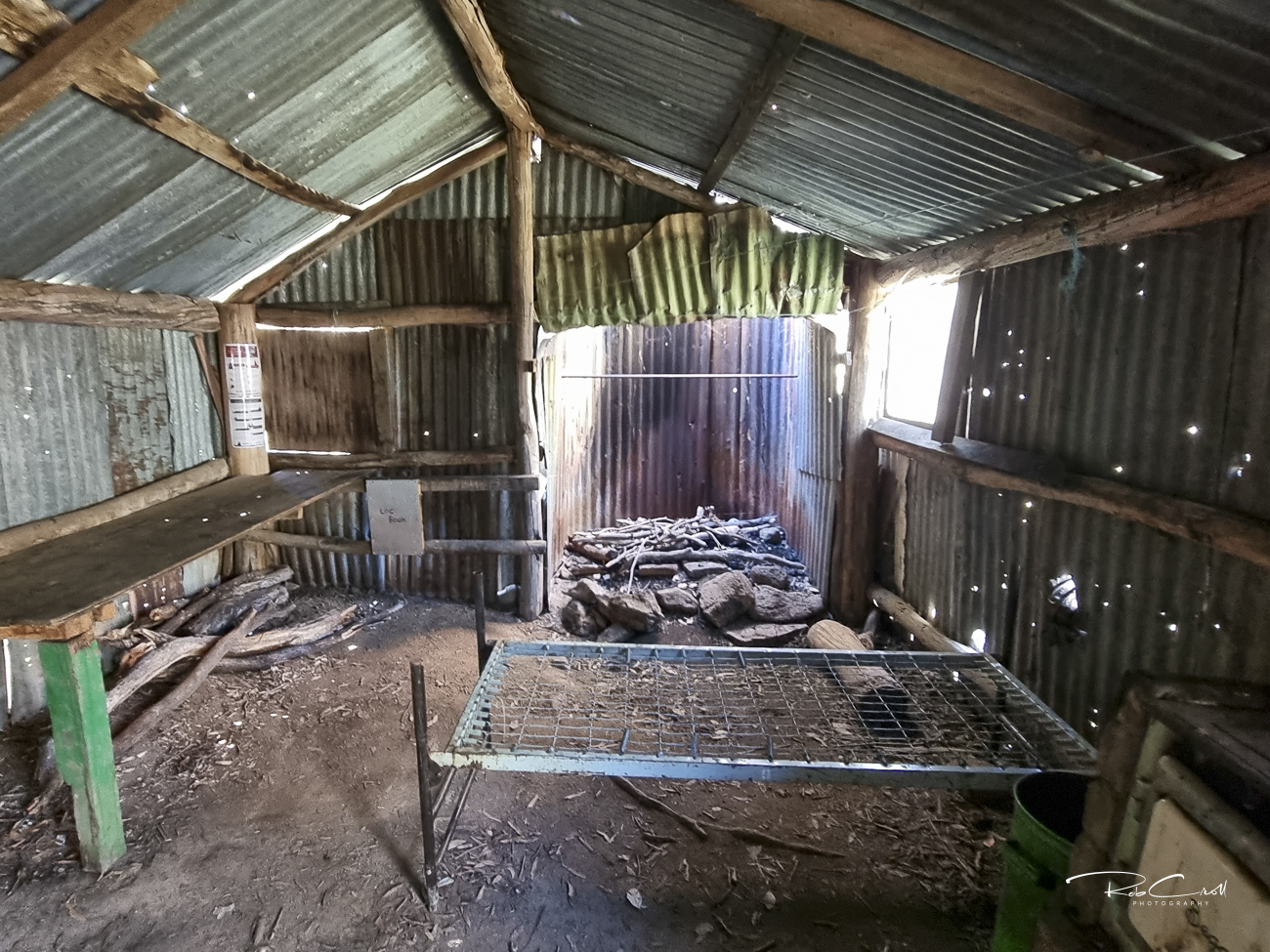
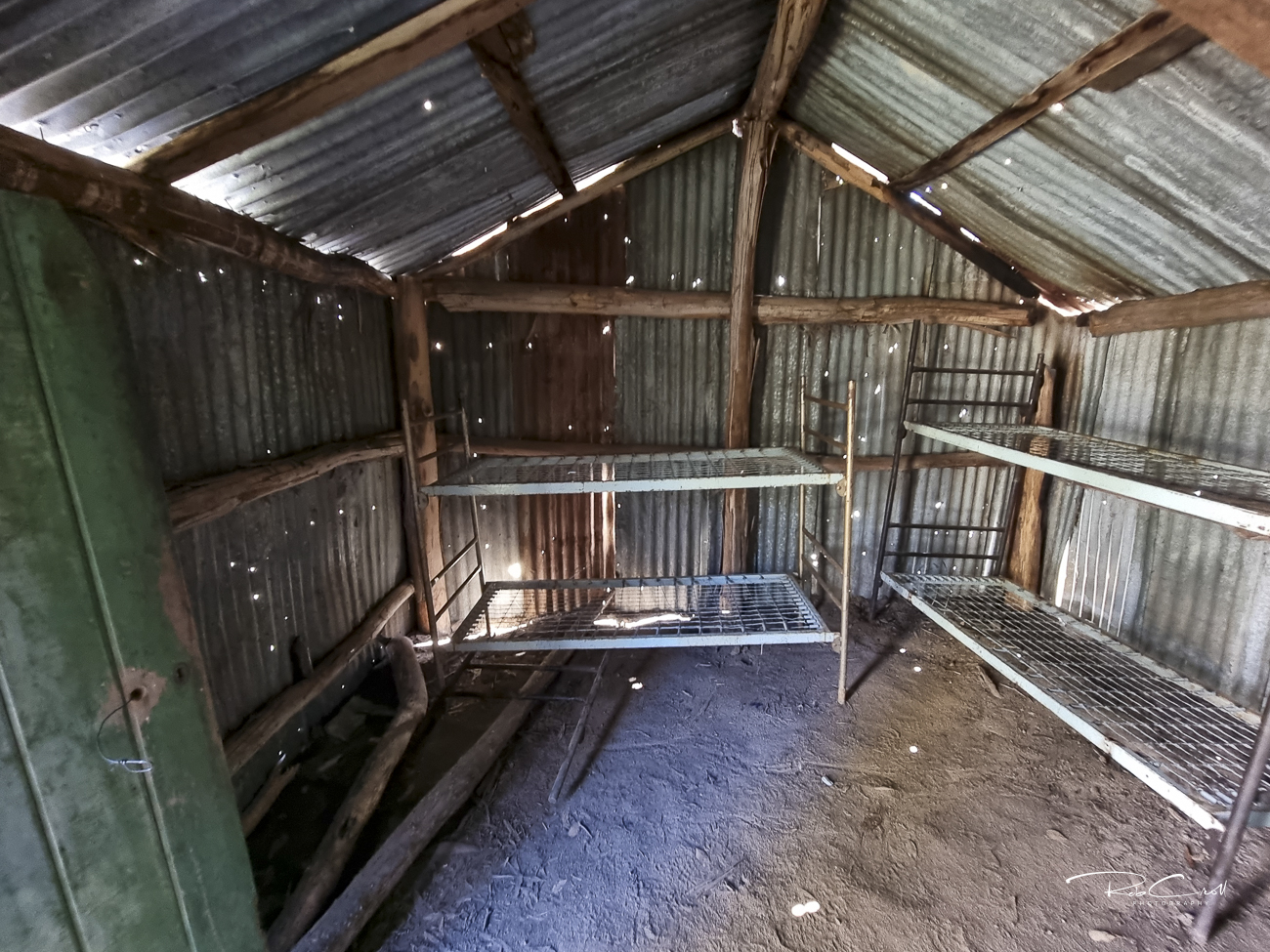
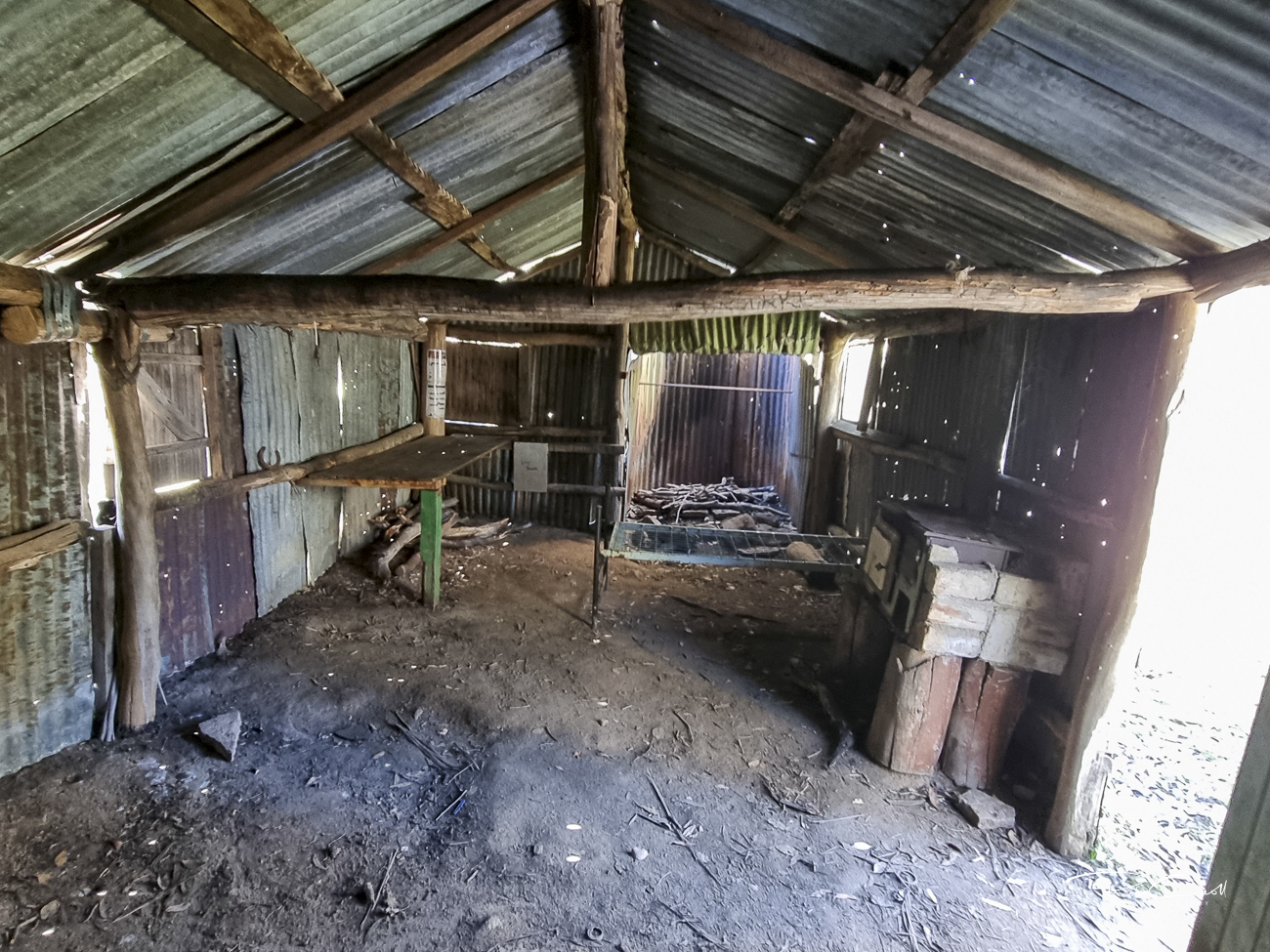
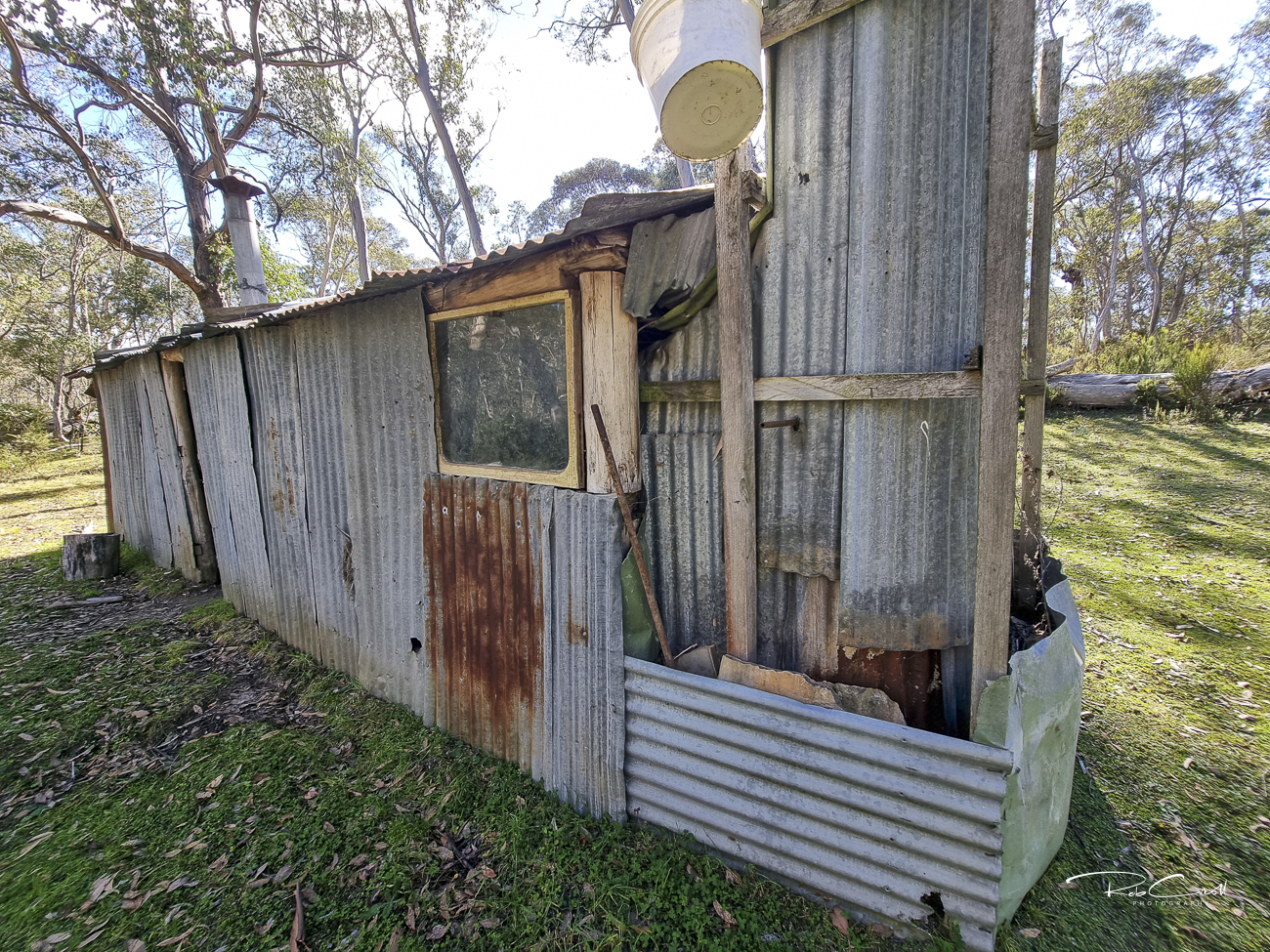
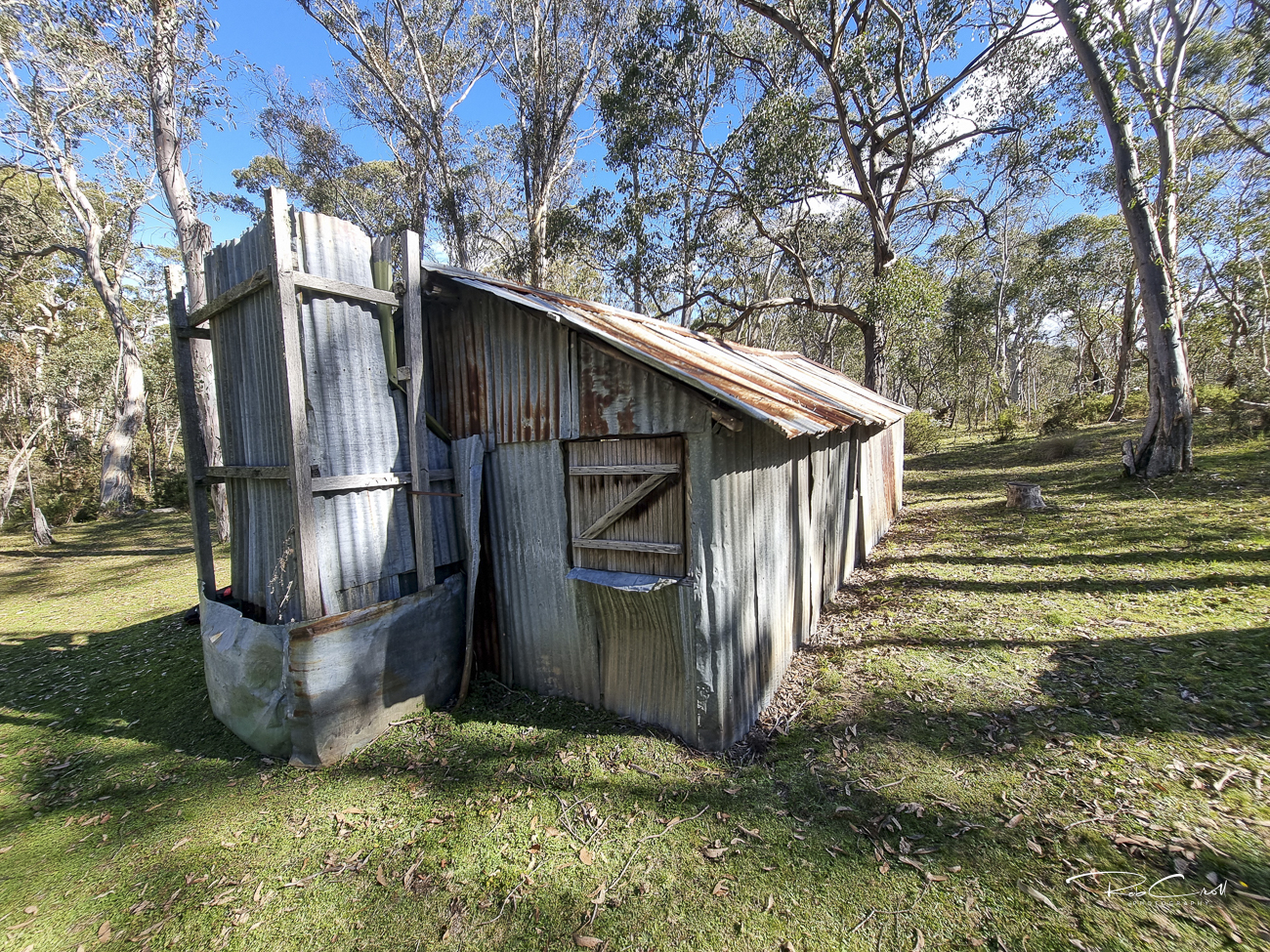
The hut is modest but practical, measuring 9 metres by 4.5 metres, and built from bush timber poles with corrugated iron walls and roof. Inside, it features two beds, a sink, and a wood-burning “Bega” stove. The fireplace has a rock and cement hearth, while the rest of the floor is dirt. There are two windows—one glazed, the other fitted with a drop-down shutter.
Despite being an unauthorised structure, it was never removed by NPWS, likely due to its proximity to the Australian Alps Walking Track and its value as a survival shelter. The hut survived the devastating 2003 bushfires, though one internal support beam was damaged and later propped up temporarily.
Access is challenging: a fit walker can reach the hut via the Nine Mile Pinch Fire Trail in about 3.5 hours. There’s no signage, but the 150-metre track leading to it is clear. Its remote location and understated presence make it one of the lesser-known but quietly enduring huts in the park’s southern wilderness.
The hut measures approximately 9m × 4.5m and is built of bush timber poles with corrugated iron walls and roof. It features a rock and cement hearth, a dirt floor, and two windows — one glazed, the other with a drop-down shutter.
Interior fittings include two beds, a sink, and a wood-burning Bega stove. A temporary prop supports a damaged internal beam.
The hut has no formal caretakers. Informal stewardship by walkers and KHA volunteers has helped preserve its structure. Interpretive signage is recommended to highlight its brumby-running origins and remote wilderness context.