Photos
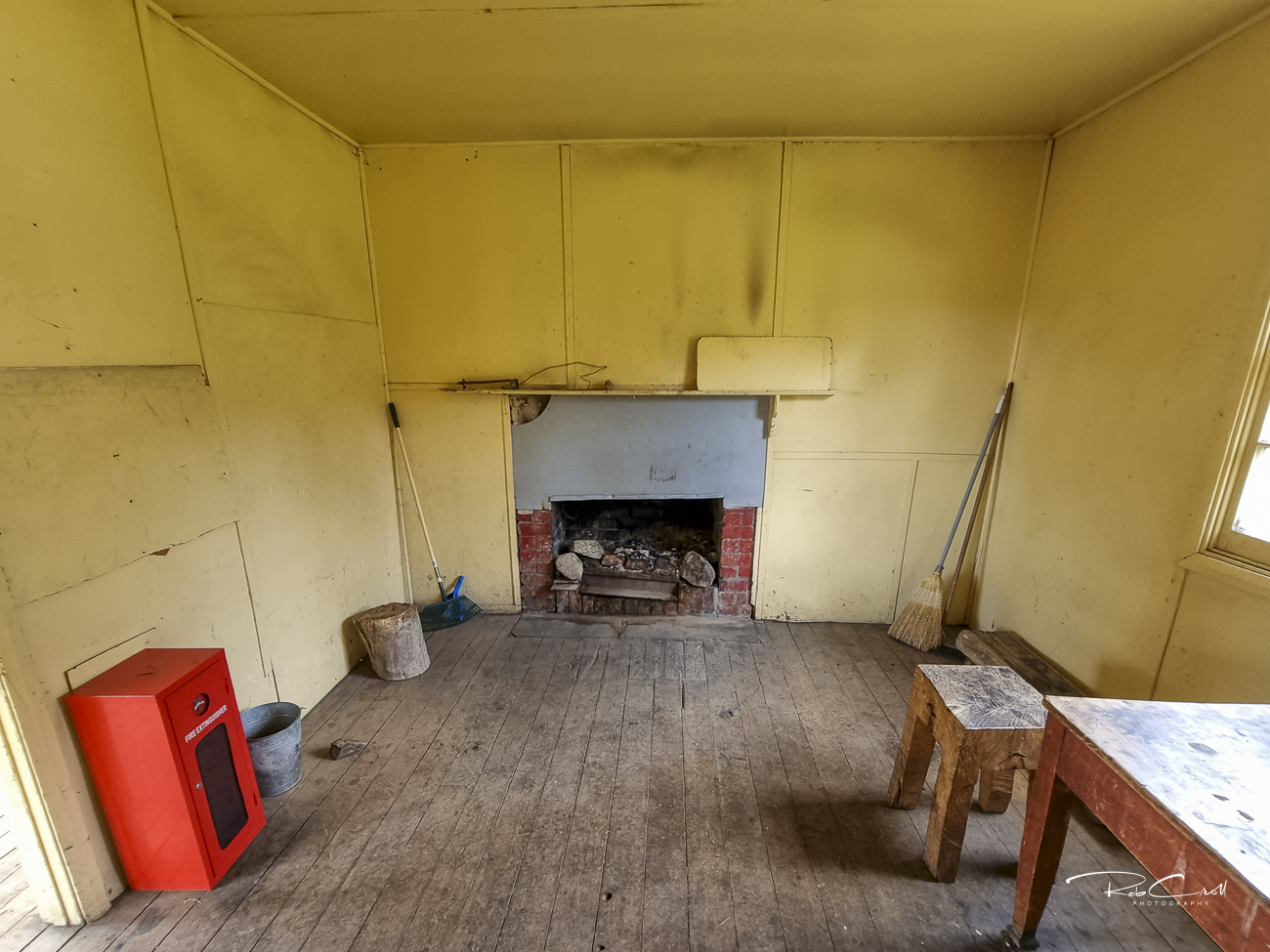
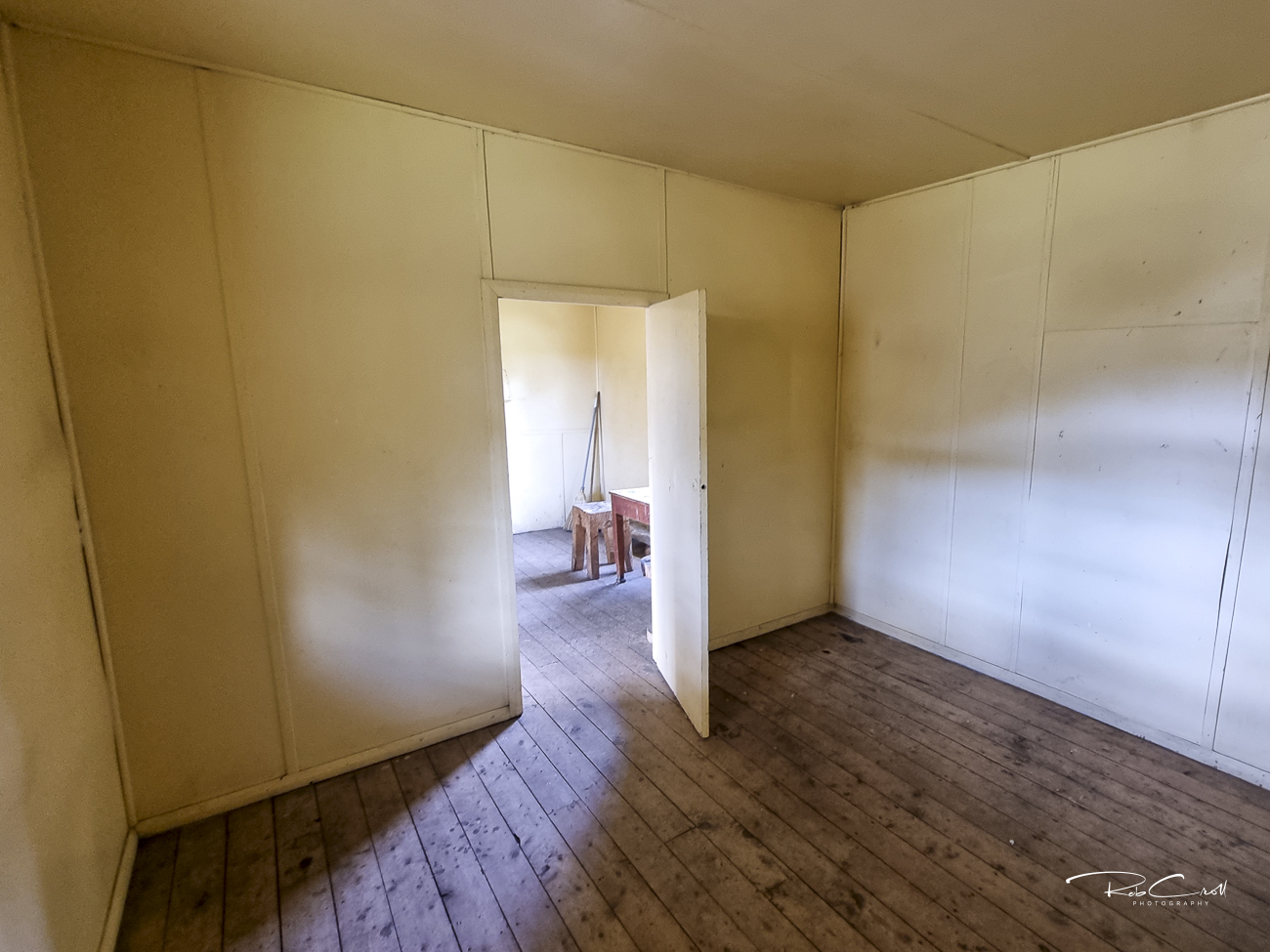
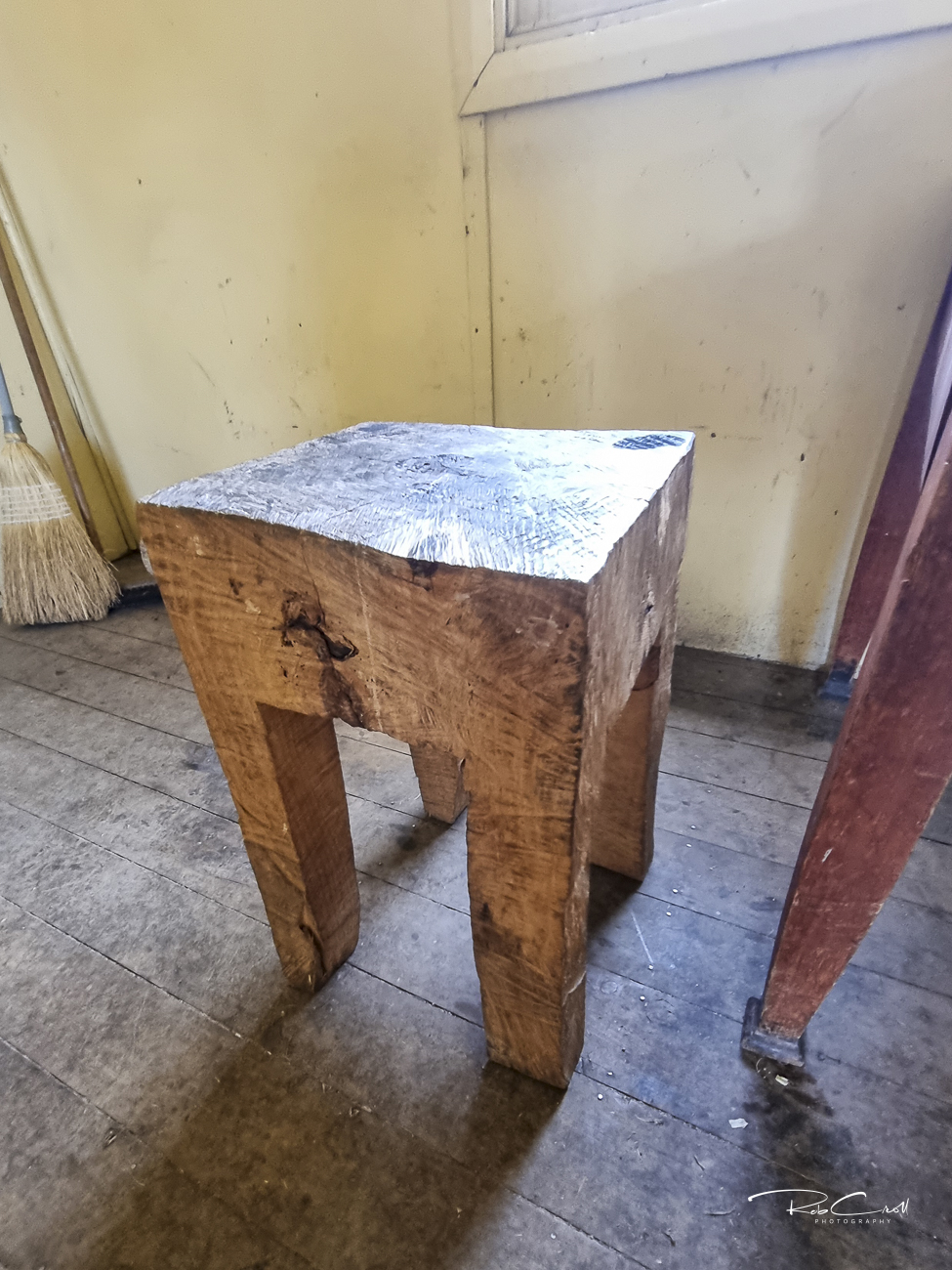
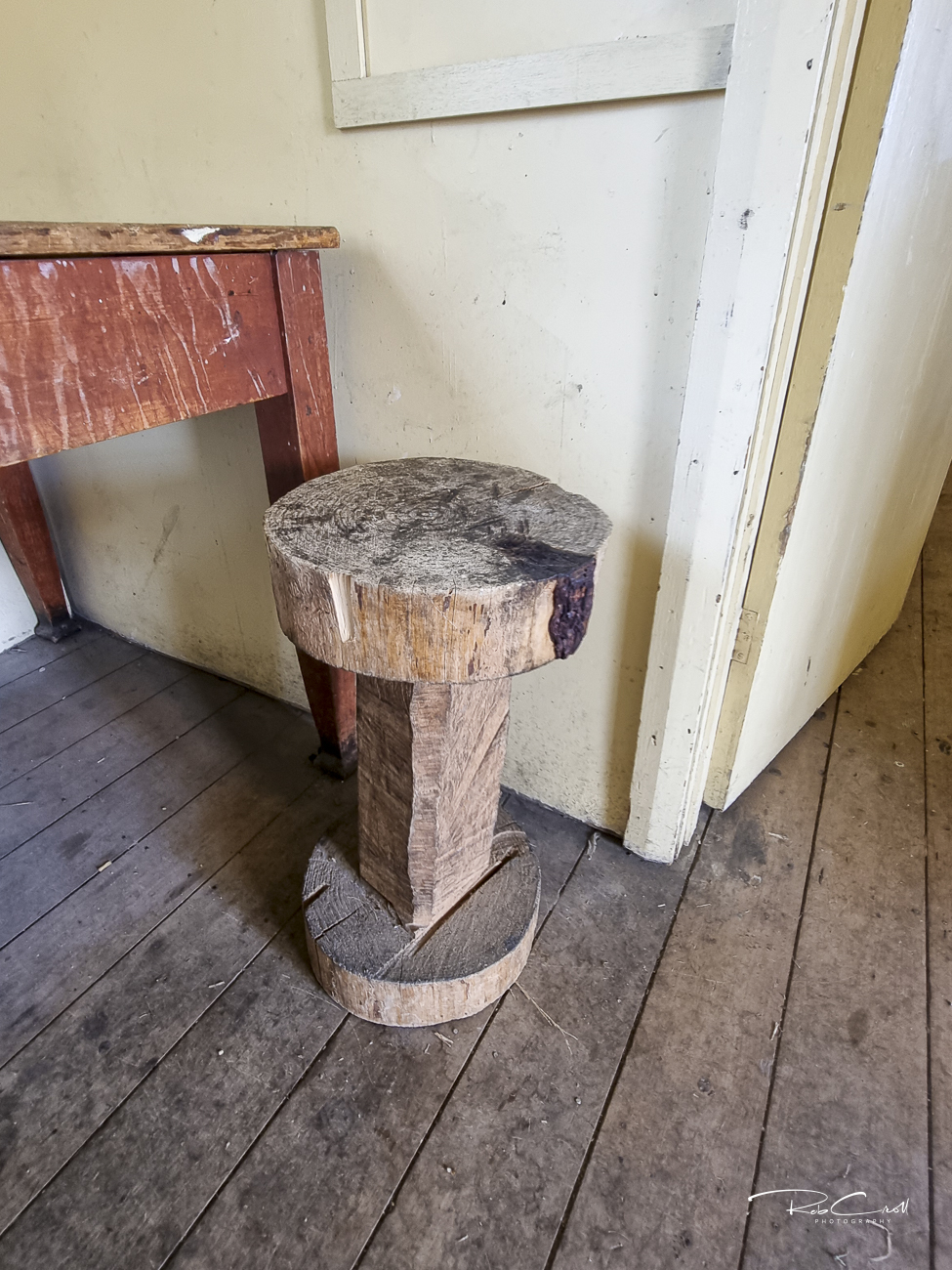
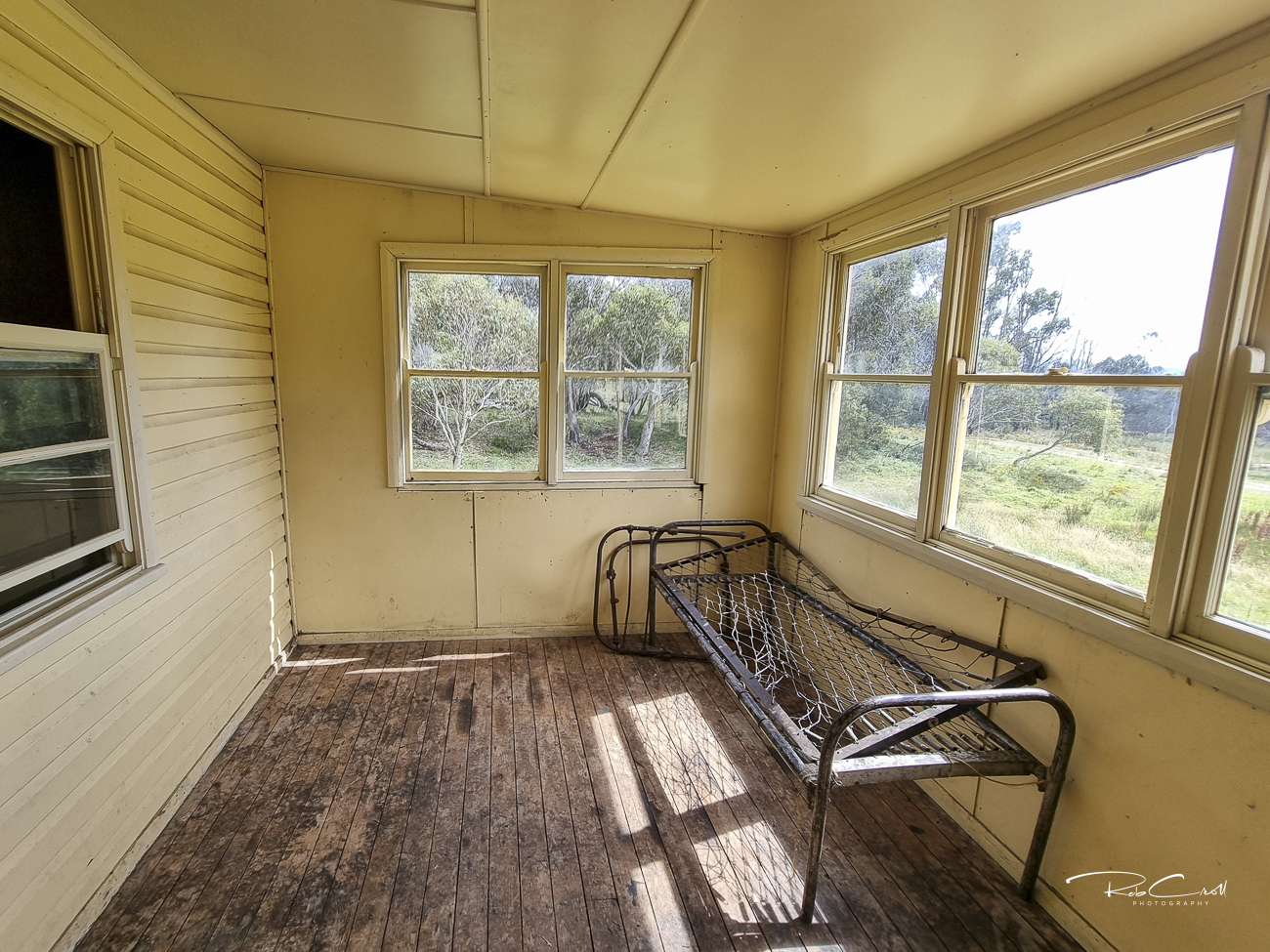
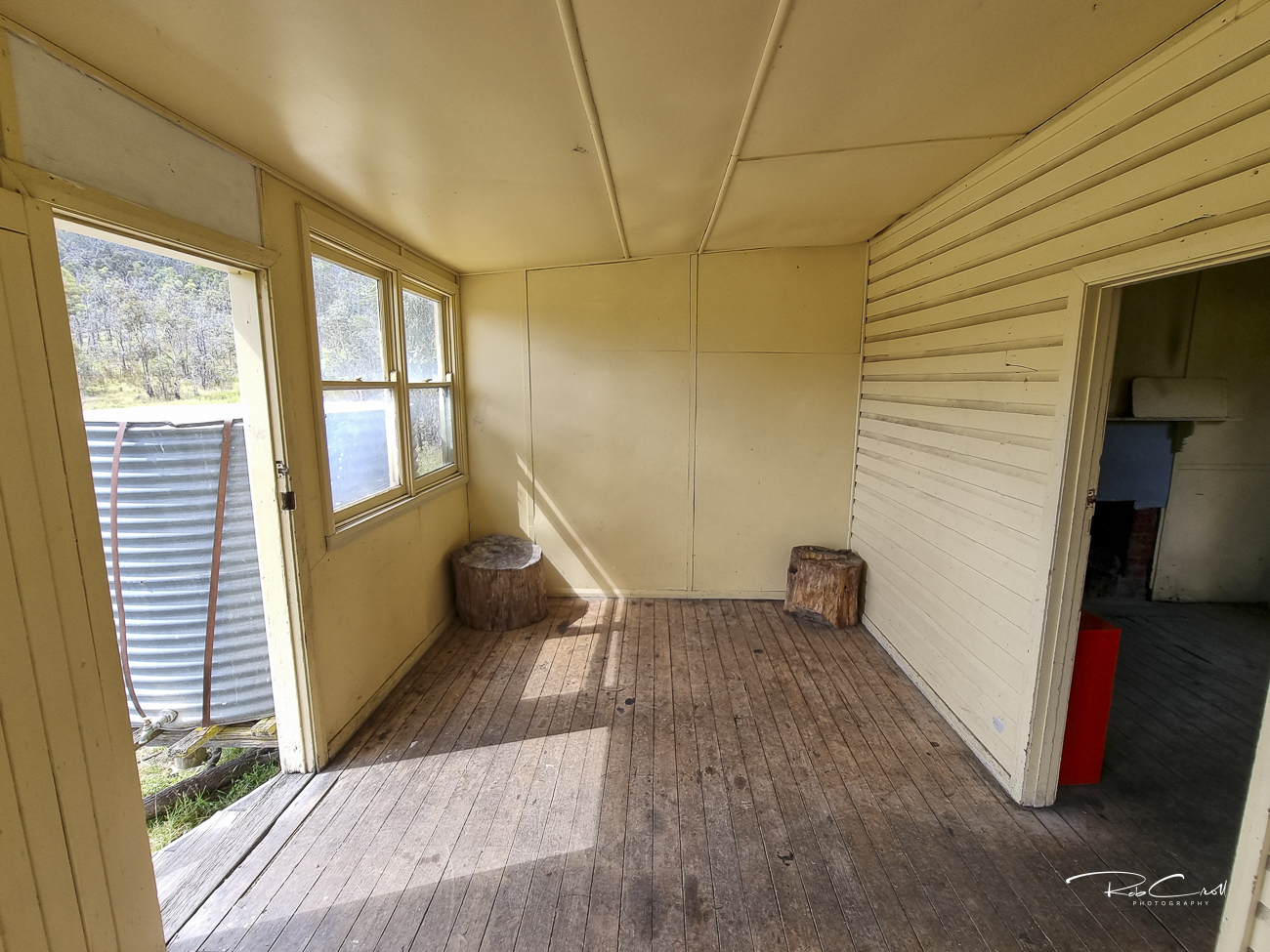
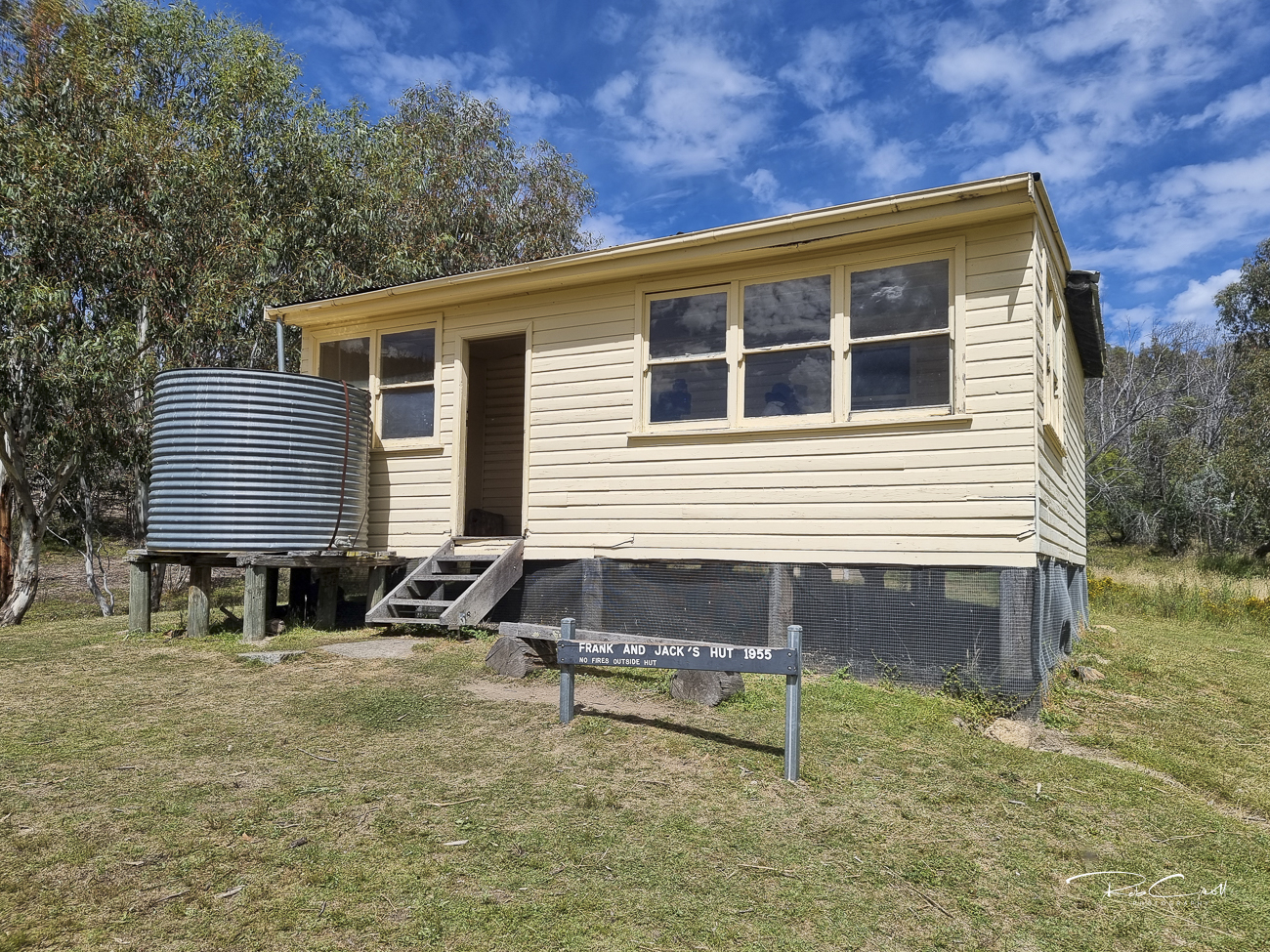
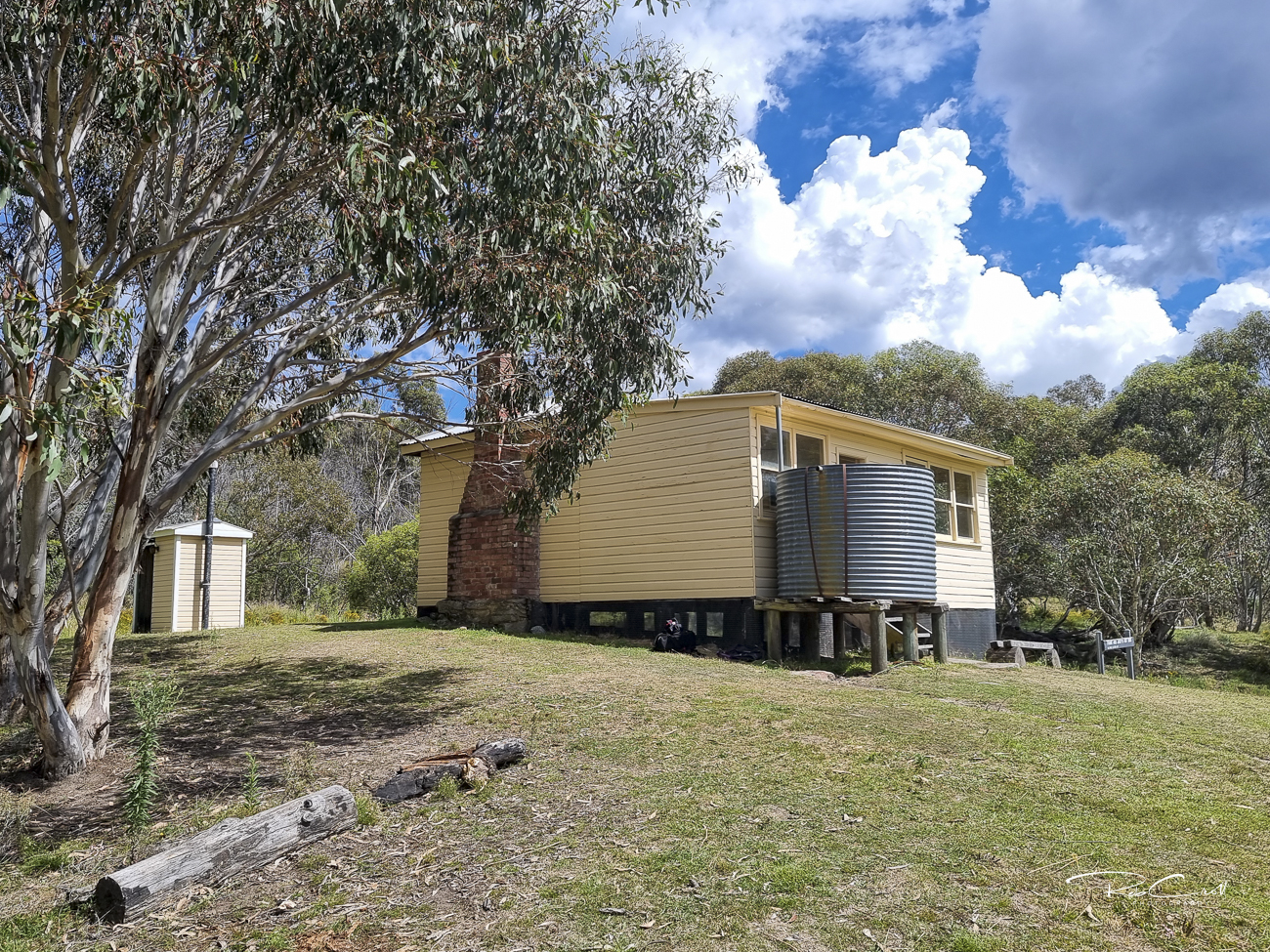
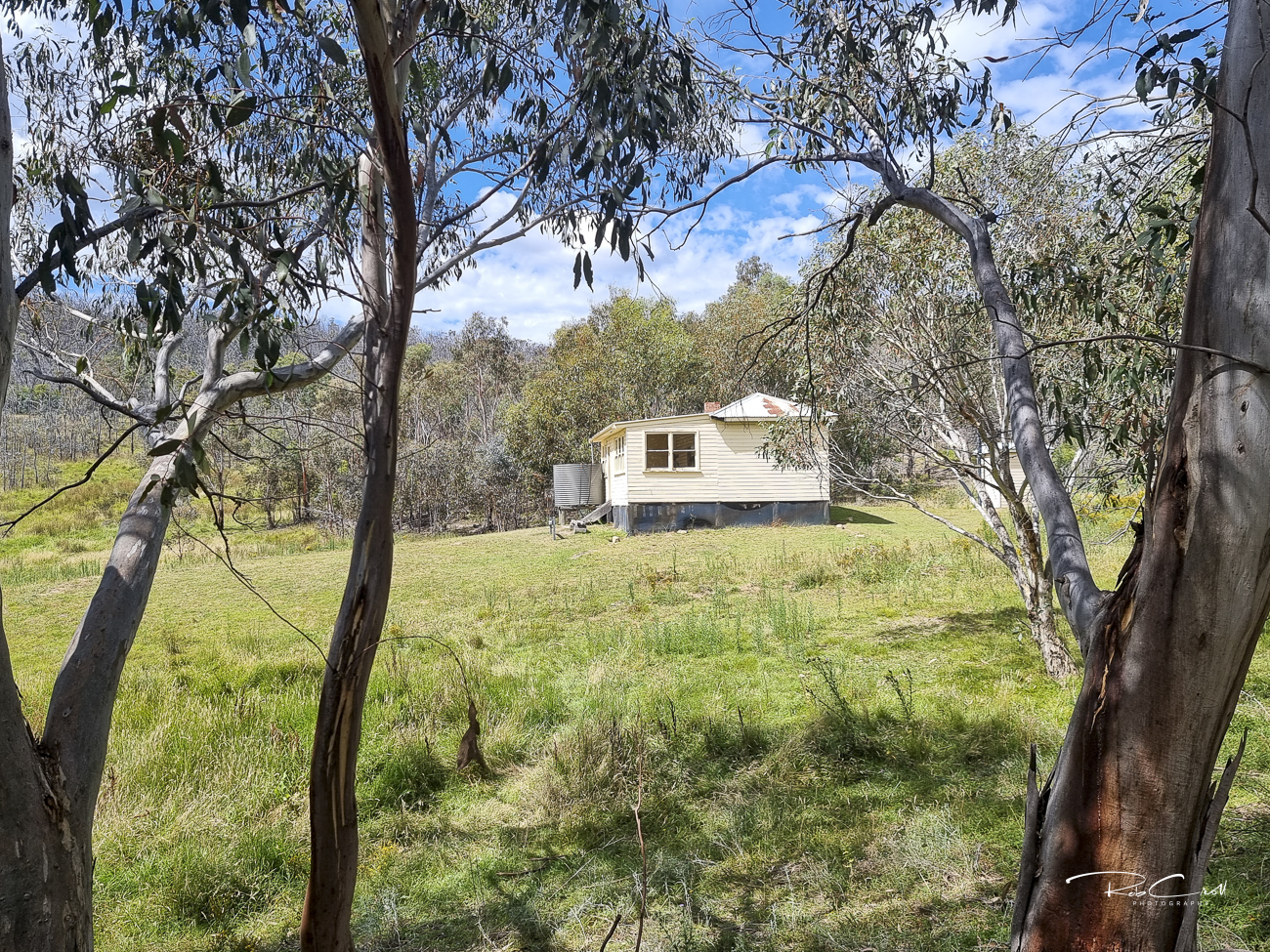
Created by Copilot AI and may not be accurate. Awaiting review
| Built | 1954 by Cecil Hopkins for Frank & Jack Oldfield |
| Condition | ★★★★☆ (intact; popular with walkers) |
| Location | Namadgi National Park, ~2.5 km SW of Yankee Hat carpark |
| Alternate Names | Franks Hut, Franks in the Pines |
| 1948 | Oldfields purchase land from Bootes of Gudgenby |
| 1954 | Hut constructed by Cecil Hopkins of Queanbeyan |
| Late 1950s | Land resumed for ACT Forests pine plantation |
| Present | Used as a waypoint for walkers and school groups |
Frank and Jack’s Hut was built in 1954 by Cecil Hopkins for Frank and Jack Oldfield, replacing the earlier Sinclair Hut nearby. It supported sheep grazing, particularly breeding ewes, and was never used as a permanent residence. The land was resumed in the late 1950s for pine plantation development by ACT Forests.
The hut is now a popular destination for walkers and school groups, offering a quiet clearing and access to Mt Gudgenby. It’s often reached via the Old Boboyan Road from the Yankee Hat carpark.
The hut is a three-room weatherboard structure with timber floors, a brick fireplace, and a corrugated iron roof. A water tank and sheep dip were installed nearby, fed from a dam in a small creek. The hut is dry, weatherproof, and retains its original layout.
No toilet is present. Visitors are encouraged to bring tents and avoid lighting campfires, as the site lacks a secure fireplace and wood supply.
The hut is listed in the KHA Namadgi register as site 248. It is also documented in the Gudgenby Archaeological Register and the Sites of Significance in the ACT series (Site G20). The site is actively monitored and considered historically significant for its grazing legacy and architectural integrity.
The hut is maintained by ACT Parks and supported by KHA volunteers. Interpretive signage is recommended to highlight its grazing origins, connection to the Oldfield family, and role in the pine plantation transition. Access is via a well-graded trail from the Yankee Hat carpark.