Photos
| Built | Early 1950s by Snowy Mountains Authority |
| Condition | ★★★★☆ (intact and well-maintained) |
| Location | Jagungal Wilderness, near Pugilistic Creek |
| Alternate Names | SMA Hut, Linesman’s Hut, Jagungal Hut |
| 1950s | Constructed by SMA for hydrologist Derschkos |
| 1970s | Regularly repainted; known for candy-striped roof |
| 2003 | Storage shed destroyed in bushfires; hut survived |
| 2011 | Outer cladding replaced; interior preserved |
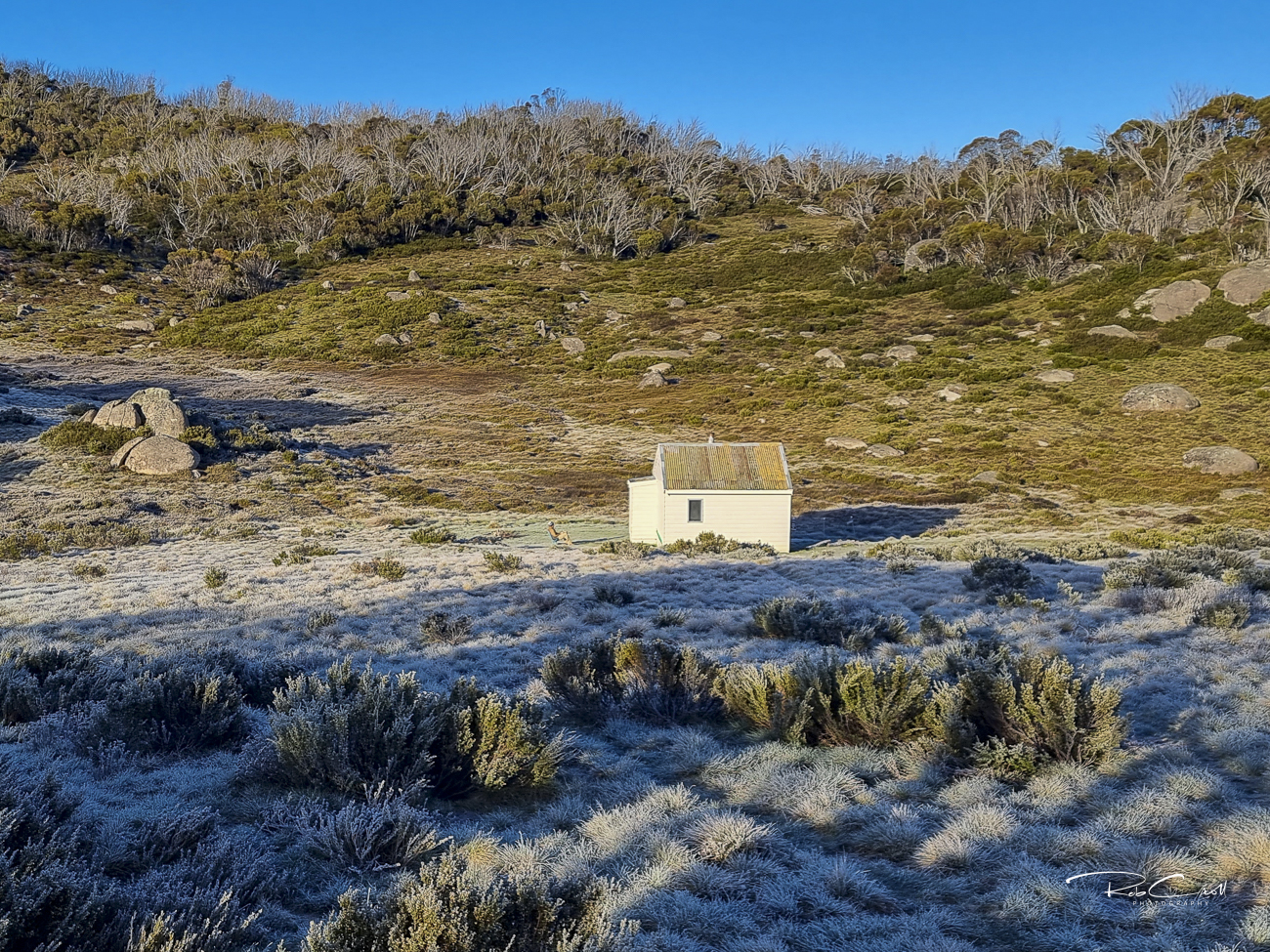
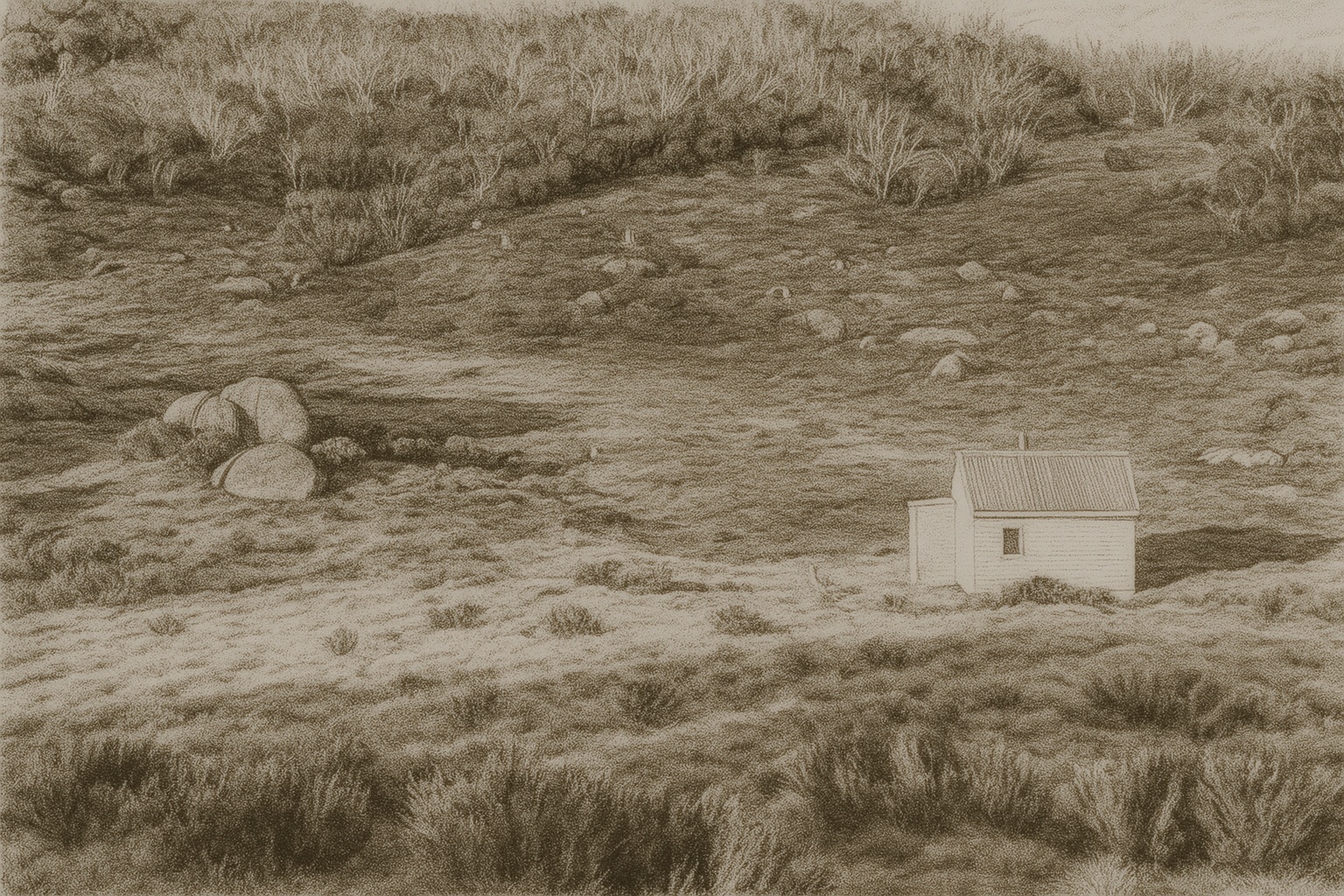
Derschkos Hut is a remote and historically significant structure located deep in the Jagungal Wilderness of Kosciuszko National Park, near Pugilistic Creek and about 2 km from the junction of the Grey Mare and Round Mountain fire trails. Built in the early 1950s by the Snowy Mountains Authority (SMA), it was originally used by a hydrologist named Derschkos, from whom the hut takes its name.
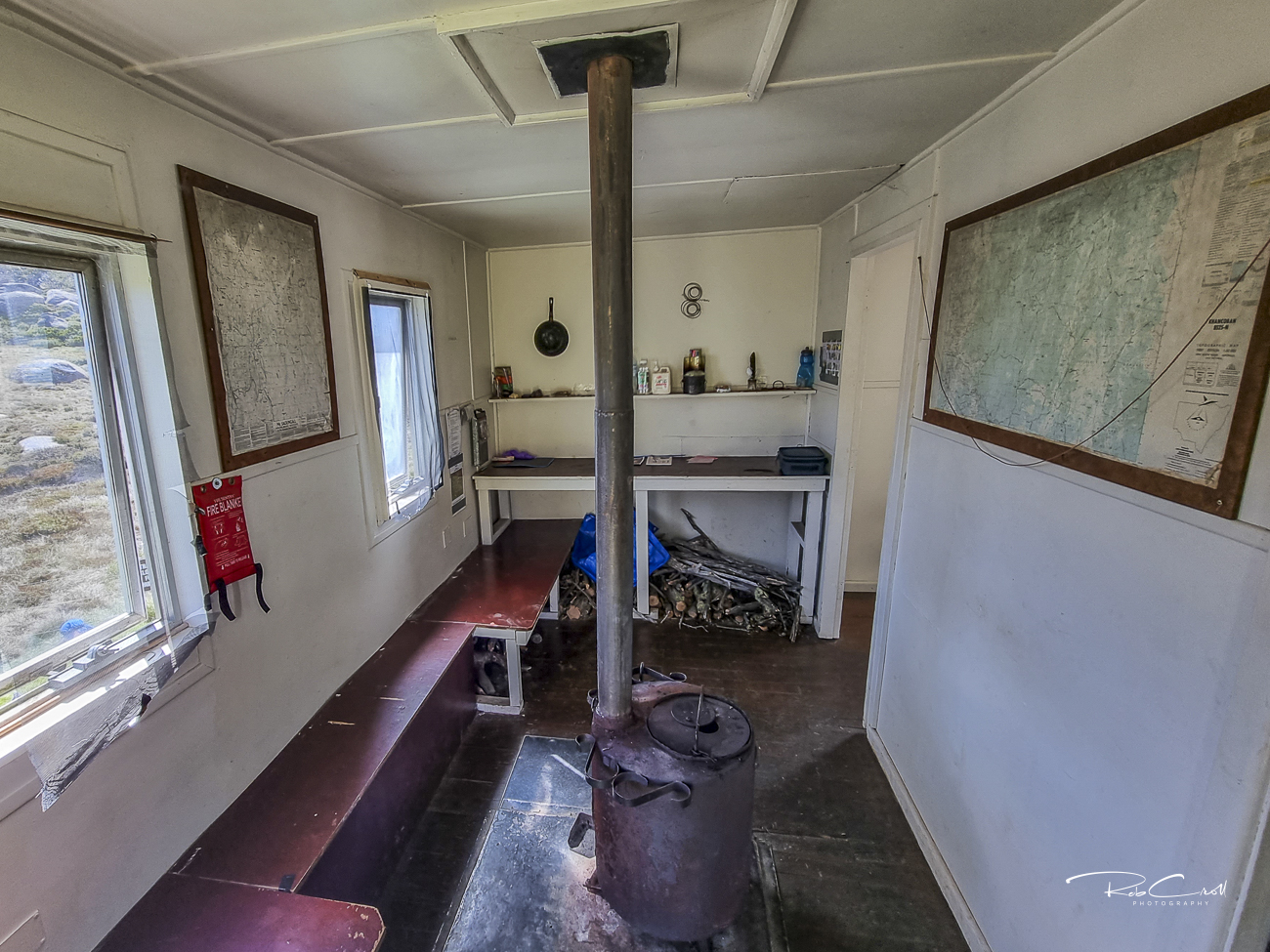
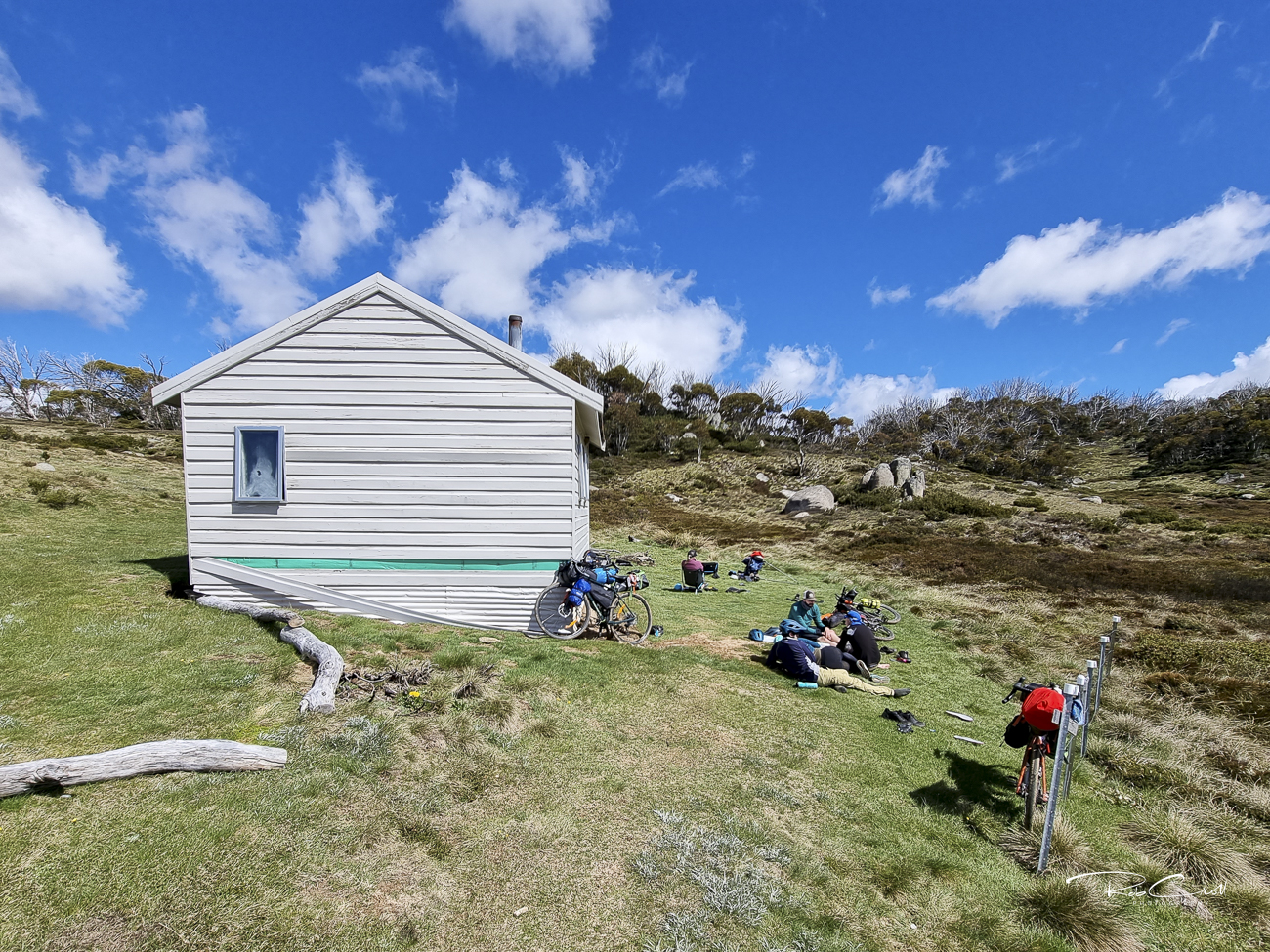
The hut is professionally constructed, featuring three rooms within a 6.5-metre square footprint. It has weatherboard walls, a timber floor, a corrugated iron roof, and masonite-lined interiors. Four operable windows provide light and ventilation, and a pot belly stove offers warmth—though firewood must be gathered from surrounding bushland. A small creek just 10 metres away supplies water, and a separate toilet (“loo with a view”) adds to its rustic charm. A storage shed once stood nearby but was destroyed in the 2003 bushfires, briefly causing concern that the hut itself had been lost. Fortunately, it survived intact.
Derschkos Hut holds particular value for skiers and bushwalkers, being the closest shelter to Mount Jagungal. In the 1970s, it was kept in pristine condition, even sporting a candy-striped roof at one point. Like Mawsons Hut, it has saved lives during extreme weather events, reinforcing its importance as both a heritage site and a survival refuge.
Derschkos Hut is a professionally constructed, three-room structure measuring approximately 6.5m square. It features weatherboard walls, a corrugated iron roof, and a timber floor. The interior is lined with Masonite, and the hut includes four operable windows, a pot belly stove, and a separate “loo with a view.”
A locked storage shed once stood nearby but was destroyed in the 2003 fires. The hut itself survived and remains structurally sound.
Stewardship is shared between NPWS and KHA volunteers. The hut is maintained for emergency shelter and heritage value. Interpretive signage and oral history integration are recommended to highlight its scientific origins and alpine role.
Conservation efforts have focused on preserving the original layout and materials, with cladding replaced in 2011. The hut remains a key waypoint for multi-day treks and ski tours.