Photos
| Built | 1963 by CSIRO for rabbit research |
| Condition | ★★★☆☆ (basic structure, maintained for shelter) |
| Location | Snowy Plain, east of Gungarlin River |
| Alternate Names | Rabbiters Hut, CSIRO Hut |
| 1961–62 | Snowy Plain study site established under Dr Ken Myers |
| 1963 | Prefabricated hut brought from Canberra and erected |
| 1964–1980 | Used for Myxomatosis and rabbit population studies |
| 1990s | Calicivirus trials and ecological recovery observed |
| 2000–present | CSIRO ceased operations; hut now used by hikers |
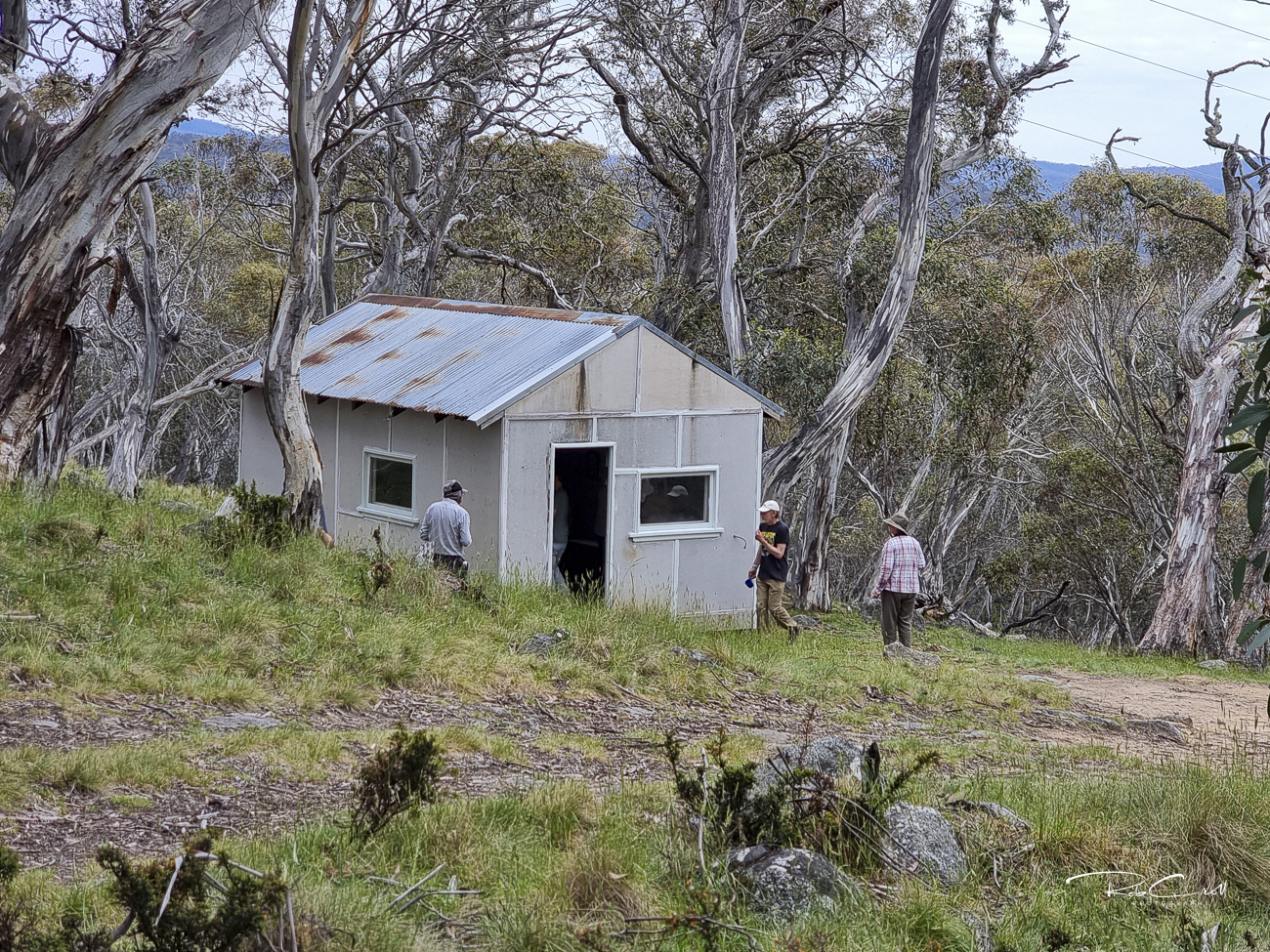
The CSIRO Research Hut, also known as the Rabbiters Hut, was built in 1963 by the Commonwealth Scientific and Industrial Research Organisation as a field base for studying rabbit control in the Snowy Plain region of Kosciuszko National Park. At the time, the area had one of the worst rabbit infestations in Australia, prompting the establishment of a 540-acre study zone in the north-eastern section of the plain.
Initial research focused on the impact of myxomatosis, which had dramatically reduced rabbit populations. As the disease’s effectiveness declined, further studies were conducted between 1966 and 1971 to understand rabbit behavior and burrow dynamics. In the 1990s, the introduction of calicivirus (RCD) again decimated rabbit numbers, allowing native vegetation—especially eucalypt seedlings—to regenerate across the landscape.
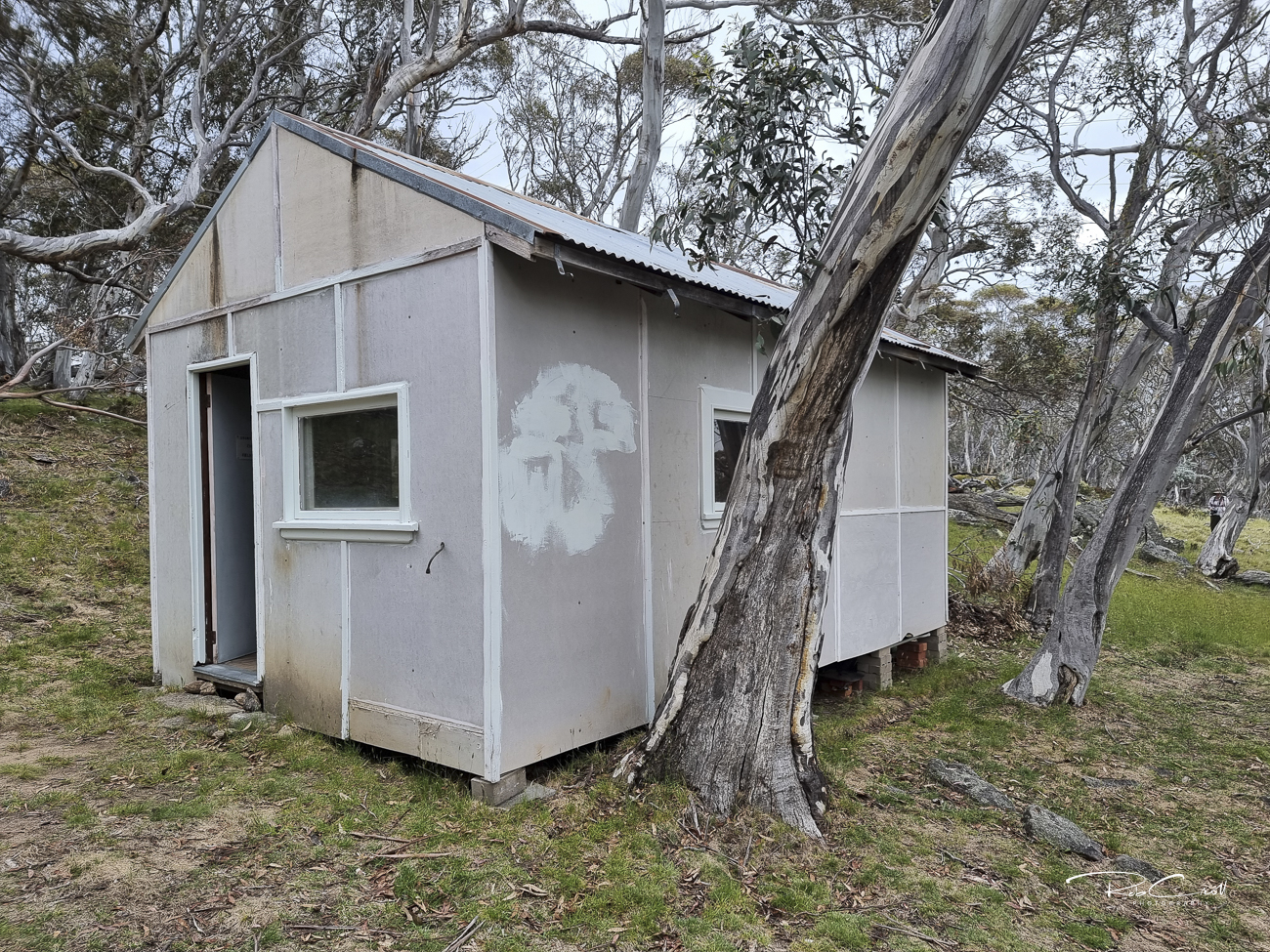
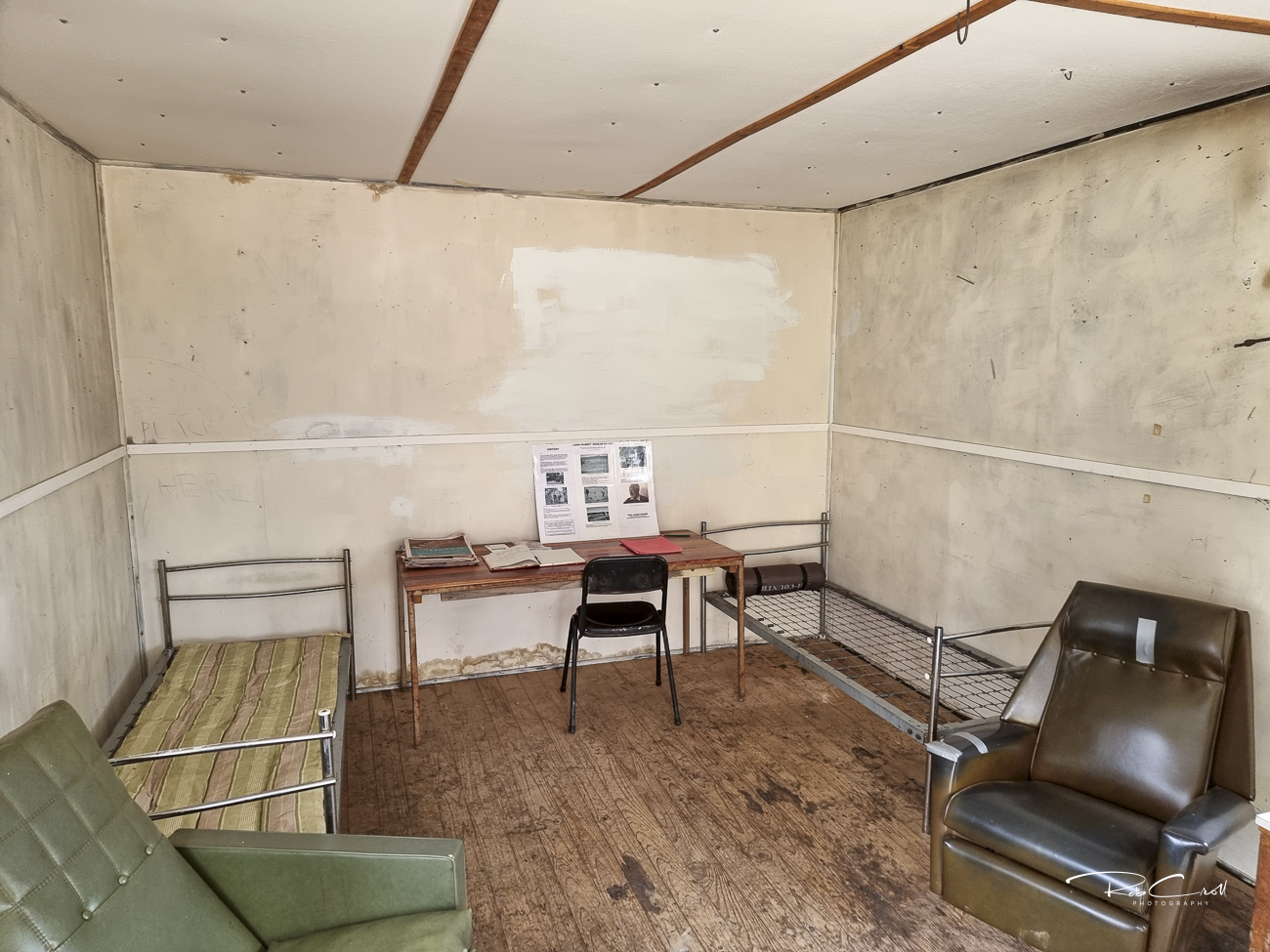
The hut is a modest timber-framed structure with panel board walls, a gabled iron roof, and a tongue-and-groove pine floor. It contains a single room with a kitchenette and three windows. Though basic, it served as a vital research outpost for decades. By 2000, CSIRO ceased operations at the site due to funding cuts, and the hut was opened for public use. It remains accessible via 4WD from Nimmo Bridge and sits near other heritage sites like Botherum Plain Hut and Daveys Hut.
Today, the CSIRO Research Hut stands as a quiet monument to Australia’s scientific efforts in pest control and alpine ecology. Its legacy is not just in the data it helped generate, but in the visible recovery of the landscape it once monitored.
Stewardship is informal, with KHA oversight and occasional volunteer maintenance. Interpretive signage and oral history integration are recommended for future documentation. The hut represents a unique intersection of science and wilderness.