Photos
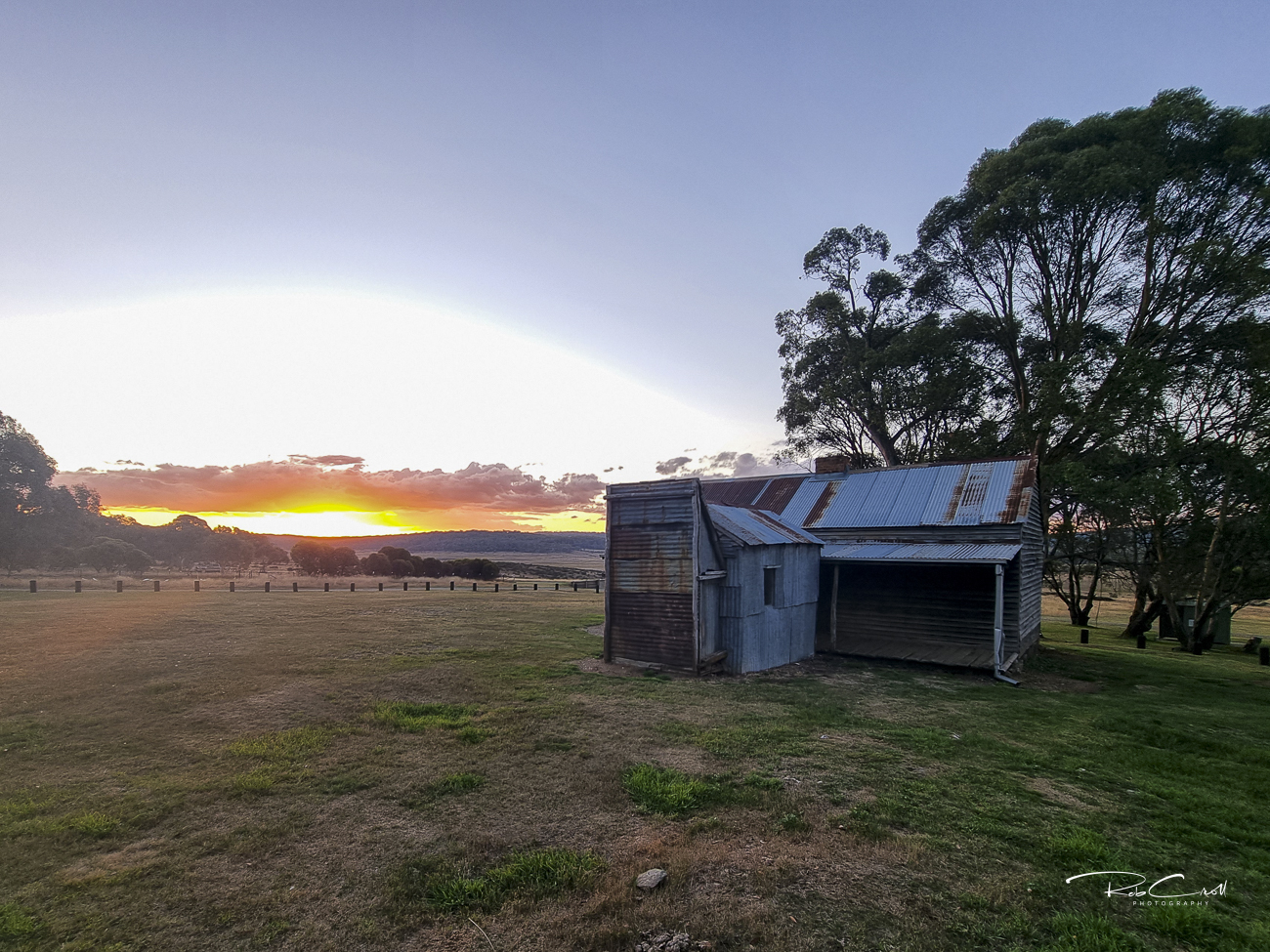
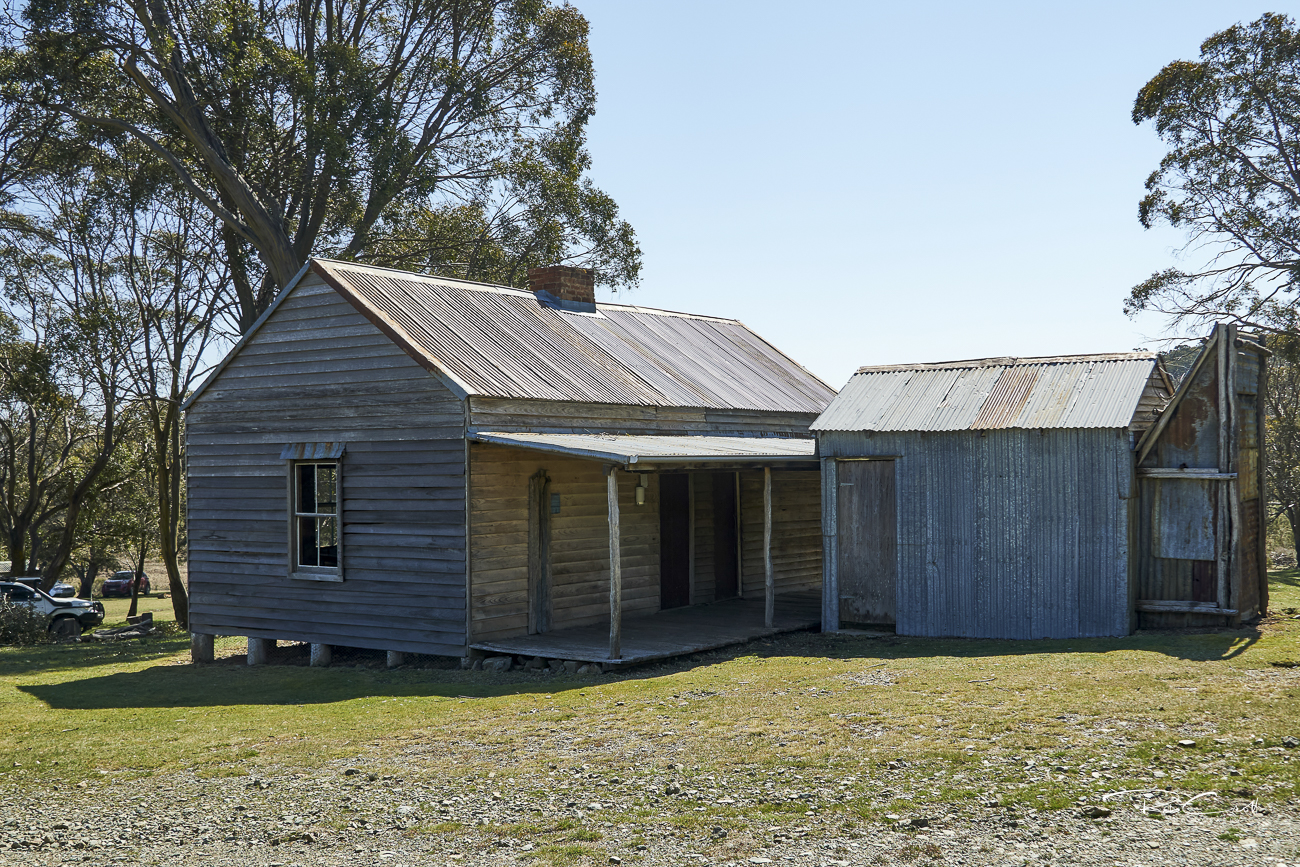
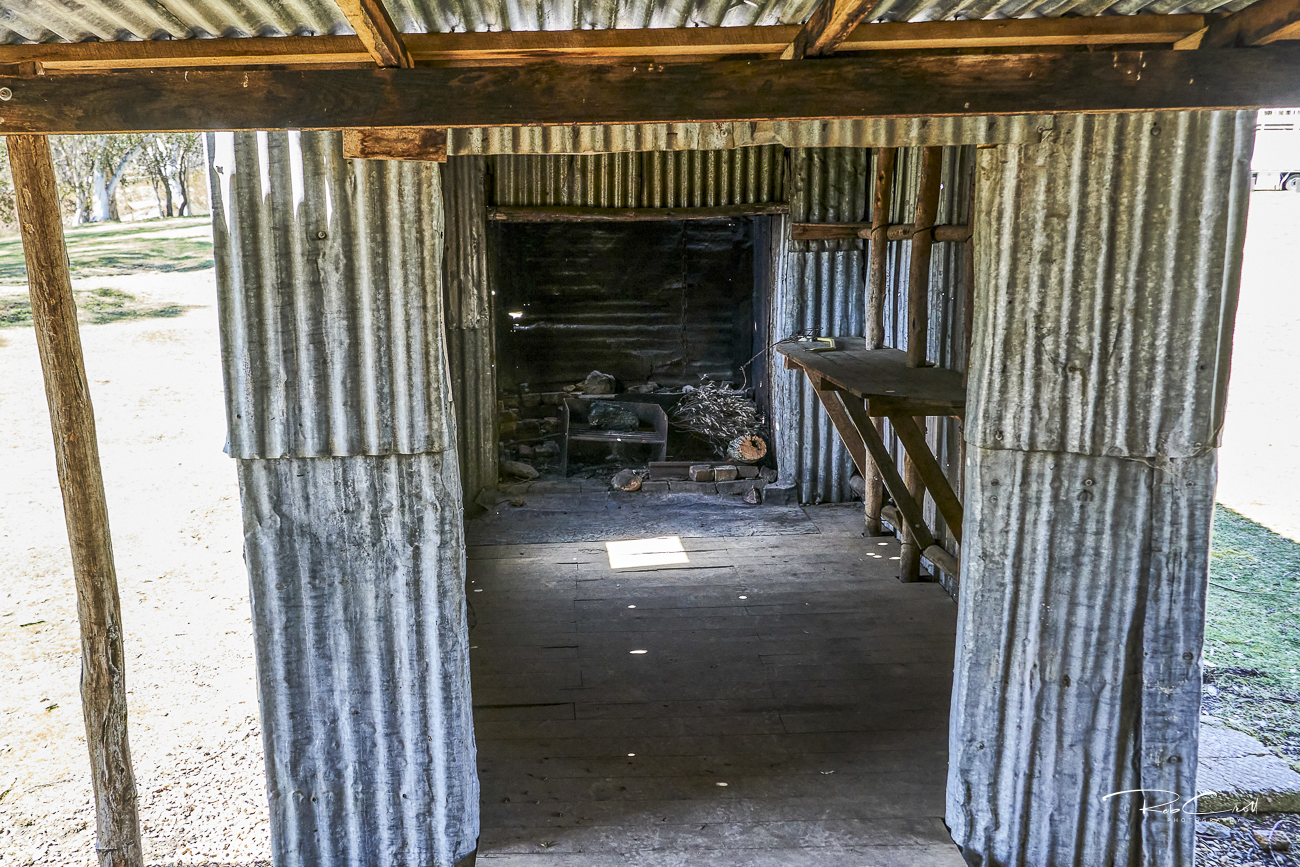
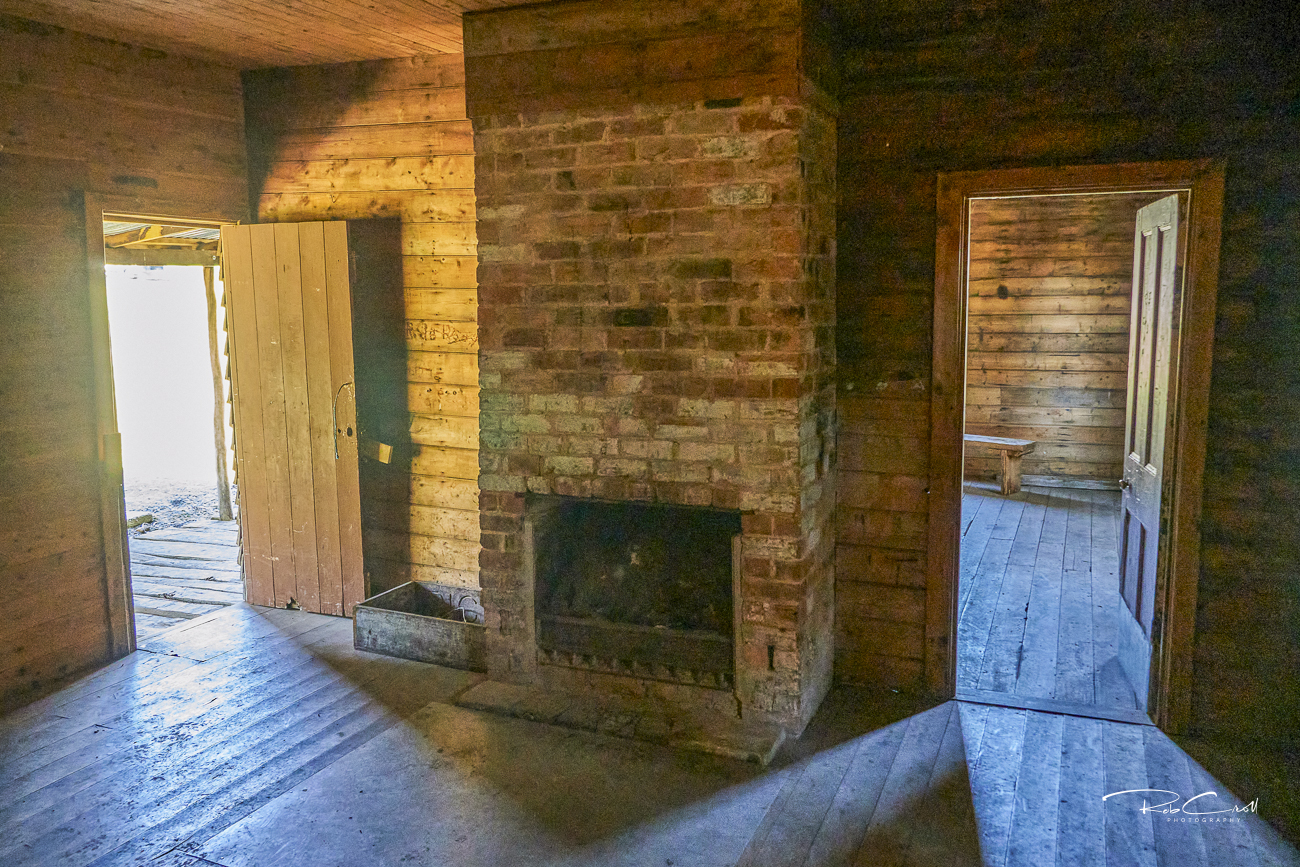
| Built | 1905 (original site established 1866) |
| Condition | ★★★☆☆ (restored main building and kitchen) |
| Alternate Names | Long Plain Homestead, The Retreat |
| Location | East side of Long Plain, near Peppercorn junction |
| 1866 | Original homestead built on site |
| 1905 | New building constructed under leaseholder A.B. Triggs |
| 1987 | Large tree limb crushed half the building |
| Late 1980s | Restoration by KHA volunteers with NPWS support |
| 1990s–present | Road access improved; site used by horse riders and campers |
Cooinbil Homestead, also known as Long Plain Homestead or The Retreat, is a historically significant site located on the eastern side of Long Plain in Kosciuszko National Park. The original structure on this site dates back to 1866, but the current building was constructed in 1905 during the lease held by A.B. Triggs. It later came under the management of Cooinbil Pty Ltd, a Riverina-based pastoral company, with Campbell as a major shareholder.
The homestead played a central role in high-country grazing and was one of the more substantial pastoral residences in the region. It is one of only a handful of huts in the park with a full-length book dedicated to its history and restoration, notably *Cooinbil – Recollections and Restoration* by Harry Hill (1995), which documents both its pastoral legacy and the conservation efforts led by volunteers.
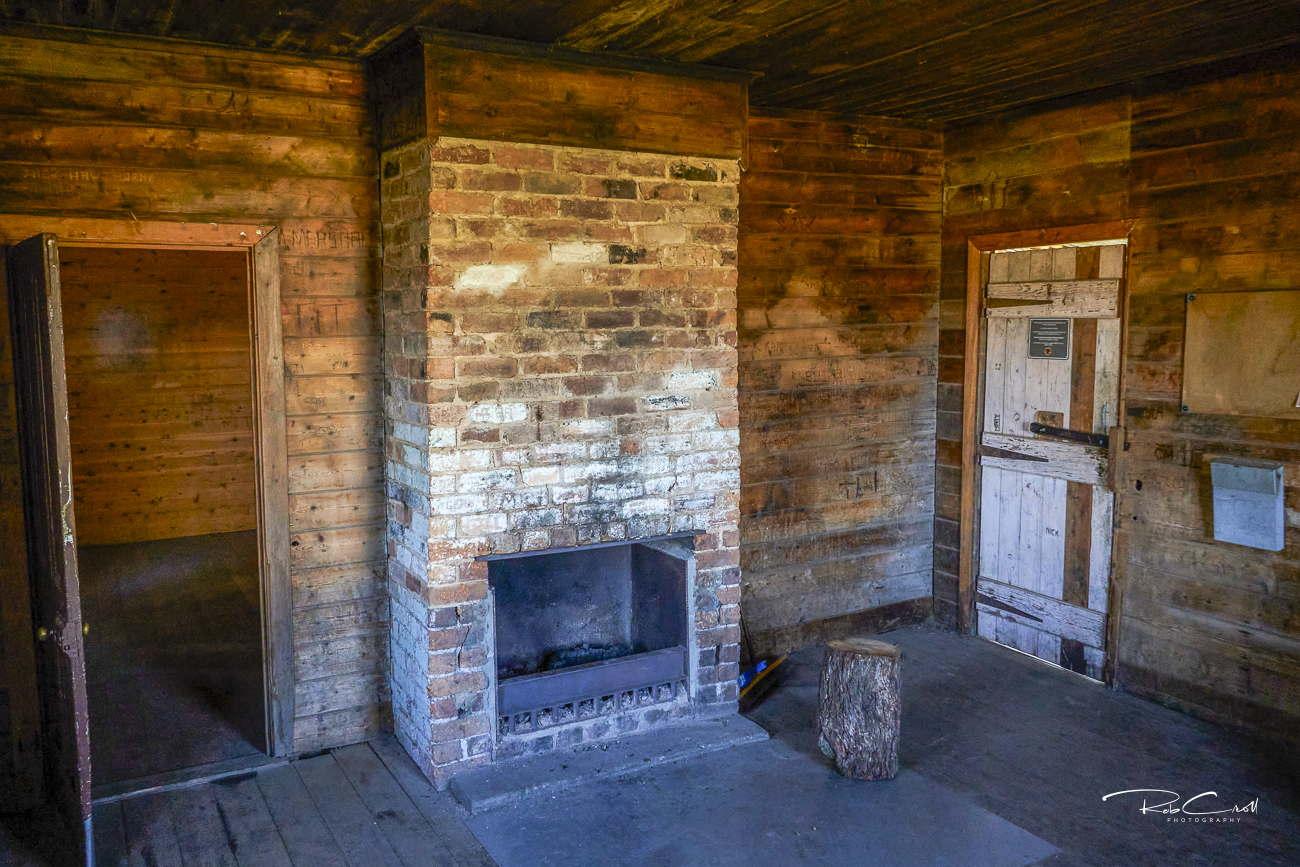
In 1987, a large limb from a nearby Black Sally tree fell and crushed part of the building. Thanks to the support of NPWS and the dedication of Kosciuszko Huts Association (KHA) members, the main cottage and rear kitchen were restored. The building features weatherboard cladding, cypress pine linings, a double-brick chimney, and a **corrugated iron roof**. A separate kitchen and NPWS-standard toilet are also present.
During the 1990s, the boggy access road was graveled, improving vehicle access but unfortunately leading to increased vandalism. Despite this, the homestead remains in good condition and is regularly used by horse riders and recreational groups, who help maintain its upkeep. The site continues to serve as a valuable camping location and a tangible link to the region’s pastoral heritage.
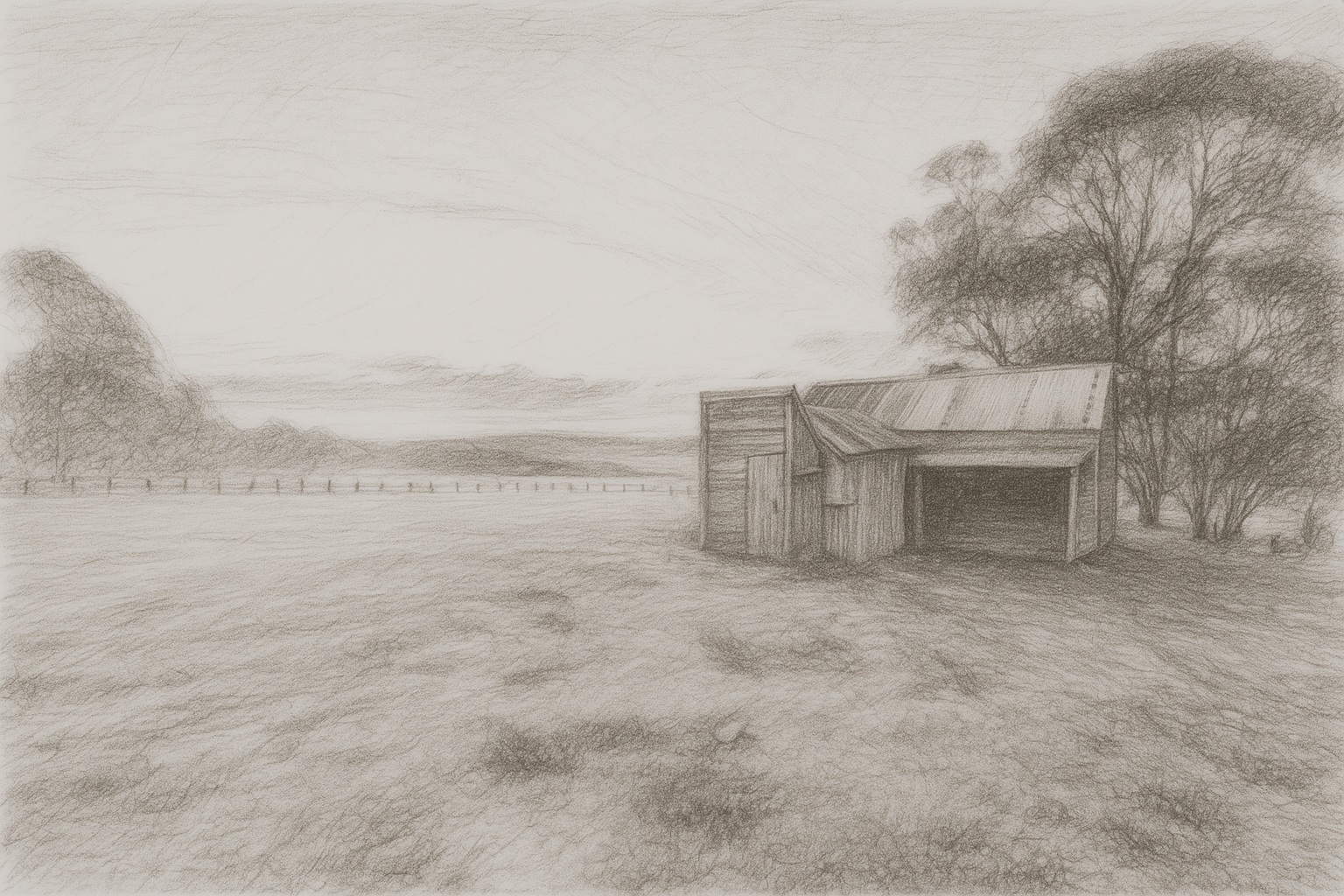
The homestead consists of a two-room weatherboard cottage with cypress pine linings, a double brick chimney, and a corrugated iron roof. The separate kitchen at the rear shares similar materials. Windows are shuttered, and a NPWS-standard toilet is located nearby.
GEORGE-DAY - Interview by Klaus Hueneke, 3 March 1982 2
GD:...The chap in my time, in my early twenties, who lived there was George Hunt, at Cooinbil. He was married to Tom Taylor's sister and he used to look after it for Reids - no, Reid was the manager of the property down the country that owned it. I just can't think of that name, but Hunt lived there in my time looking after it. I know old Mr Reid he was the manager of the station down the Riverina
...
KH: You would have driven up Long Plain?
GD: Yes on a few occasions, up to Cooinbil, take a bit of salt up there. As a matter of fact I shifted George Hunt and Torn Taylor ' s sister when they left there and they got a place over - a job over - they left that and went for another job over at Adaminaby. I went up and shifted there ' 40 years gathering' as the saying is.
KH: What size were the blocks of salt?
GD: Well mostly hundredweight bags, what they call Liverpool salt, 12 to the ton - 180 lb bags.
Stewardship is shared between NPWS and KHA volunteers. Priorities include structural maintenance, graffiti prevention, and interpretive documentation. The site is a model for collaborative restoration and adaptive reuse in alpine heritage.
Notes from 'Kosciuszko National Park Huts Conservation Strategy' October 20053