Photos
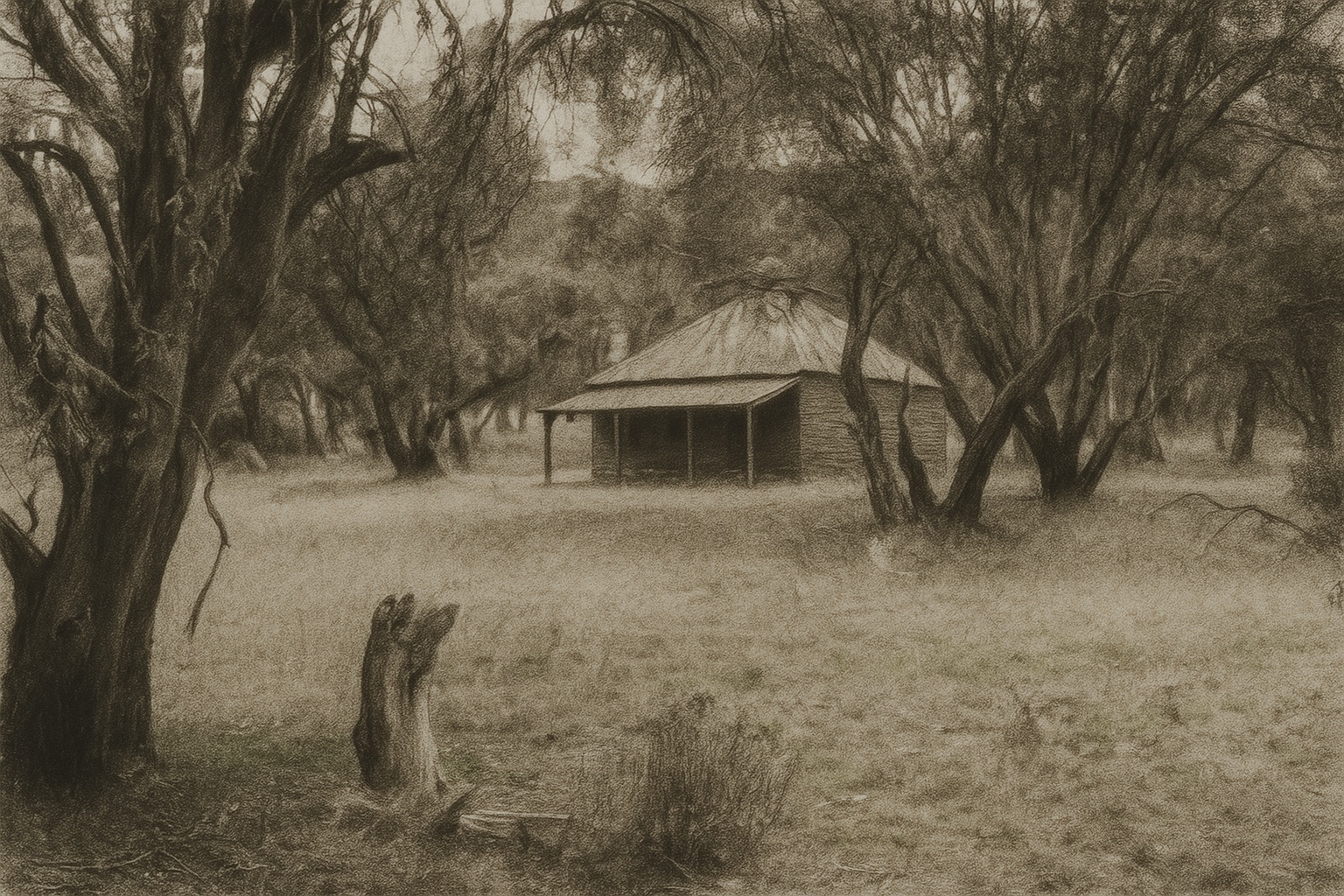
| Built | 1938 by George Circuit for Australian Estates Pastoral Company |
| Condition | ★★★☆☆ (intact, with original furniture) |
| 1938 | Constructed by George Circuit to support grazing on Tantangara Plain |
| 1940s–60s | Used seasonally by stockmen and leaseholders |
| 1980s | Documented by KHA; minor repairs undertaken |
| 2000s–present | Maintained as a historic site; accessible via Currango trails |
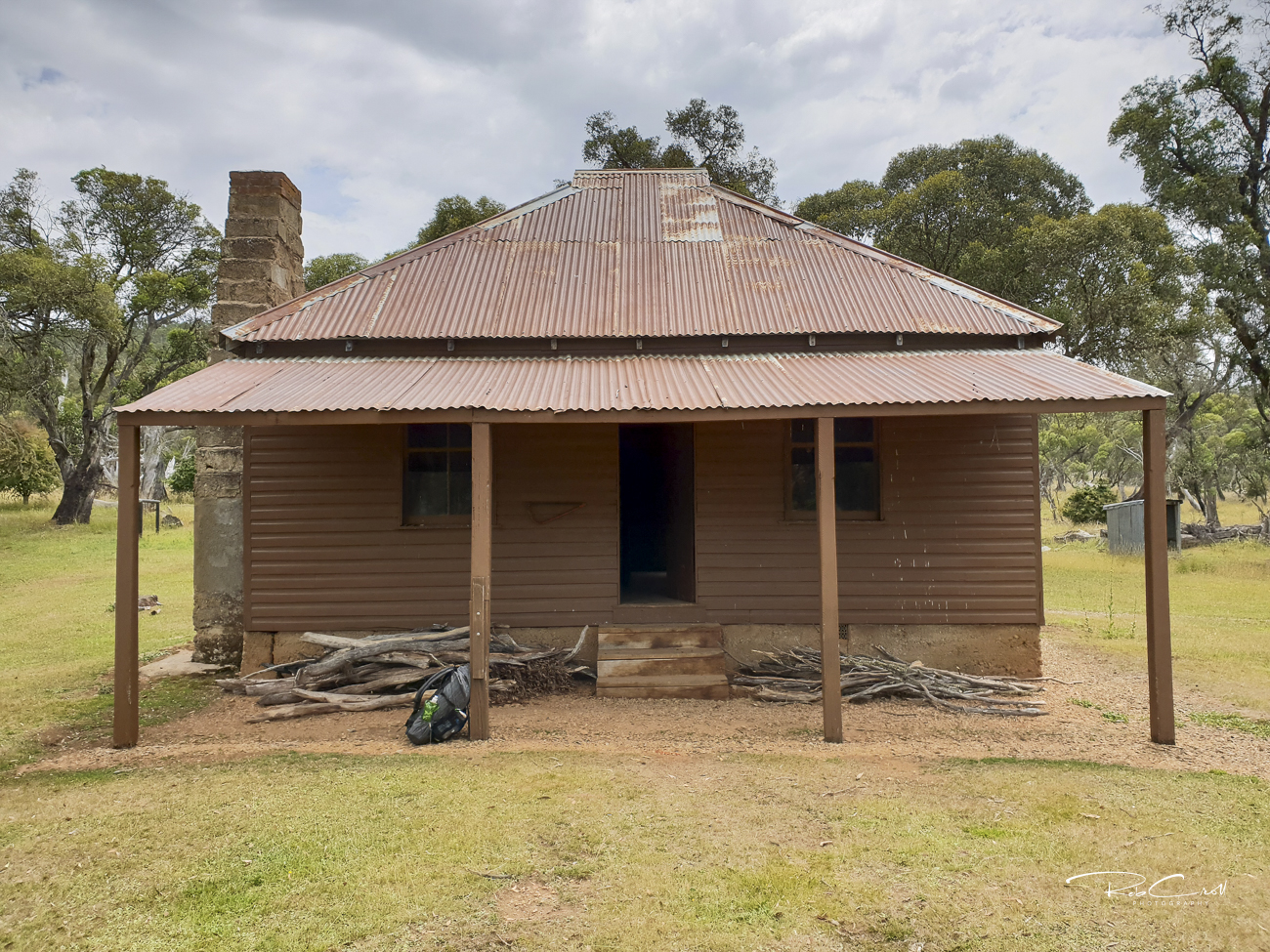
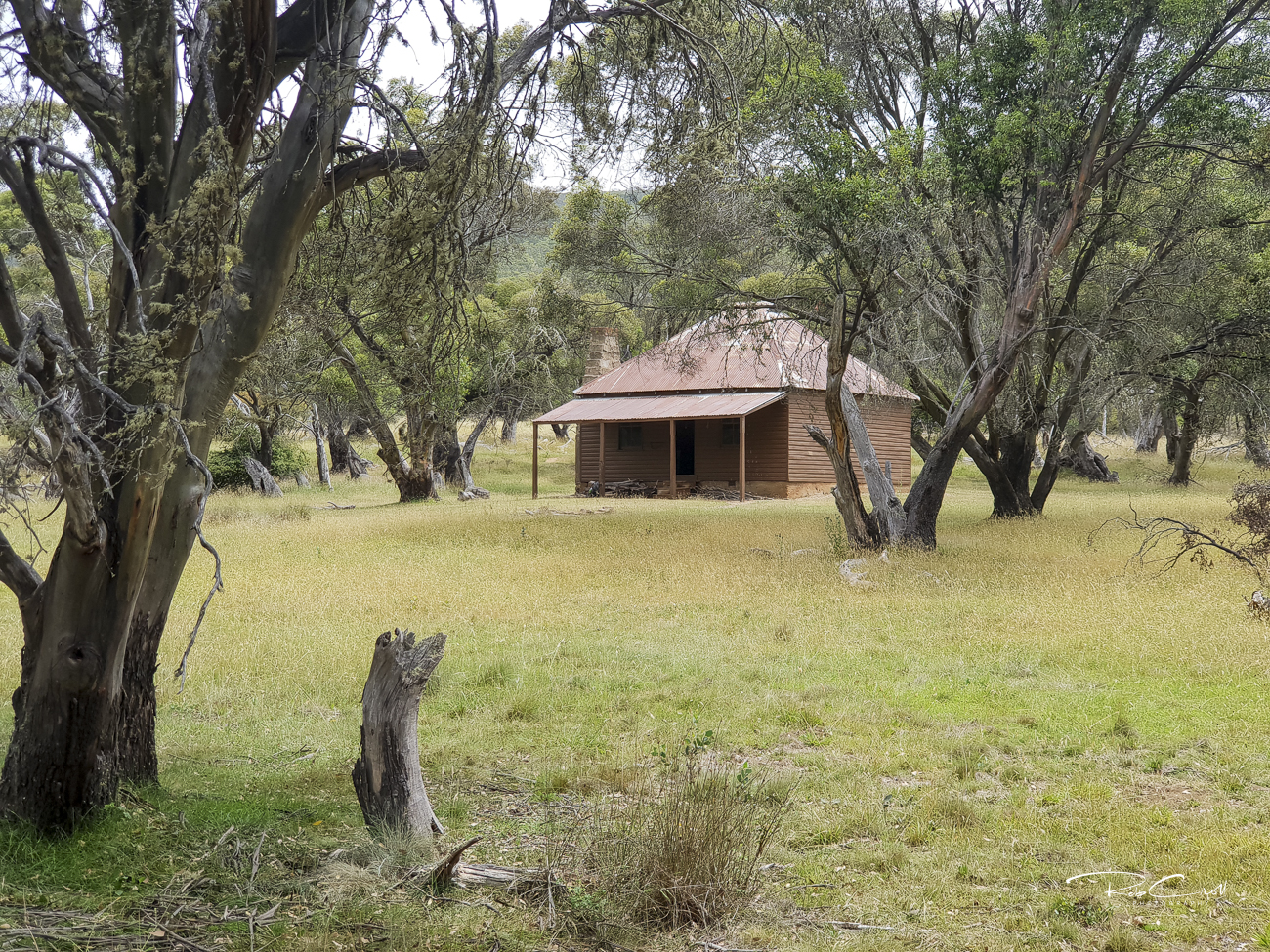
Circuitts Hut—also known by several names including Circuit’s, Doosies, Fells, and Gulf Hut—is a historic grazing hut located on the Tantangara Plain in Kosciuszko National Park. It was built in 1938 by George Circuit for the Australian Estates Pastoral Company, and Circuit himself held the lease for many years. The hut supported summer grazing operations in the region and is one of the few remaining examples of mid-20th-century pastoral infrastructure in the Snowy Mountains.
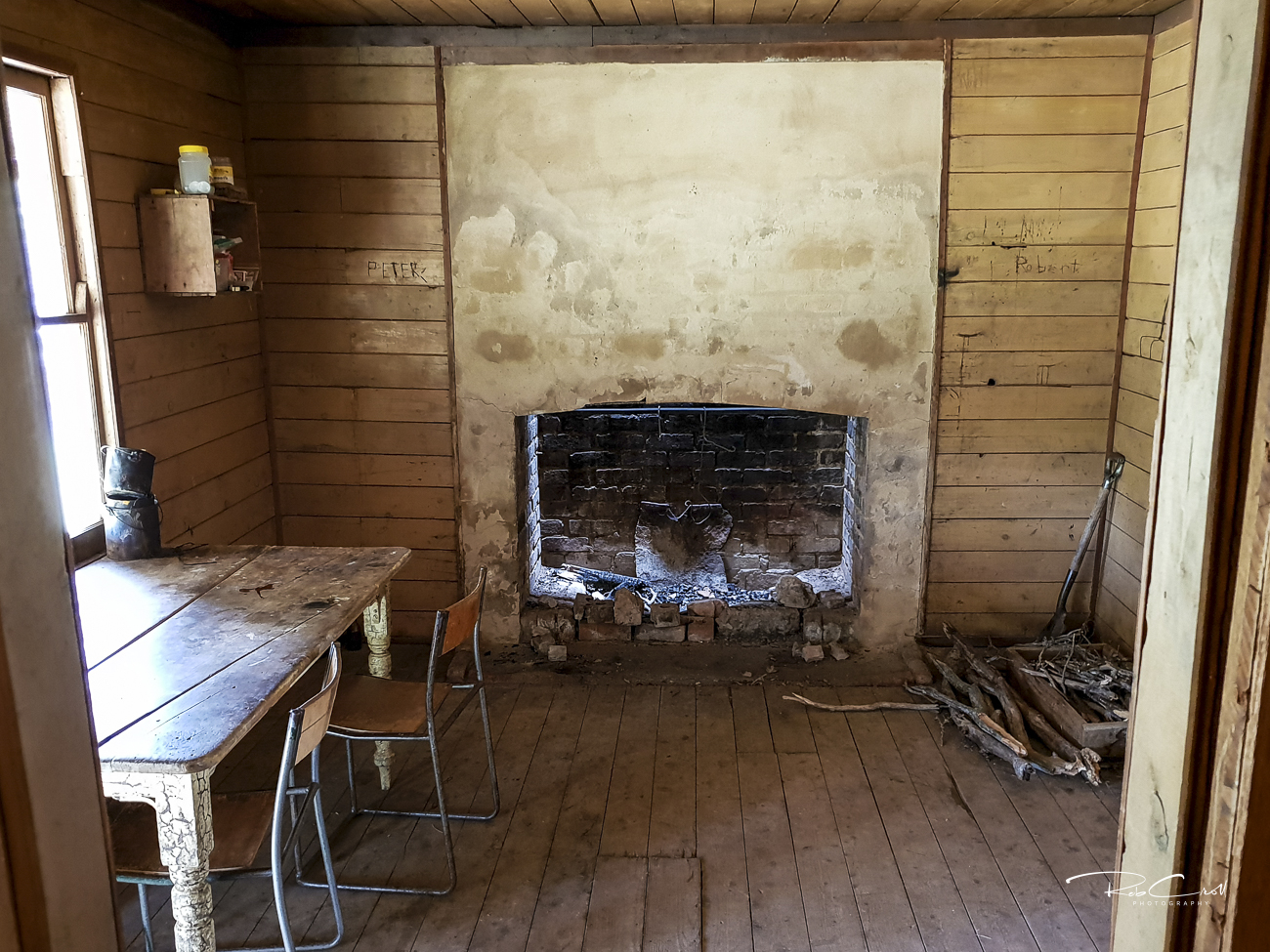
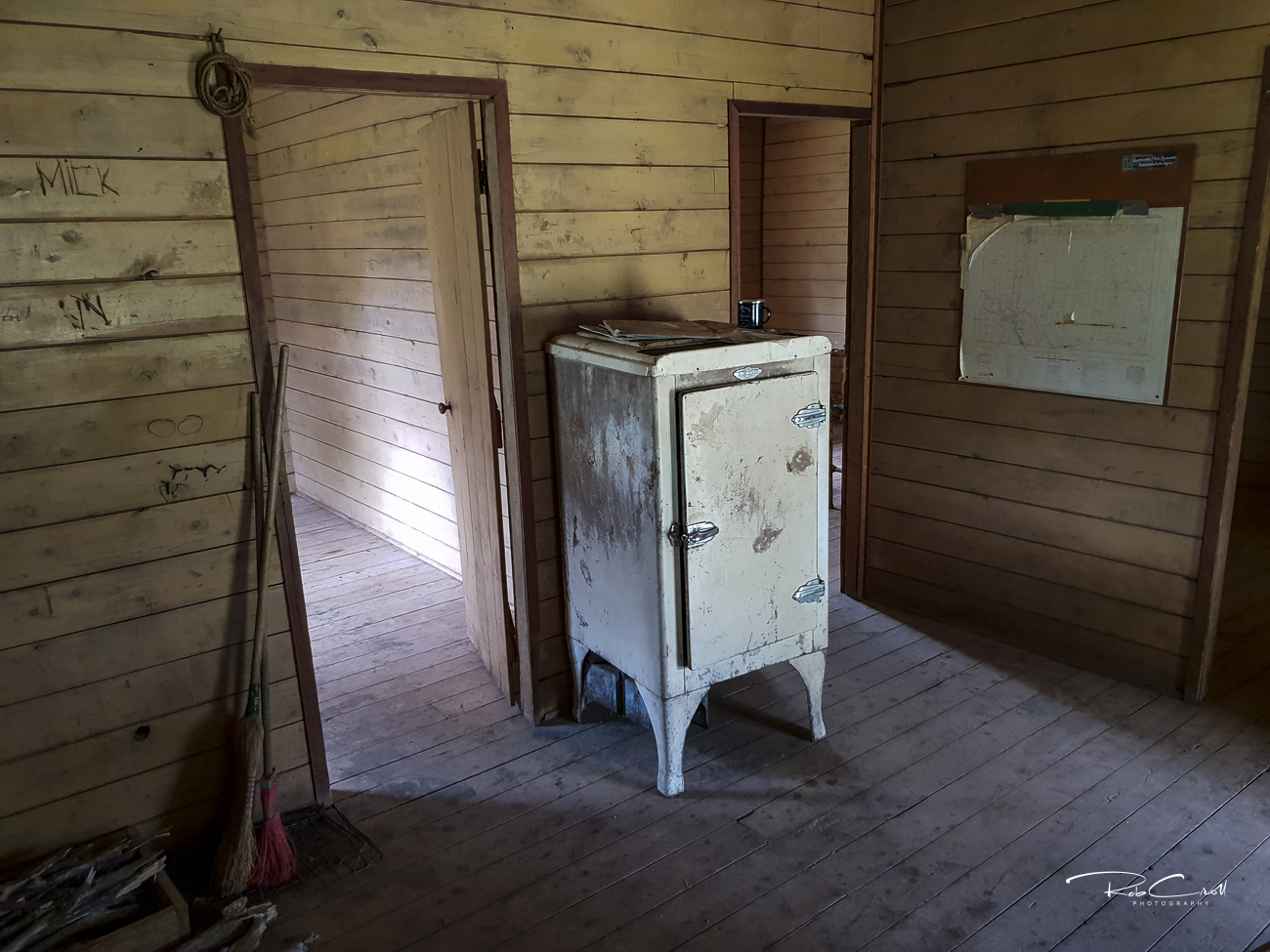
The hut is a substantial four-room timber structure with weatherboard cladding, wooden floors, and a brick chimney. It includes a verandah, four windows, and retains some original furniture—including a kerosene fridge that reportedly still works. A separate toilet and shed are also located nearby. The site is notable for its proximity to a ruin of an earlier pise (compressed earth) hut, offering archaeological interest and a layered historical footprint.
Circuitts Hut is also steeped in local folklore. One of the more colorful stories involves a stockman named Jimmy Gavel, who was believed to have died in a snow drift near the hut. His beard was said to have been nailed to the mantlepiece, only for him to return as a ghost to reclaim it and frighten his mate Tom Shanley. Whether true or not, the tale adds to the hut’s mystique and cultural resonance.
Today, Circuitts Hut remains in good condition and is valued for its historic, aesthetic, and social significance. It reflects the pastoral heritage of the Tantangara region and continues to be a point of interest for bushwalkers, heritage enthusiasts, and conservationists.
Circuitts Hut is a substantial four-room structure with a verandah, weatherboard walls, and a brick chimney. It features wooden floors, four windows, and a mix of original furniture including bunks, tables, and a kerosene fridge. A separate toilet and storage shed are located nearby.
LEO RUSSELL - Interviewed by Klaus Hueneke, 15/2/1982 2
KH:Circuitts - built late 193Os I think you said!
LR: Well, it was a pretty new sort of a hut when I first .. a well-kept sort of hut, no cracks in the wall or the paint not peeling off it or anything like that and the garden fence was still all nicely stayed in the very early 4Os - '41 or something like that - say it was there for 5, 6, or 7 years - yeah I'd say early 3Os. There was an old hut there, I we saw it that day at the back ...
KH: Very low walls.
LR: Yeah, that had sunk. The fellow that was there trapping rabbits camped in that hut the year that I was there - it was liveable then .
KH: Bark roof?
LR: I think it had iron on the roof. Somebody's taken it I guess. I'm not sure, I couldn't remember seeing anything odd about it and I think I would have noticed if it had a bark roof.
INTERVIEW WITH DICK SCHOFIELD IN COOMA, NSW 27/5/1989 by Dean Turner 3
Big Jack Miners used to look after Circuits hut and mind the Estates Company's stock. I knew him and his family very well. Big Jack used to work for the Broadheads and he was one for playing practical jokes (he had a hell of a big hand).
Circuitts Hut is maintained by NPWS with support from heritage volunteers. Stewardship priorities include structural integrity, pest management, and interpretive signage. The hut remains a valuable waypoint for walkers and a rare example of multi-room alpine architecture.
Notes from 'Kosciuszko National Park Huts Conservation Strategy' October 20054