Photos

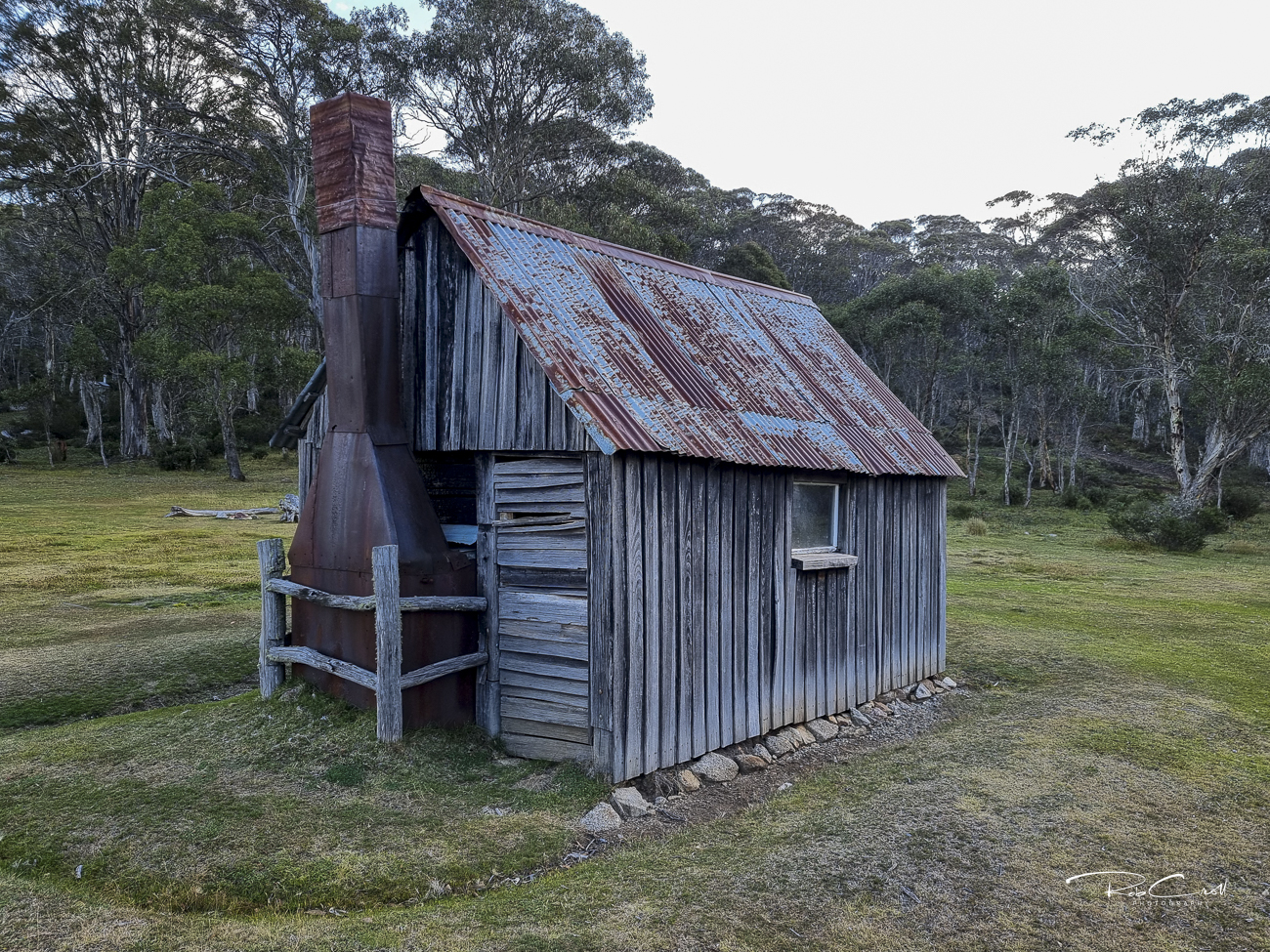
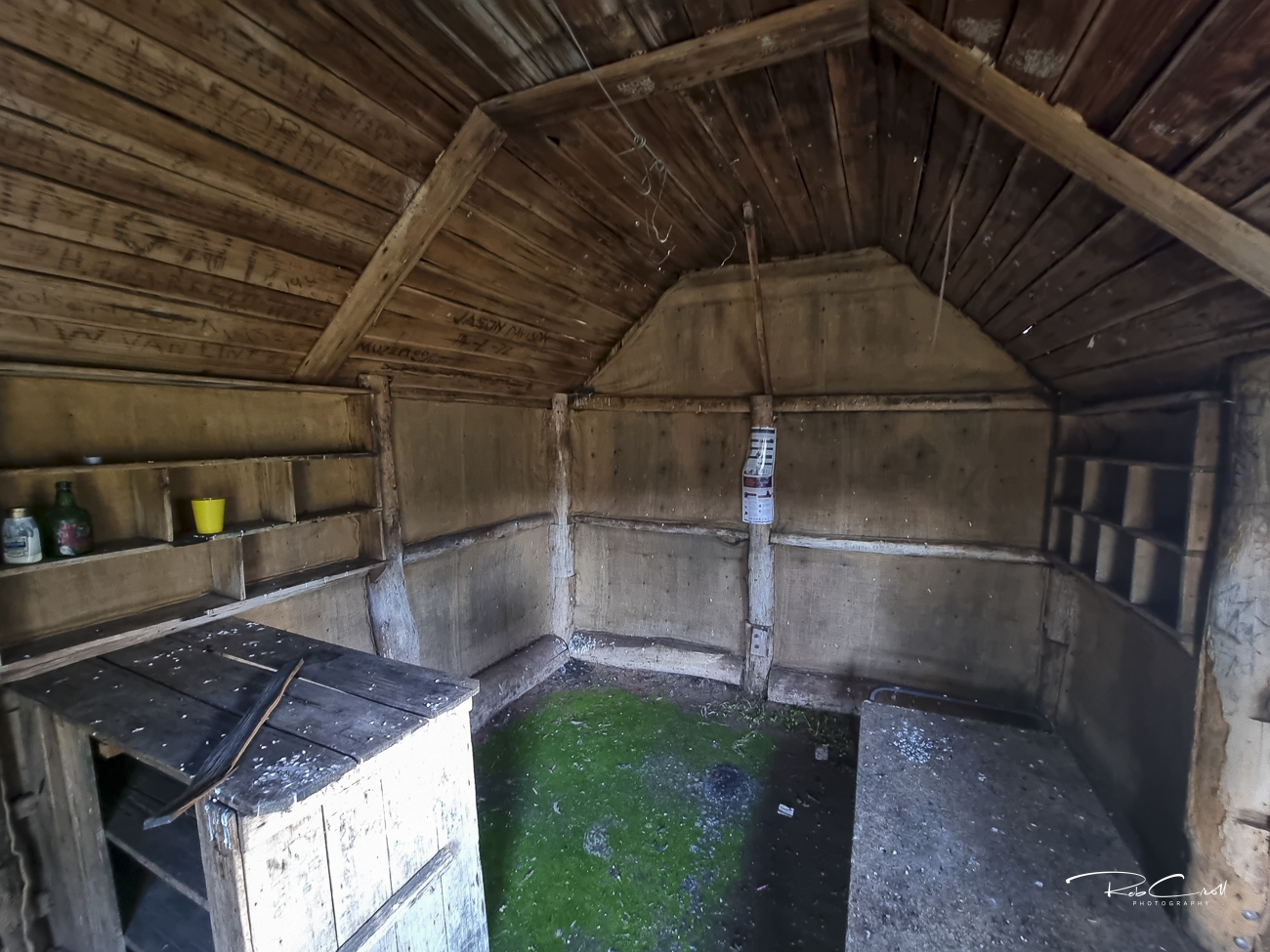
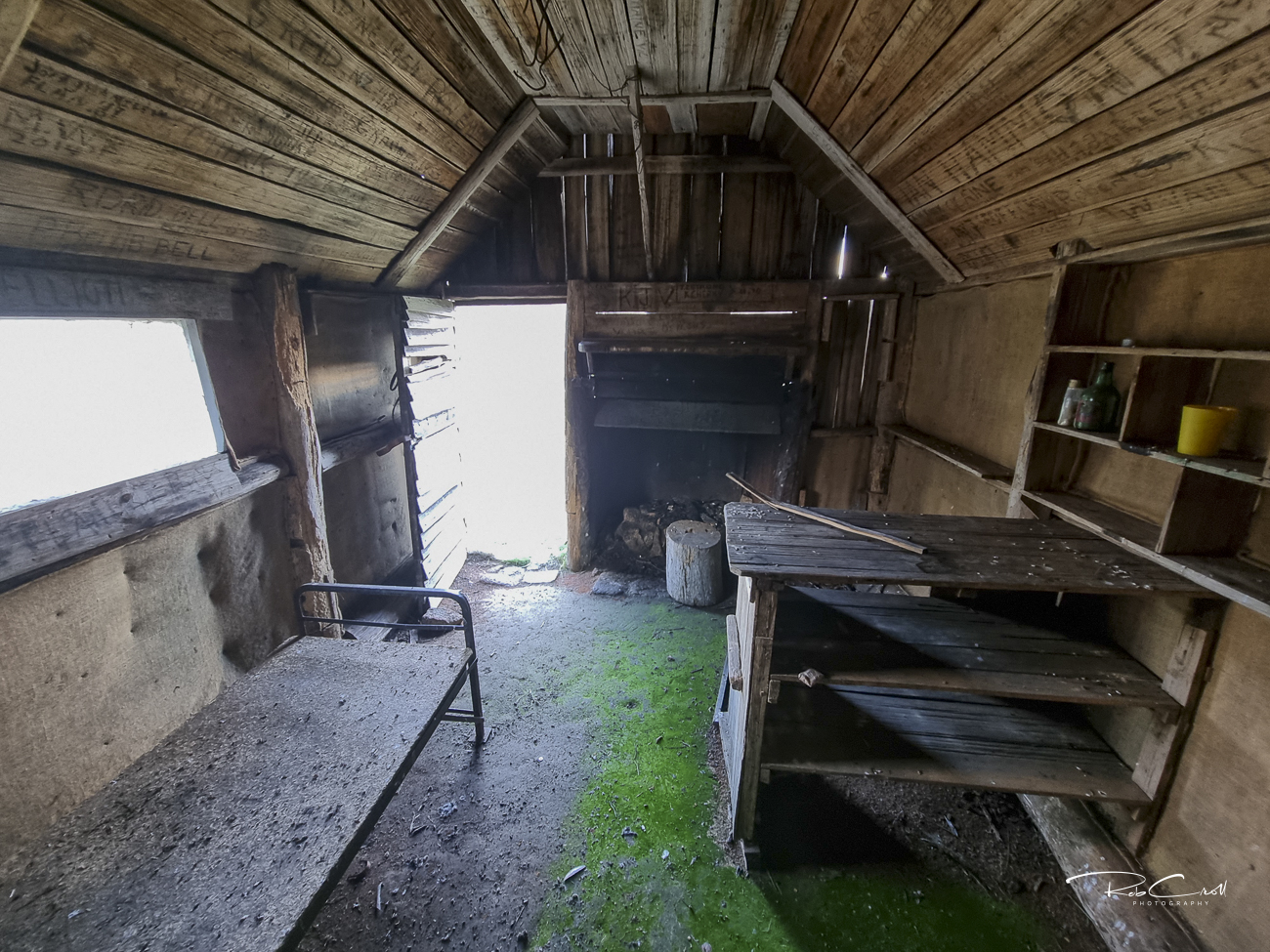
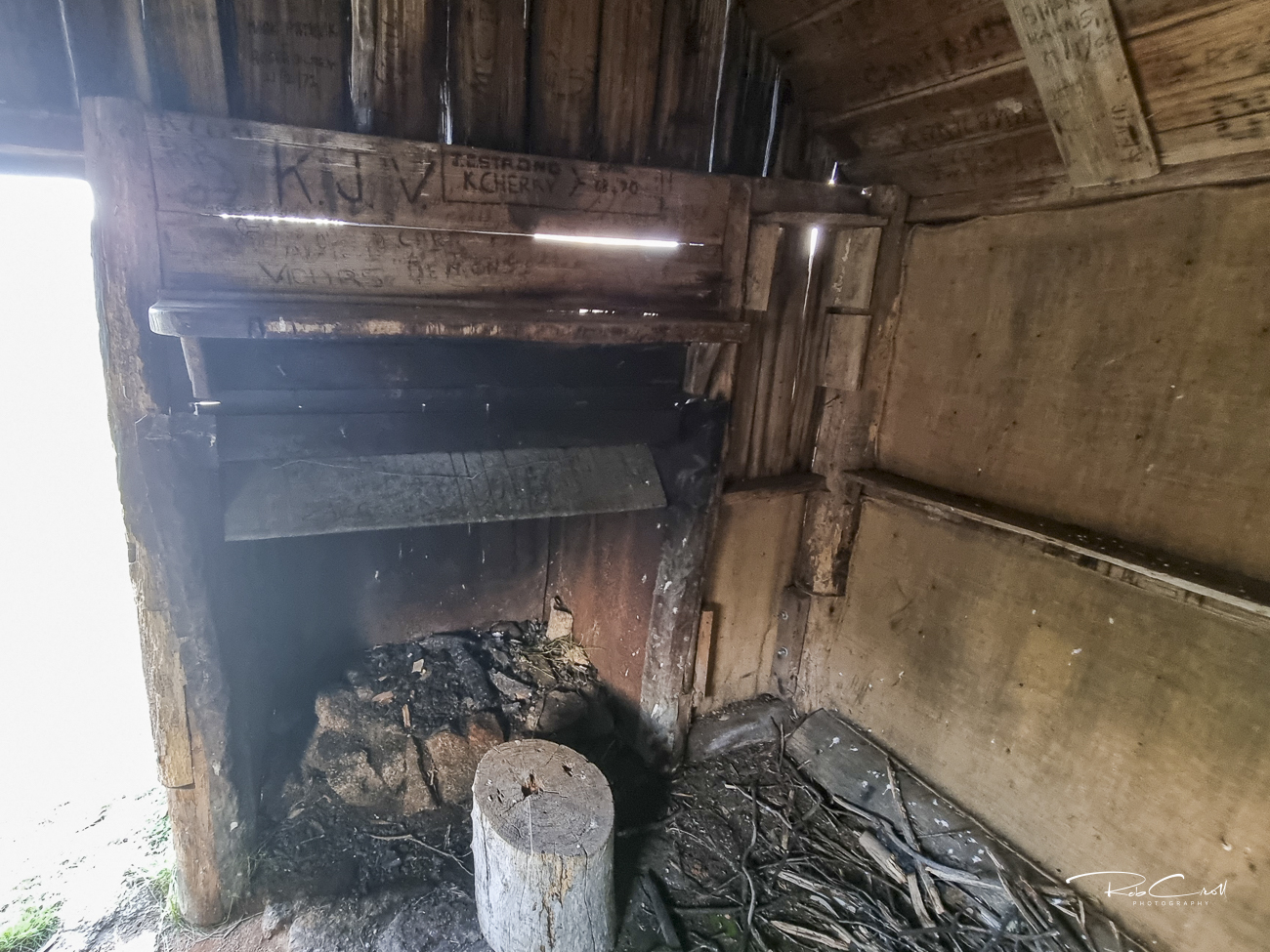
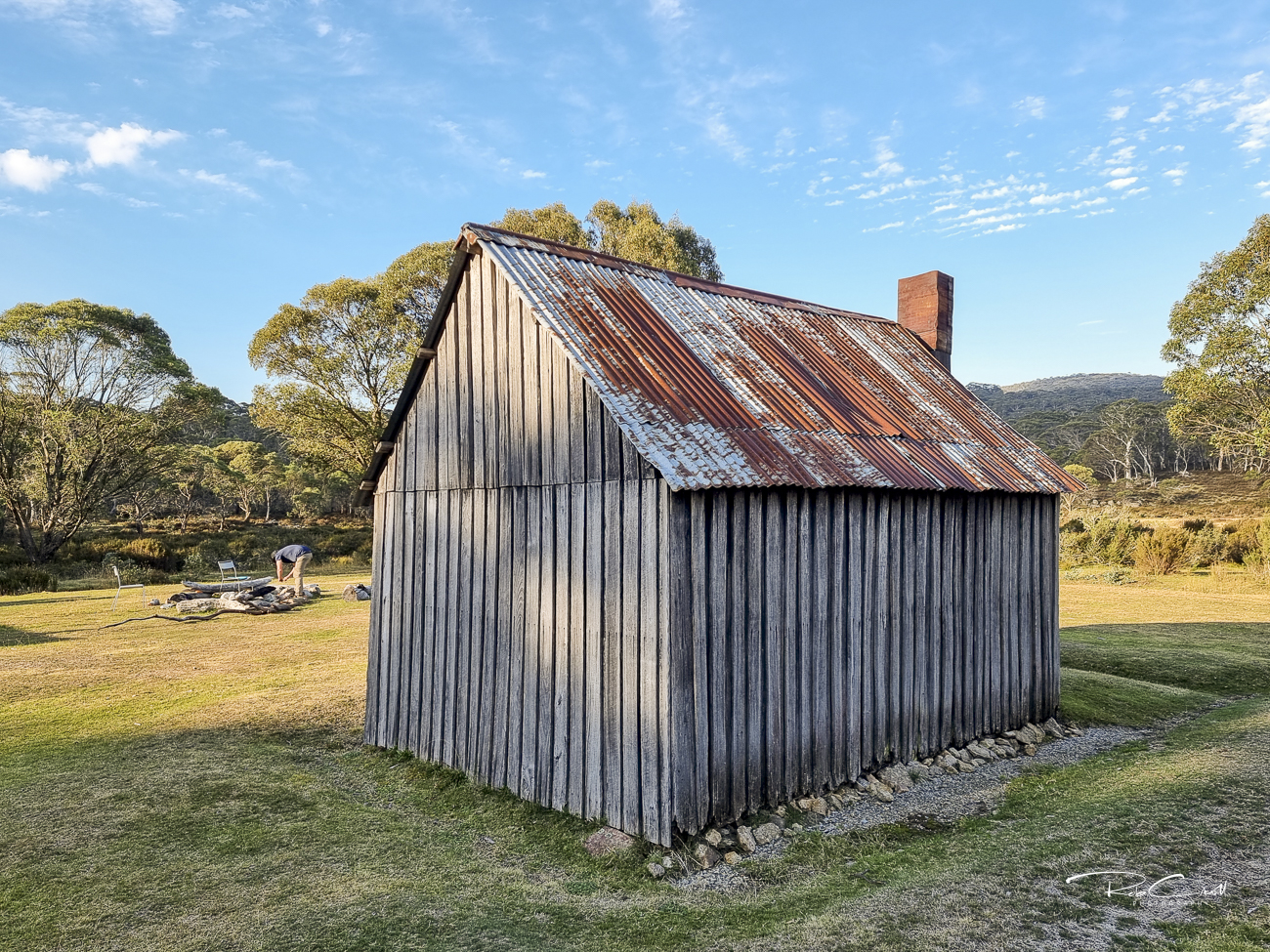
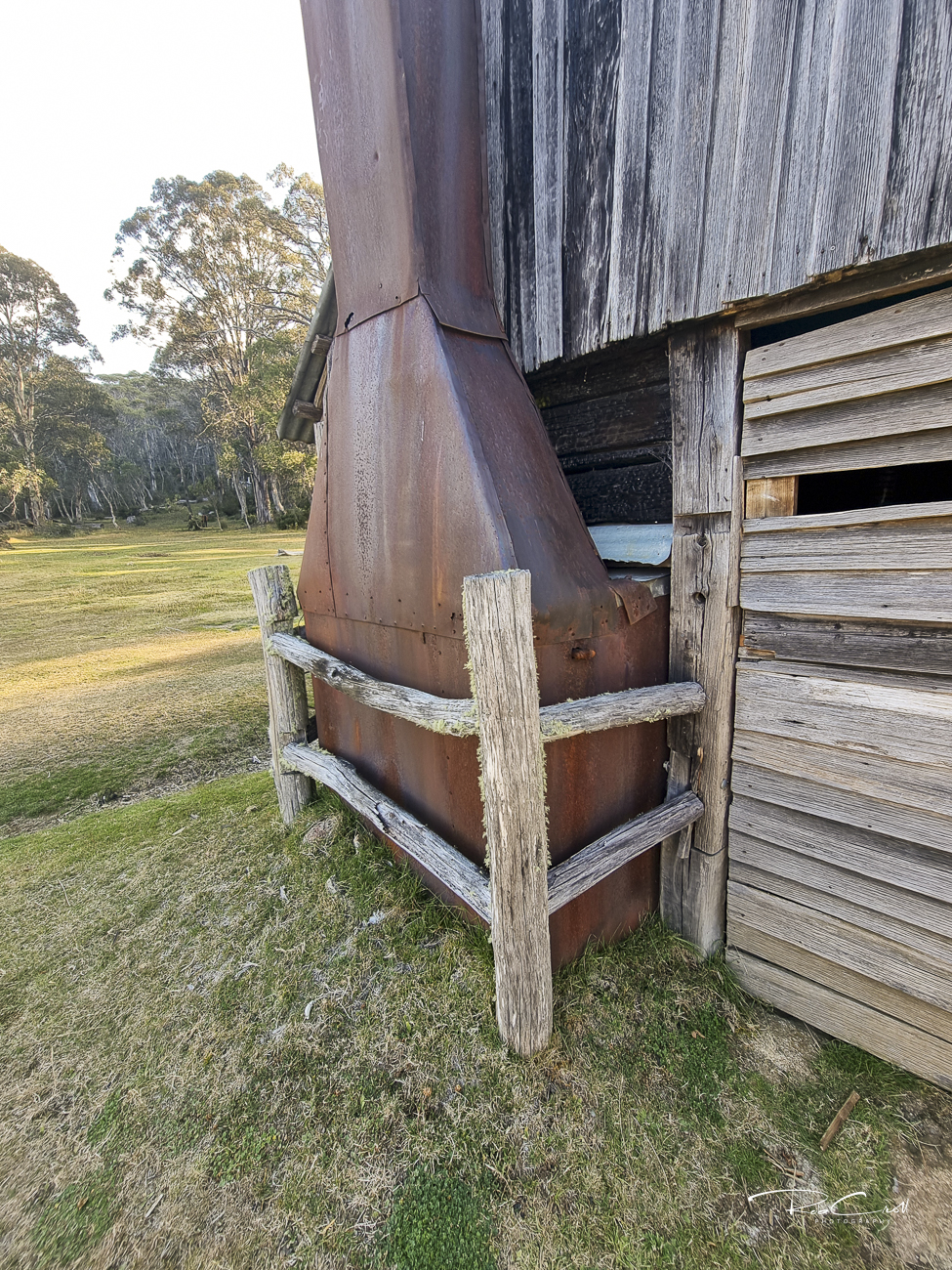
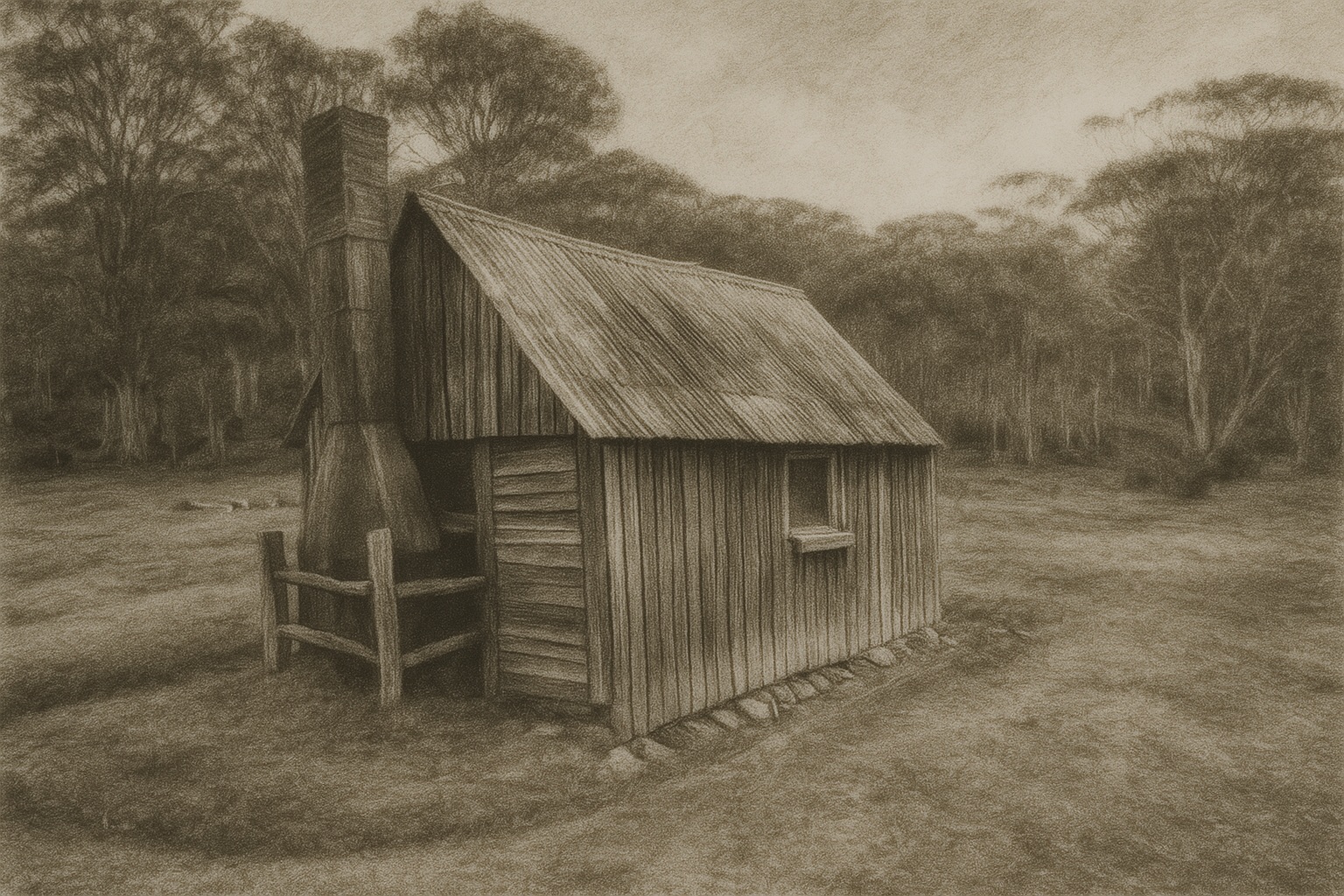
| Built | 1935–36 by Mt Pilot Tin Mining Syndicate |
| Condition | ★★★☆☆ (restored in 1980s by Illawarra Alpine Club) |
| 1873 | Tin mining begins in the Pilot Wilderness region |
| 1935–36 | Mt Pilot Tin Mining Syndicate builds several huts |
| 1938 | Charlie Carter moves in; lives as a hermit and philosopher |
| 1959 | Charlie Carter dies; hut remains abandoned |
| 1980s | Restored by Illawarra Alpine Club as part of heritage conservation |
Charlie Carters Hut is the last surviving accommodation hut from a short-lived tin mining venture in the Pilot Wilderness area of Kosciuszko National Park. Built between 1935 and 1936 by the Mt Pilot Tin Mining Syndicate, it was one of several huts constructed to support mining operations that began in the region as early as 1873. By 1938, most of the mining infrastructure had been abandoned, but this hut remained—and soon became home to Charlie Carter, a reclusive bush philosopher and miner who lived there until his death in 1959.
Carter led a solitary and precarious life, selling brumby hides and doing occasional mining work. His hut, located about 27 km south of Dead Horse Gap on the Tin Mine Fire Trail, became a symbol of resilience and bush living. Known also as Tin Mine No. 1, the hut was restored in the 1980s by the Illawarra Alpine Club, who continue to maintain it as part of their stewardship of alpine heritage sites.
The hut stands as a rare remnant of both the mining era and the lifestyle of solitary bushmen in the Snowy Mountains. Its preservation reflects the efforts of recreational and heritage groups to maintain links to the region’s layered past.
The hut is a compact timber-framed structure with corrugated iron cladding and a pitched roof. It features a stone fireplace, timber bunks, and a small verandah. Restoration efforts preserved the original footprint and materials, with minor upgrades for weatherproofing.
Dick Power of Berridale on 22nd October 1981 2
DP:Them huts were built by the Tin Miners. There were a lot of huts there, they got burnt you know.
KH:There were some burnt? There was a big workshed which is still there. There's Charlie Carter's Hut which is still there with the weatherboards or slabs. Little hut with one window.
DP:That's where the boss slept. That's when the Tin Mines were working , they used to come in from the other side. There was a lot of mining down there. The Freebody s supplied the meat, got a licence, slaughter' s licence.They had draught horses. They had a stable, they had a yard. The fire came over the hill and Carter saved a couple of buildings, he lost some of his pack saddles and things in the shed before he could save the hut.
KH:Which fire was that? '39?
DP:No, no since '39. They had a meathouse there, they had a cook, the kitchen was as long as from here to...
KH:There's a big sort of mess building that's still there with alpine ash and shingles on the roof, or part of the roof's covered with shingles.
DP:They were all shingles in my time, made out of Ash. There was about 40 men working there. I don't know if they got any Tin or not.
DAVE & NEEN PENDERGAST and KEN KIDMAN by Klaus Hueneke, 22 October 1981 3
DP: Always had a tent. Nankervis' built the first huts. Them Tin Mine huts were never built until the war.
KH: Wasn't it middle 30s when they started the mine?
DP: They had camps then, I don't know rightly when they did build the huts. There were tents there in the 36s, 37s. They were in tents then. l They hadn't built huts then, when they built them after, I don't know.
KH: When was the first time you went out there?
DP: I never went to the Tin Mines until after the war. I went to the Tin Mines in '48.
KH: Was the big workshed there when you went in?
DP: No there was nothing there when I went in there, not a thing.
KH: In '48, in the Tin Mines
DP: Not a ruddy thing only old Carter - Oh the huts were there.
KH: There would have been a big workshed, a big mess sort of thing, with alpine ash shingles?
DP: That was Carter's hut, that's the one he lived in then.
KH: There was a little one next to it.
DP: Yes. There was three huts there, one had no roof on it, one was a good hut and one wasn't much good - there were four little huts there altogether. That was in '48.
KH: And Charlie was there then?
DP: Yes.
KH: How long had he been there since he got out of gaol, his exploits up north, when did he come back there, do you know?
DP: He came back in '32 I think in the depression - '31-'32.
KH: Was he here before that ?
DP: He was he before that, yeah,
...
DP: We went to Charlie Carter's hut up here, where he was living with Charlie Finn, me and my Uncle Leight Doran(?). We were having dinner with Carter and Finn comes in - we're eating Carter's bread, his damper ... "Don't eat that bloody stuff it's got a bloody gall cure in it". He was putting something in it to cure the gall. I don't know what was in it, but there was nothing wrong with the bread, it never killed us, it must have been alright.
Charlie Carters Hut is listed in the KNP Plan of Management Schedule L.32 and supported by a KHA Conservation Brief. It lies within the Pilot Wilderness Area, requiring low-impact visitation and seasonal monitoring.
The hut is maintained by NPWS and volunteers from the Illawarra Alpine Club, with emphasis on preserving its mining-era character and interpretive value.
Notes from 'Kosciuszko National Park Huts Conservation Strategy' October 20054