Photos
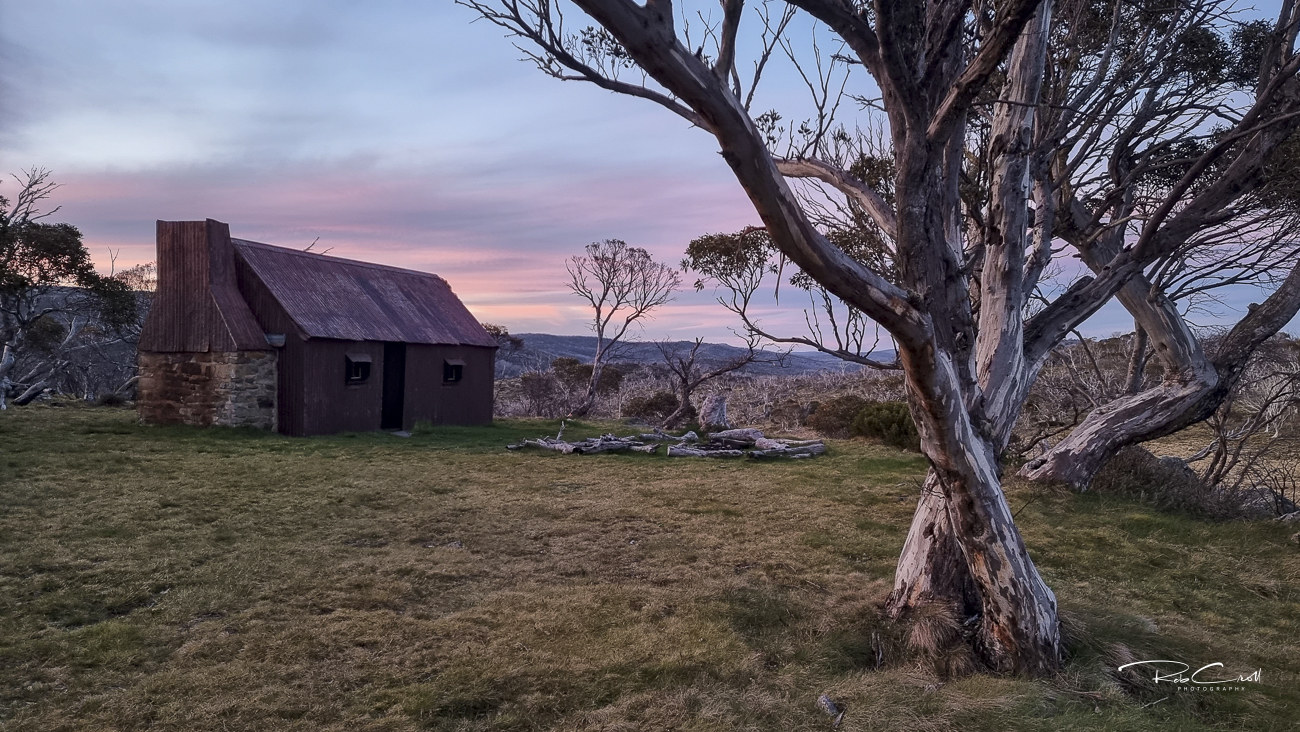
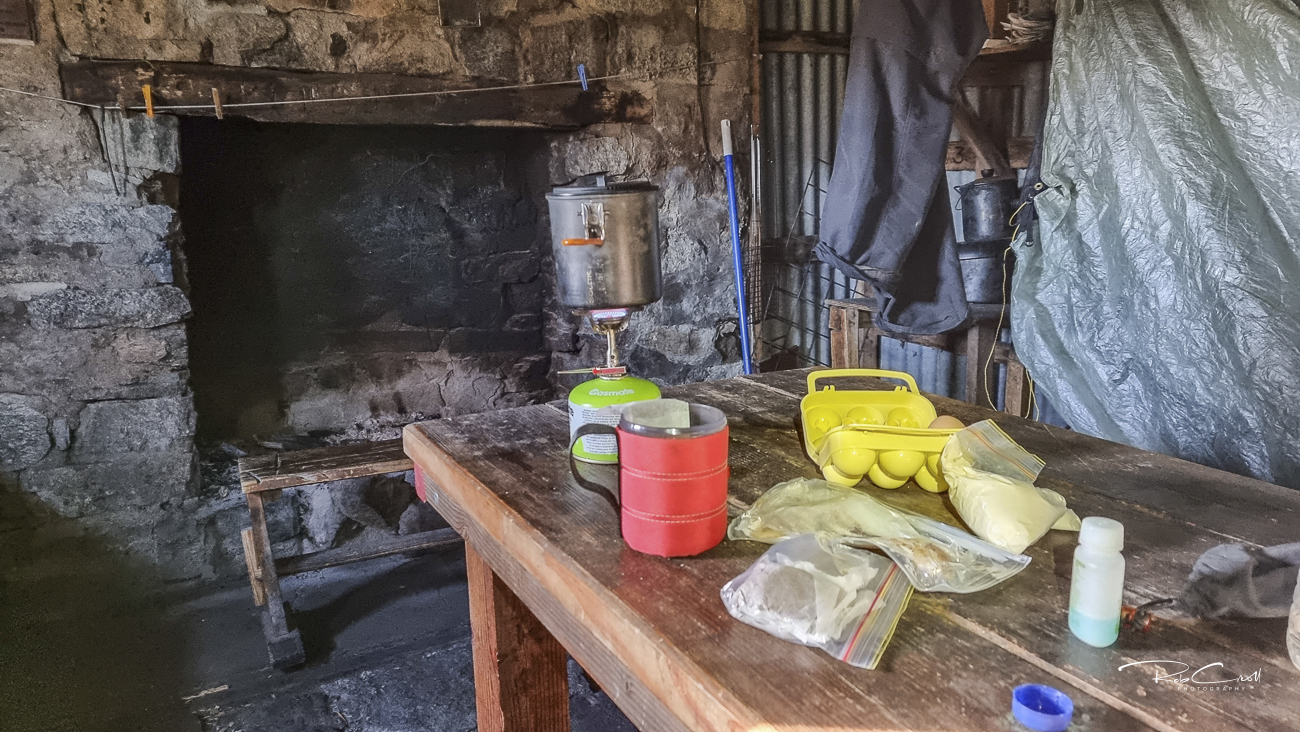
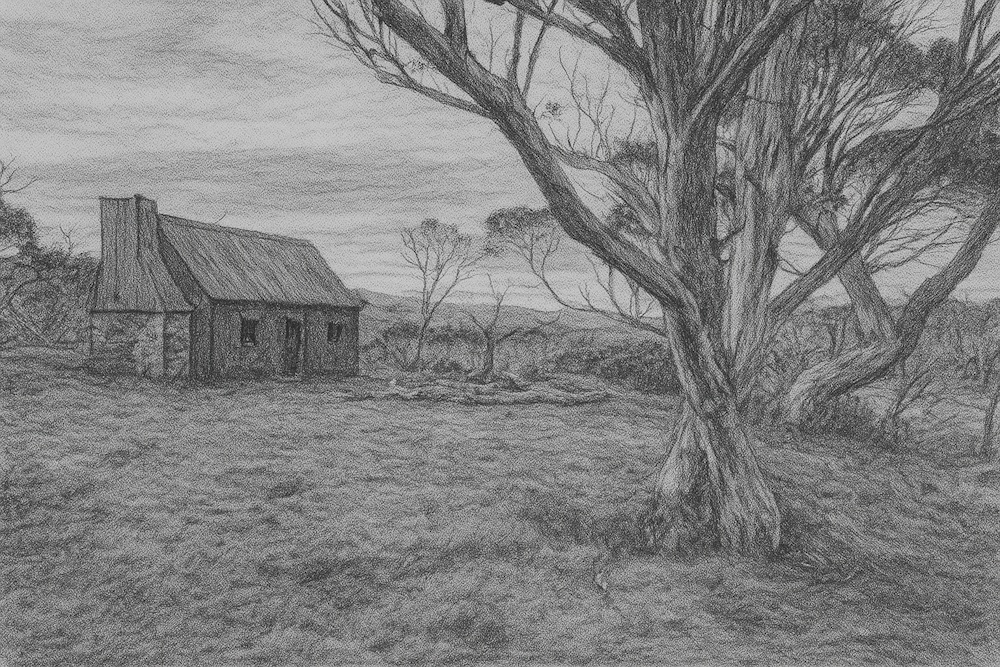
| Built | 1942 by Cecil O'Brien and Jack Bolton |
| Condition | ★★★★☆ (substantial and well-maintained) |
| 1942 | Constructed for grazing and Pastures Protection Board use |
| 1970s–90s | Surrounded by private lodges; site of wilderness protection disputes |
| 2000s–present | Maintained as a key survival hut in the Jagungal region |
Cesjacks Hut was built in 1944 by Cecil O’Brien and John Bolton as a stockmen’s shelter on their newly acquired snow lease, Block Z11, in the northern reaches of Kosciuszko National Park. Originally referred to as “Cec & Jack’s Hut,” the name gradually shortened to “Cesjacks.” The hut was constructed during their second summer on the lease, after camping the first year while fencing the boundaries. Materials were purchased in Cooma, cut to size, and transported to the site by Noel Clarke. The hut was erected quickly with help from Cecil’s son Tom and other family members, and the stone fireplace was added the following year using locally quarried stone hauled in by draught horse.
The site had a long pastoral history, with grazing in the surrounding valleys dating back to the mid-19th century. By 1899, Archibald Rial held a lease over the area, followed by MW Robertson in 1917 and AS O’Keefe in 1931, who built a hut on the north side of Mt Jagungal. The land was reconfigured into smaller snow leases in 1943 due to overstocking, and O’Brien and Bolton acquired their 1,790-acre block. They ran about 1,500 sheep and 35 cattle each summer, driving them up from Kalkite over several days, with camps along the way. Harsh alpine conditions often forced them to cut snow gum branches to feed sheep or drag tree limbs as crude snow ploughs to expose grass.
The hut was built on the edge of a former Camping and Water Reserve, part of a historic stock route from the upper Murray to the Monaro. Nearby wire yards were used for final mustering before droving stock home. Bolton developed “let-down” fences that could be laid flat to avoid snow damage, and rock salt was placed strategically to gather stock for departure. After grazing was banned above 1,370 metres in 1958, the Pastures Protection Board used the hut for a time, and in the 1970s, the Macquarie Mountaineering Society added a sleeping platform and floor. NPWS later painted the hut and added a pit toilet in 1986.
Cesjacks became a popular base for cross-country skiers accessing Mt Jagungal. In the late 1970s and early 1980s, private ski lodges were built just outside the park boundary, sparking controversy and eventual demolition of several structures. Cesjacks itself was nearly lost in this process, but a campaign by the Kosciuszko Huts Association saved it. The hut remains a vital waypoint for recreational users and a rare surviving example of mid-century alpine pastoral infrastructure.2
Cesjacks Hut measures approximately 6.5m × 3m. It features corrugated iron walls and roof, a timber floor, and a robust chimney of rock, cement, and iron. The site includes a locked shed and a drop toilet. The structure is substantial and well-suited to alpine conditions.
Dick Power of Berridale on 22nd October 1981 3
KH:Yes that's something you said when you used fires as a signal when you were out at Cesjacks Hut.
DP: Yes.
KH: Were you involved in the building of Cesjacks?
DP: No. No.
KH:: Yes, because that's a very recent hut I think, 1941 or something.
DP: Cecil O'Brien, he had the store in Berridale and he owned a little farm here and another up on the Rocky Plain Road. Jack Bolton, Jack and Cecil got a lease, Ken Hain and his brother-in-law got a lease and they all went into one big block. They brought the timber and Jack Bolton and Cecil O'Brien built the hut! It was named Cesjack, see Cecil and Jack, and I think one of the McPhies brought that up. See McPhie's never worried about the hut, they were big cattle owners and they owned Grey Mare right through.
Cesjacks Hut is listed in the KNP Plan of Management and holds high recreational and survival value. It is one of the few remaining huts in the Jagungal wilderness corridor, preserved despite the removal of nearby lodges such as Katingal, Nordheim, and Jaanga.
Cesjacks Hut is maintained by NPWS and KHA volunteers. Stewardship efforts focus on fire resilience, access management, and interpretive documentation. The hut remains a vital waypoint for backcountry travel and emergency shelter.
Notes from 'Kosciuszko National Park Huts Conservation Strategy' October 20054