Photos
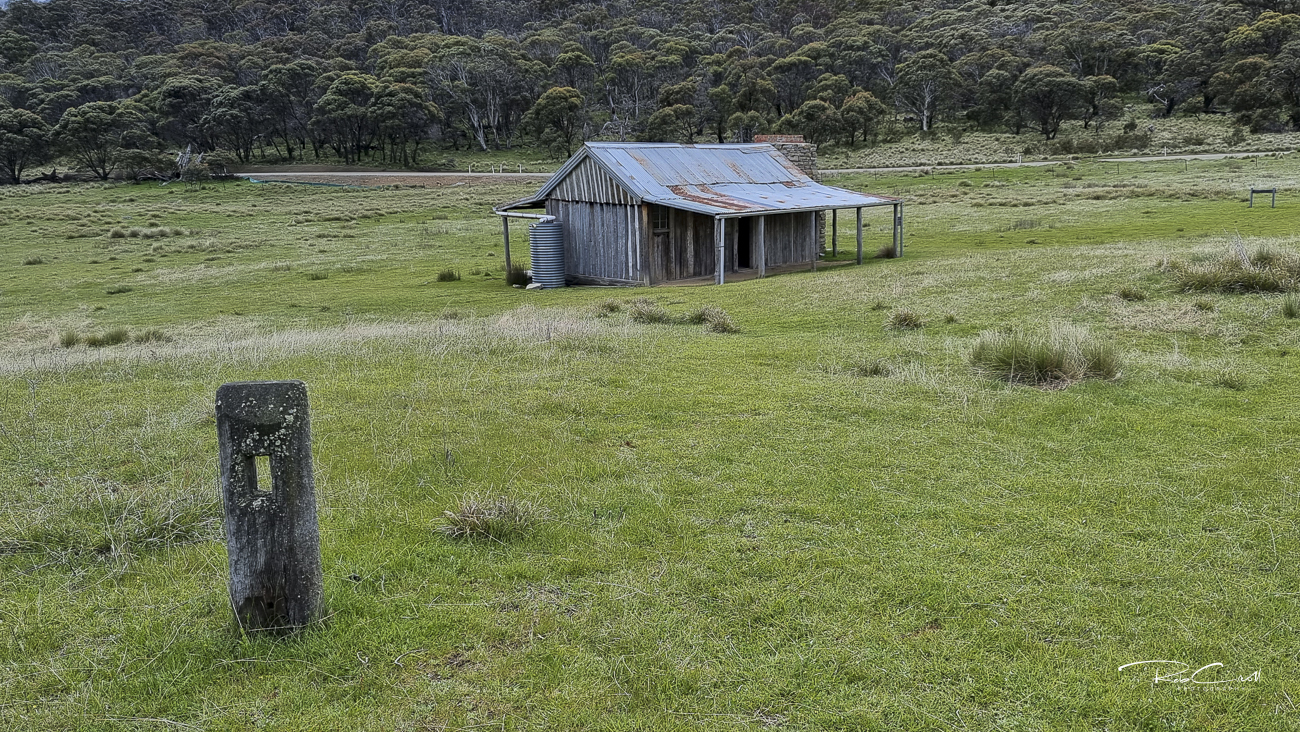
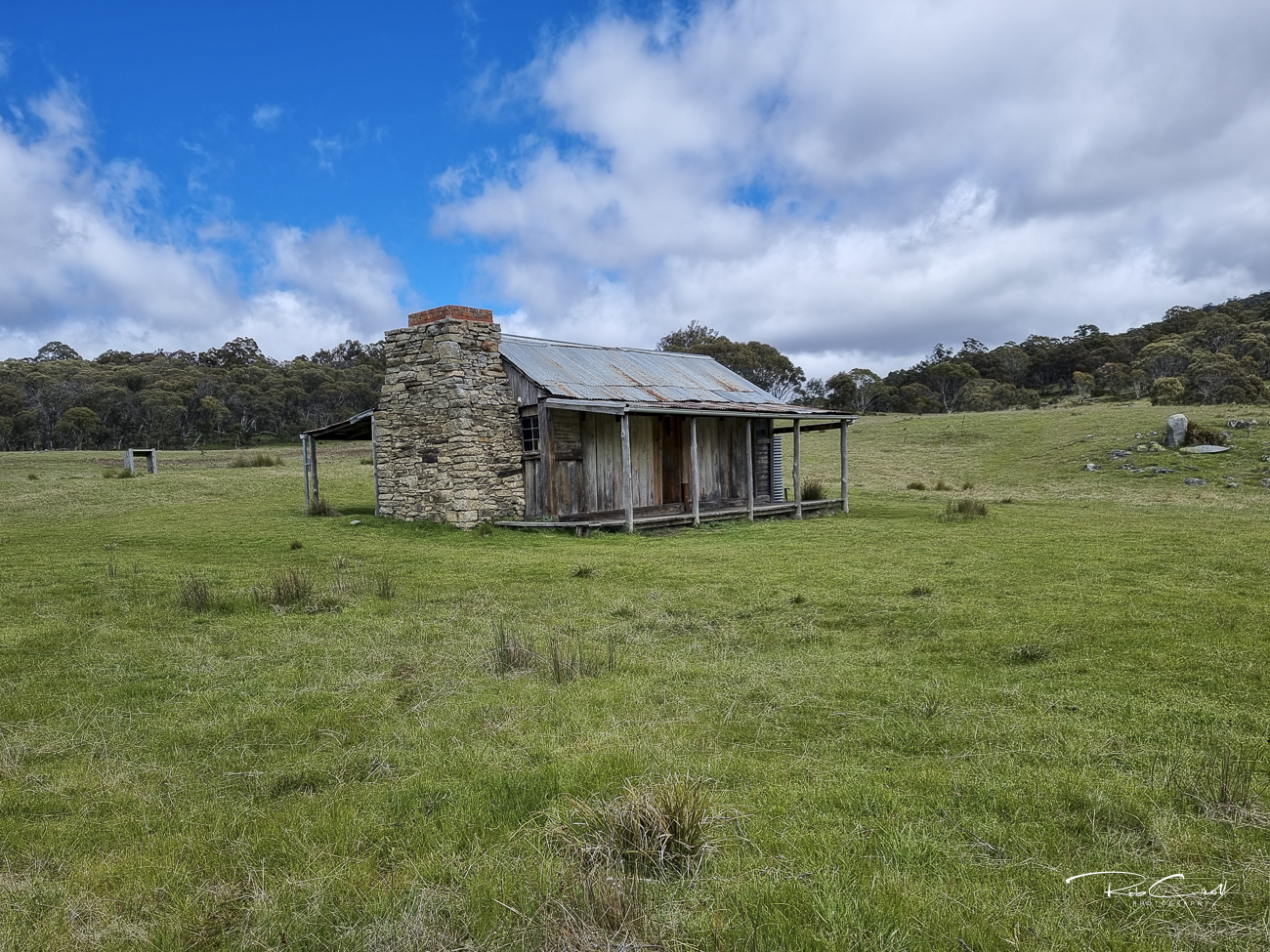
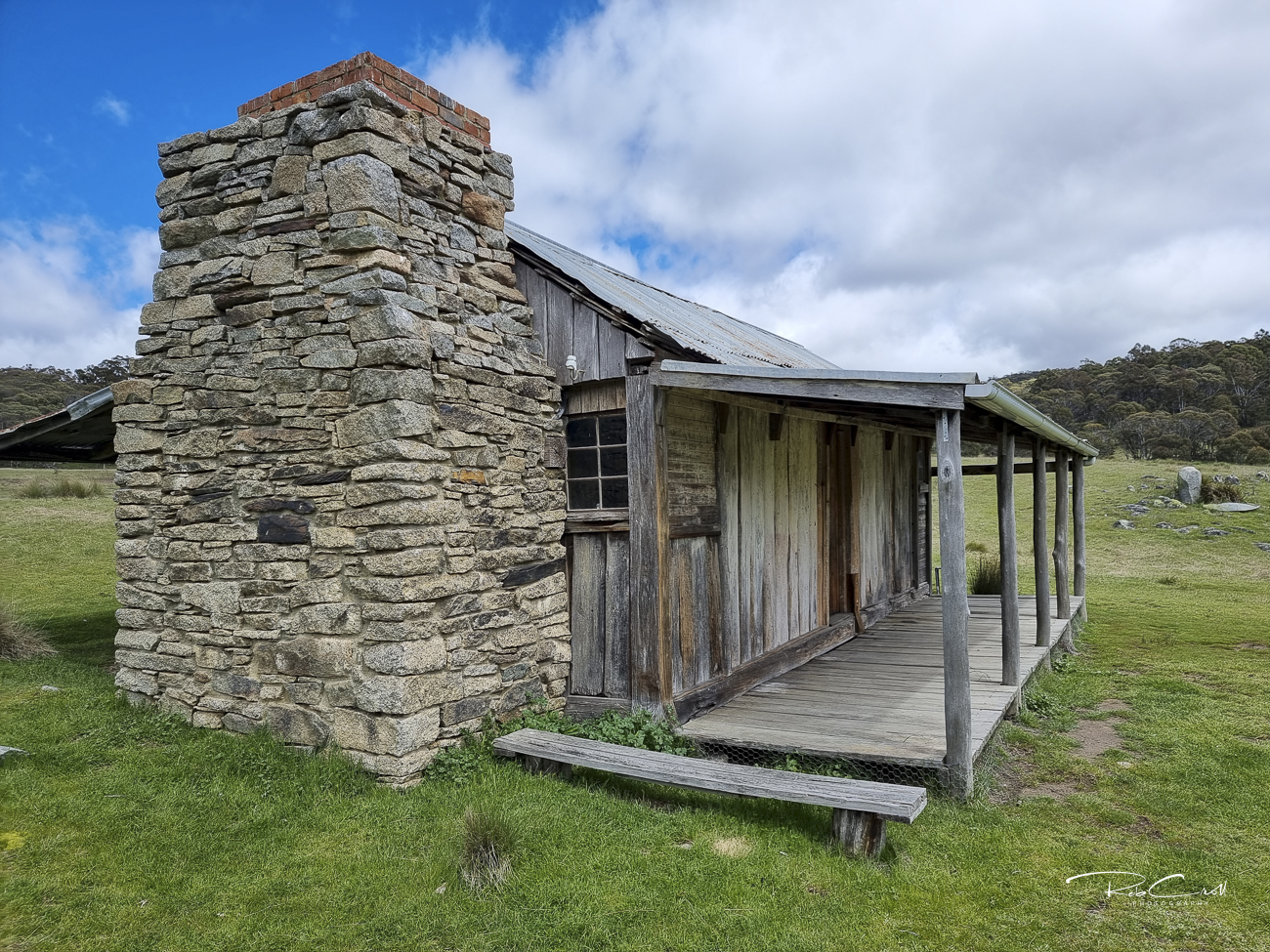
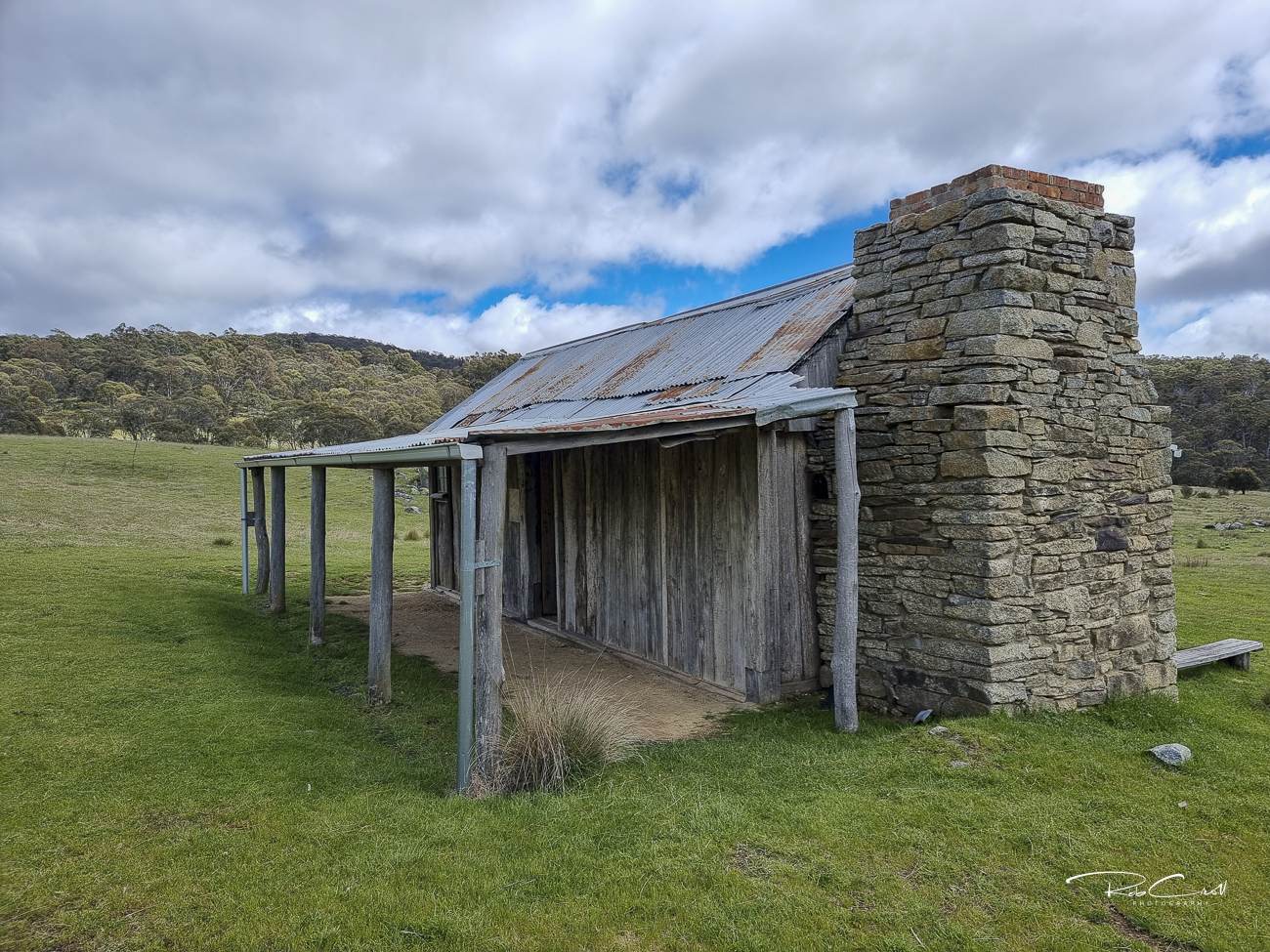
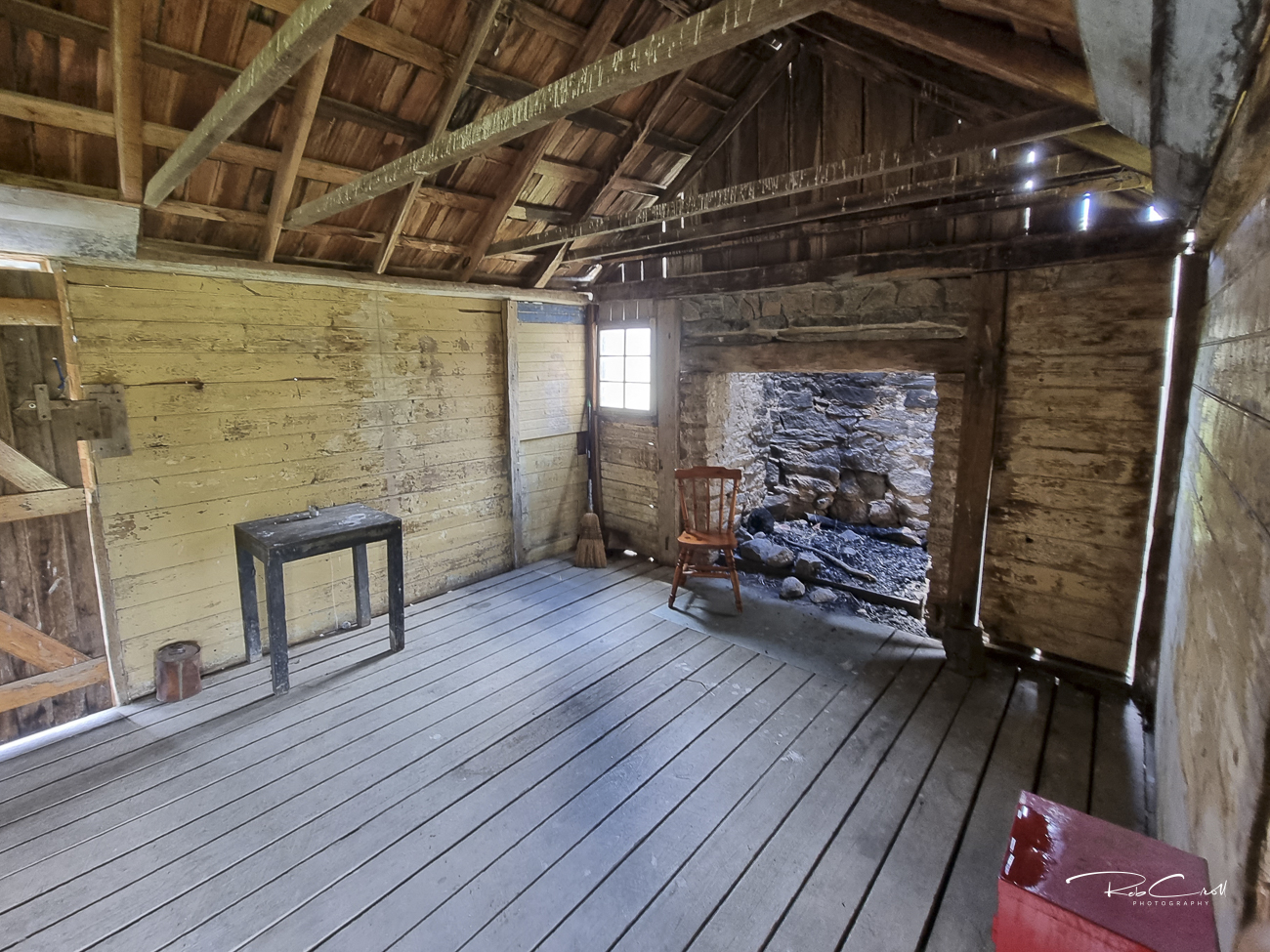
Created by Copilot AI and may not be accurate. Awaiting review
| Built | 1903 by Edward Brayshaw for Davey Brayshaw |
| Condition | ★★★★☆ (restored; heritage listed) |
| Location | Namadgi National Park, beside Boboyan Road |
| Alternate Names | Daveys, Curtis’s, Russells, Tin Dish School (adjacent) |
| 1903 | Built by Edward Brayshaw for his son Davey |
| 1930s–60s | Occupied by Henry and Iris Curtis; fibro extensions added |
| 1980s | Restored to original form; extensions removed |
Brayshaws Homestead was built in 1903 by Edward Brayshaw for his son Davey, one of nine children born to William and Flora Brayshaw. Davey lived here until his death in 1931. The homestead supported grazing and was later used as shearers’ quarters.
In the 1930s, the property was occupied by the Curtis family, who added fibro and timber extensions. These were removed during restoration in the late 1980s, returning the building to its original slab form. The site is now a key waypoint on the Settlers Track.
The homestead is a timber slab structure with a corrugated iron roof, stone fireplace, and weatherboard cladding on later additions. The interior includes a single room with a hearth, table, and chairs. Restoration removed non-original extensions and stabilized the original frame.
Nearby are the ruins of the Tin Dish School, officially the Boboyan Subsidised School, built in 1907 and closed in 1910. Only stone hearth blocks remain.
Brayshaws Homestead is listed on the ACT Heritage Register and the KHA Namadgi register as site 1803. Restoration was completed in the 1980s and the site is actively maintained. It forms part of the Namadgi Historic Homestead Triangle alongside Westermans and Waterhole Hut.
The homestead is maintained by ACT Parks and supported by KHA volunteers. Interpretive signage is present and highlights its grazing history, family legacy, and architectural features. Access is direct from Boboyan Road with a short walk over a stile.