Photos
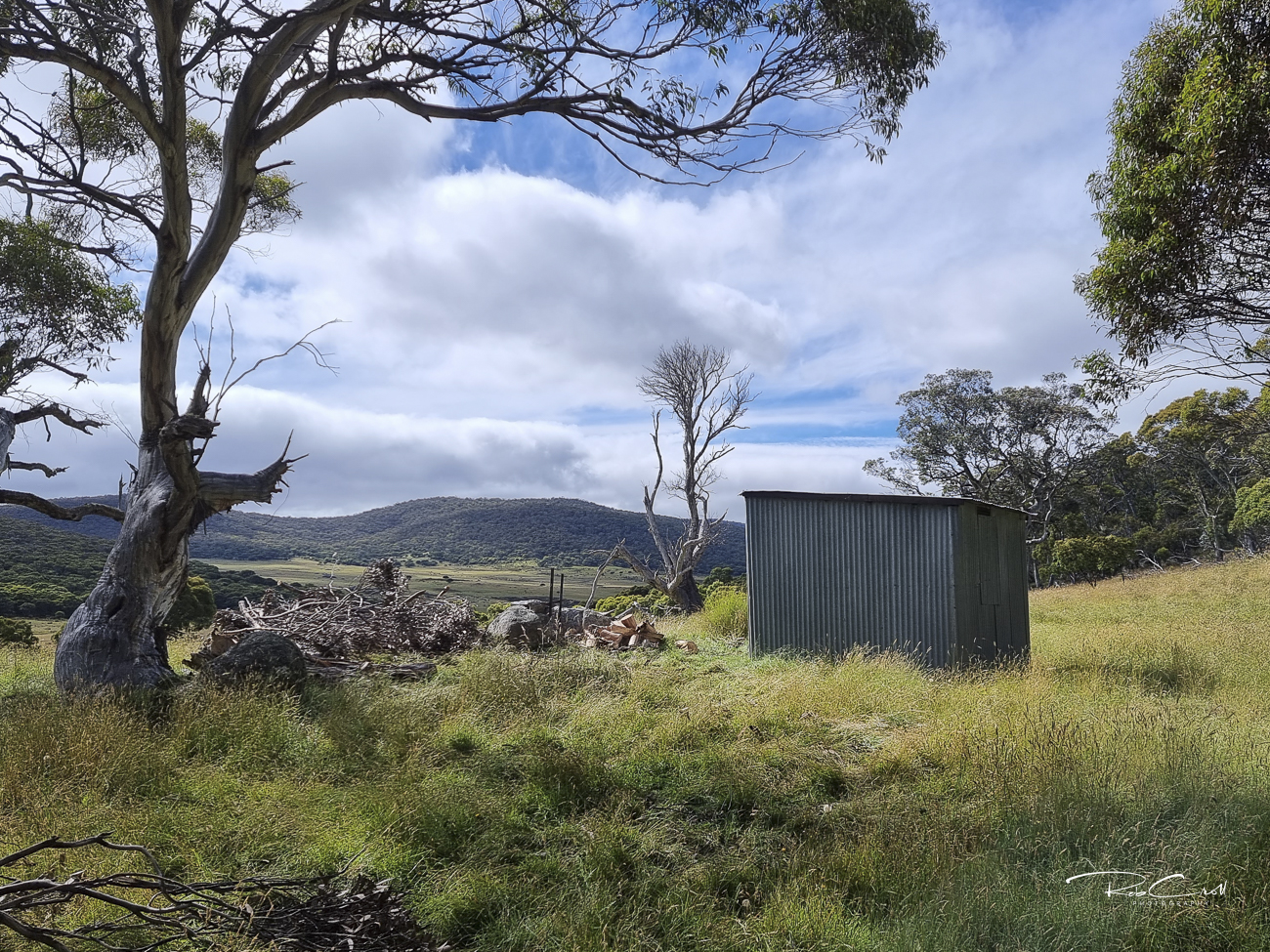
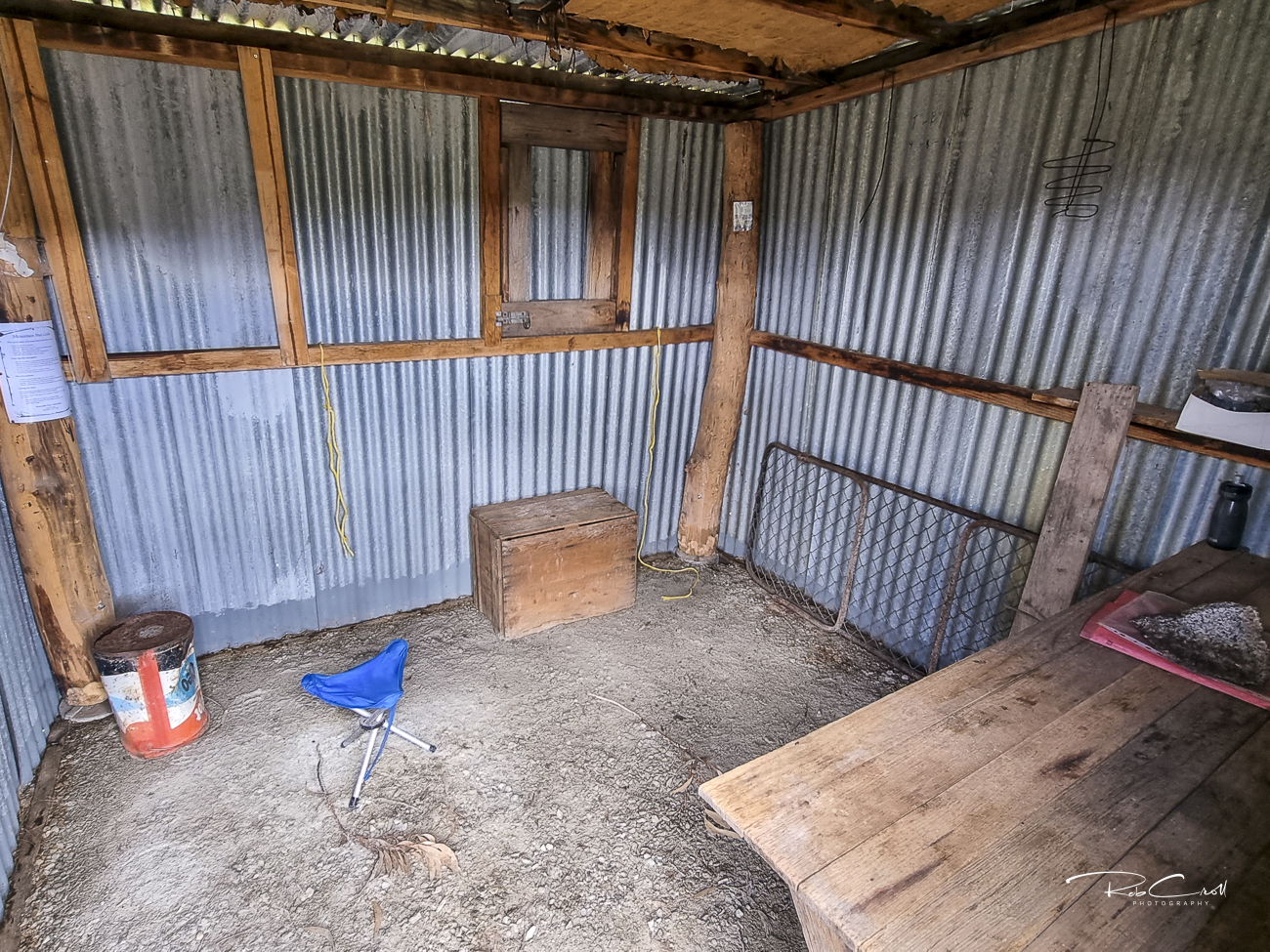

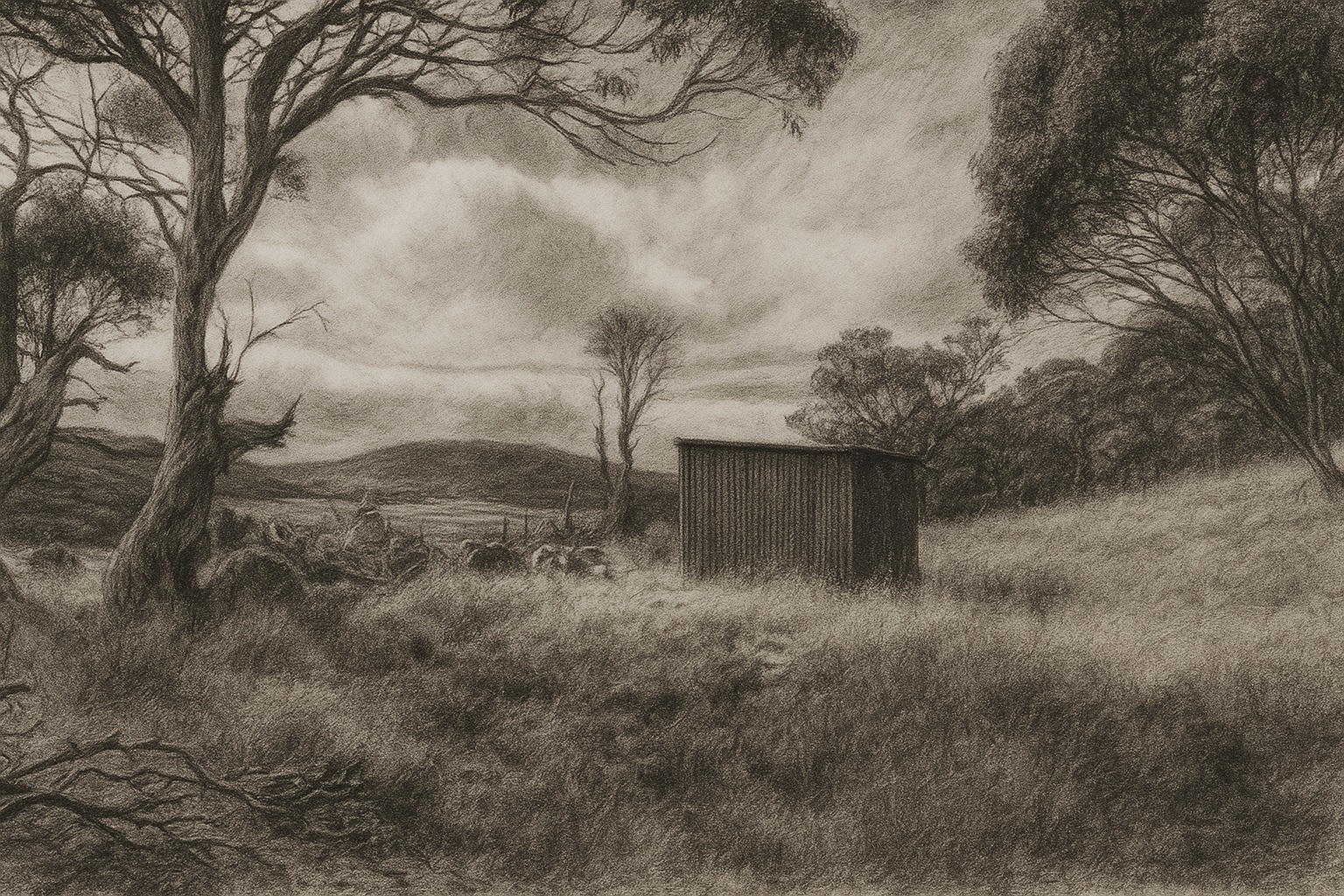
| Built | 1962 by Lindsay and Owen Willis |
| Condition | ★★★☆☆ |
| 1920s–30s | Willis family camps established for seasonal grazing |
| 1962 | Hut constructed on site by Lindsay and Owen Willis |
| 1980s–90s | Used by fishermen and shooters; minor repairs documented |
| 2000s | Recorded by KHA; remains accessible via Snowy Plain trails |
| 2020s | Maintained under passive conservation; structure intact |
Botherum Hut was built in the spring of 1962 by Lindsay Willis and his son Owen, with materials partly funded by Jack Willis’s son Henry. It was constructed late in the family's tenure on the lease, at a time when the end of alpine grazing was imminent. The hut’s design was intentionally simple—no fireplace, no window, just a corrugated iron shell over a timber frame with an earth floor and a basic table, stools, and camp stretchers. Cooking was done outside when weather permitted, or inside using a 44-gallon drum during foul conditions. The Willis family had grazed sheep on the Botherum Plain since 1927, running 1200–1500 sheep each summer, and traveling up from their homestead near Jindabyne via Kalkite Gap.
The land itself had a long pastoral history, originally part of the Kalkite squatting run established in the late 1830s. Over the decades, it passed through the hands of various leaseholders and selectors, including the Jackson and Cunningham families of Lanyon and Tuggeranong, and later Charles Williamson, who sold the lease to Thomas Willis in 1927. The Willis family managed the lease until its resumption for public recreation in 1966, when the area was incorporated into Kosciuszko National Park.
The hut was built on a raised site above the Gungarlin River, chosen to avoid frost and westerly winds. Nearby were remnants of old sheep yards and a timber stockbridge used to cross the river during spring snowmelt. The Willis family maintained the bridge and yards, and their seasonal movements were marked by practical routines and vivid recollections—such as sewing up an injured sheep with wire, or Jack Willis claiming to have shot the last brumby on Snowy Plains.
Botherum Hut stands today as one of the most rudimentary stockmen’s huts in the park, a quiet marker of the final years of alpine grazing and the resilience of families who worked the high country.4
The hut is a square structure measuring approximately 2.8m × 2.8m, clad in corrugated iron and lined with tar paper. It features a single shutter, timber door, and compact interior. There is no fireplace, and the floor is earthen. The hut’s simplicity reflects its purpose: short-term shelter in a remote grazing zone.
It is not heritage-listed, but is recognized under the Kosciuszko Huts Conservation Strategy for its historical value as a late-period grazing hut.
Conservation efforts focus on minimal intervention, preserving the hut’s original materials and footprint. The site is occasionally impacted by recreational use, prompting monitoring of soil and vegetation.
The hut is maintained by the Kosciuszko Huts Association in partnership with NPWS. It remains unlocked and accessible to walkers. Stewardship efforts prioritize structural integrity and passive conservation.