Photos
| Built | 1973 by Hume-Snowy Bushfire Council |
| Condition | ★★★★☆ |
| 1973 | Constructed to support fire tower watchers in the Black Jack Mountain region |
| 1980s–90s | Associated sheds and auxiliary structures removed; main hut retained |
| 2000s | Access limited due to firetrail closures and weather conditions |
| 2020s | Maintained in good condition; remains locked and weather-exposed |
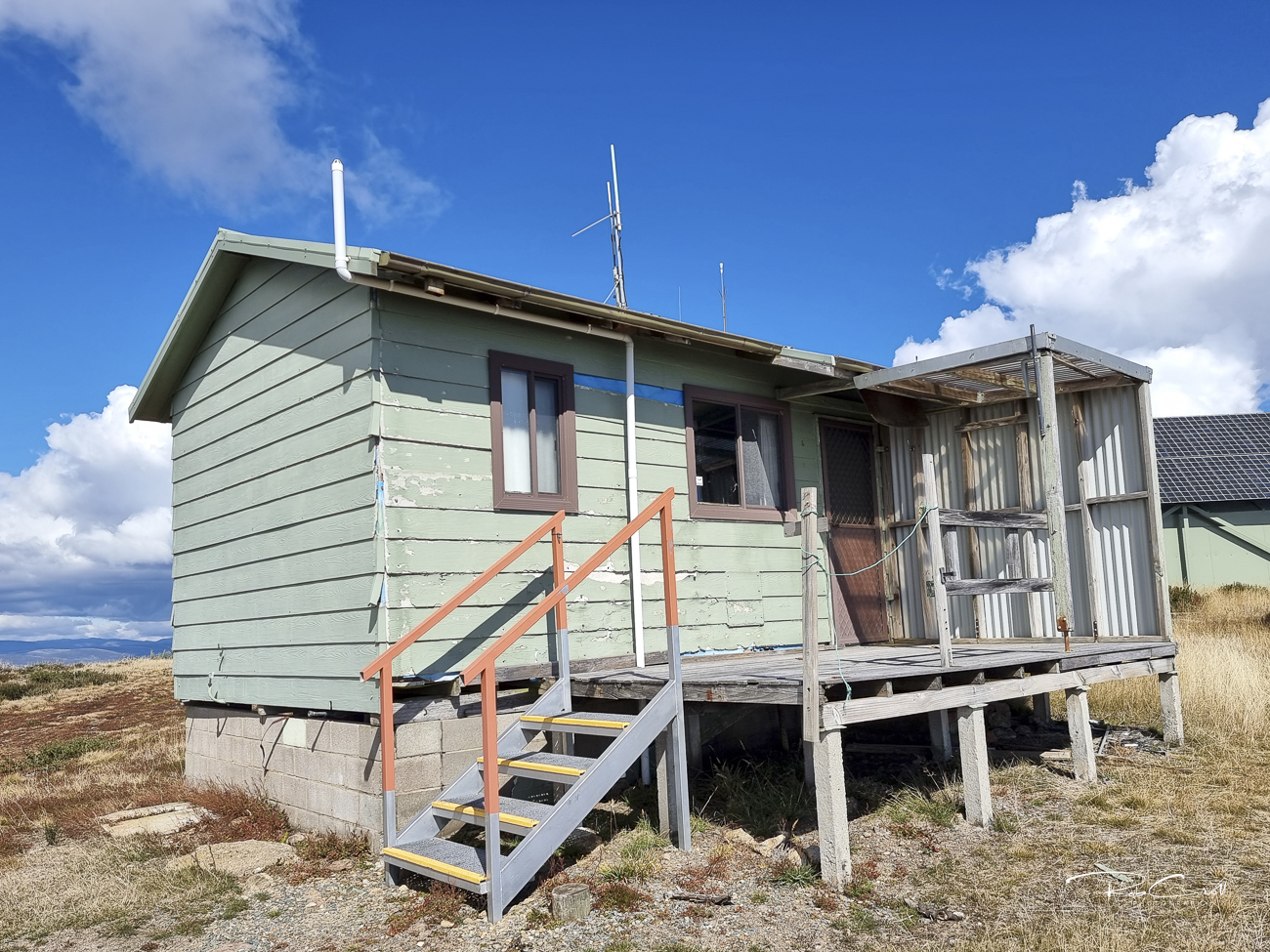
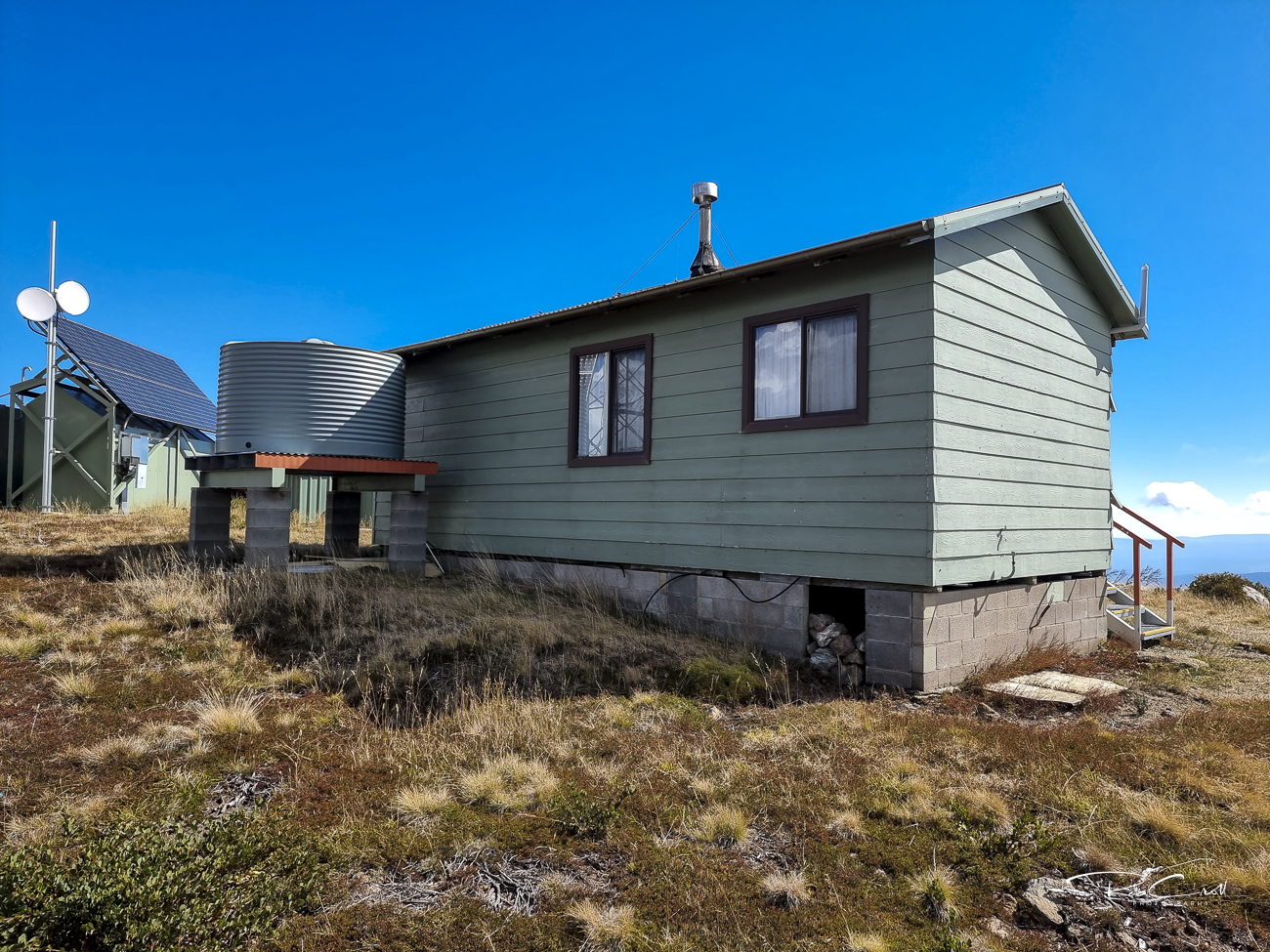
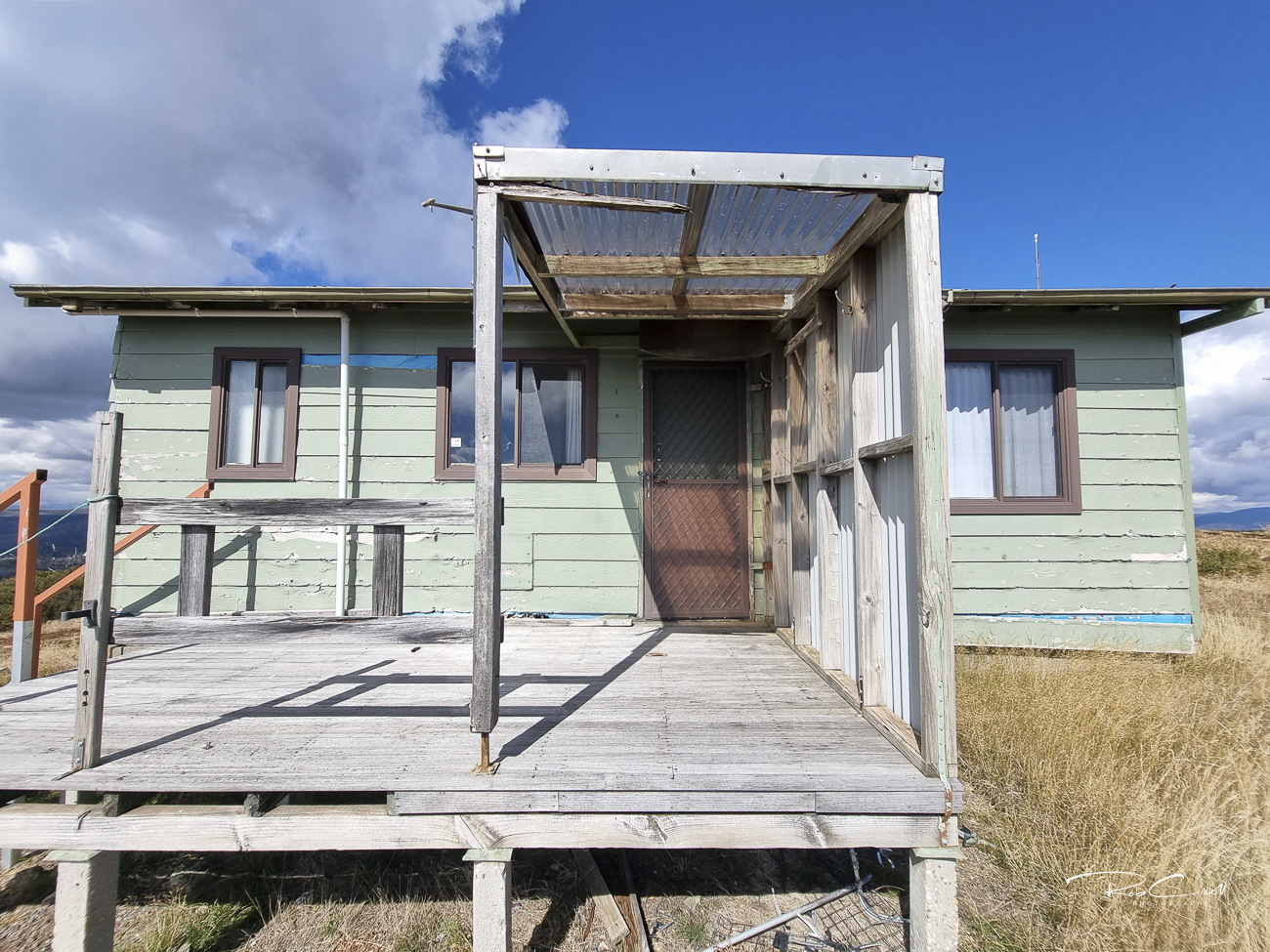
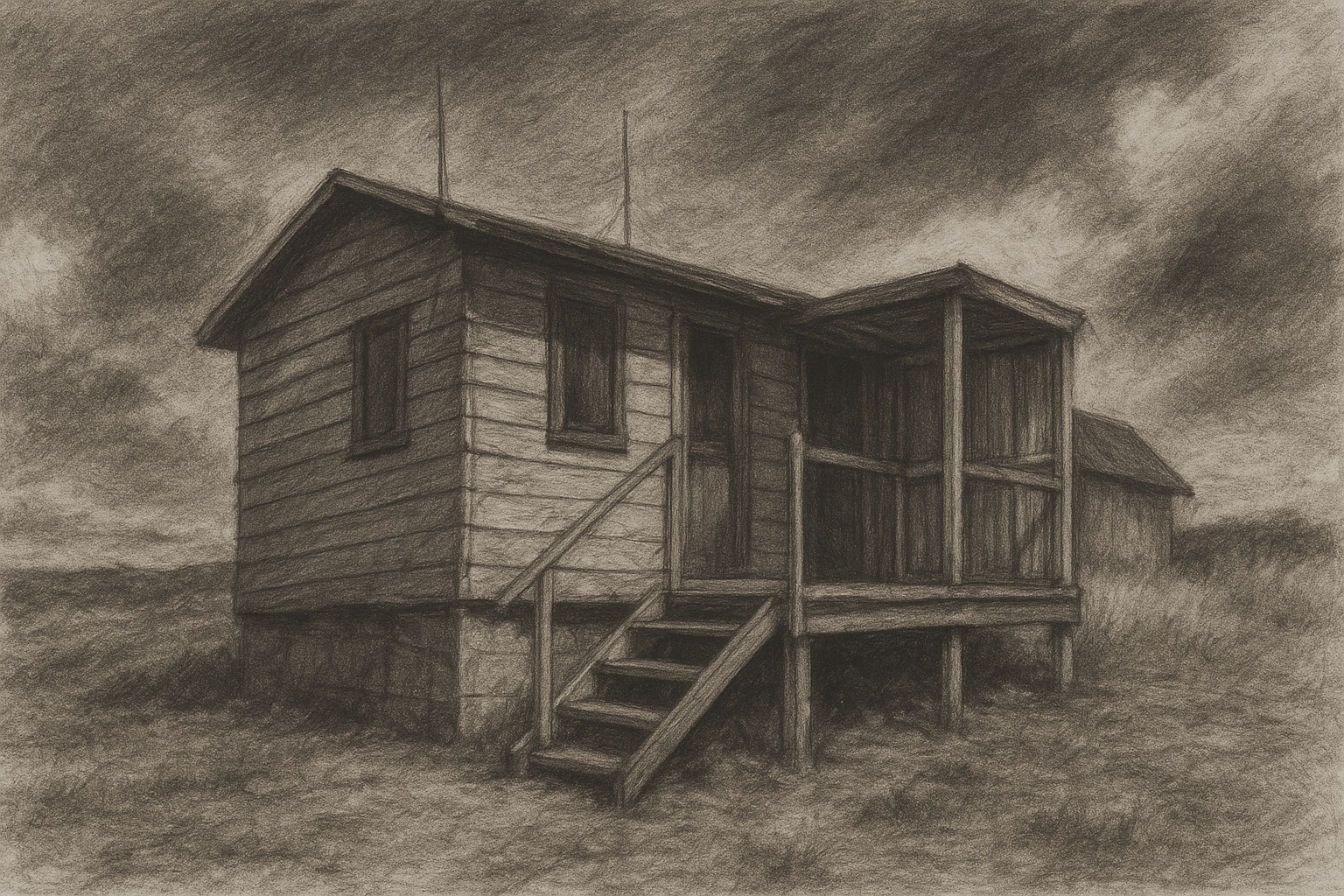
The Black Jack Huts were built in 1973 by the Hume-Snowy Bushfire Council to support fire tower operations in the high-altitude terrain south of Cabramurra Road. Originally part of a cluster of utility buildings, only two structures remain today — the main hut and an external shed.
Positioned at elevation and exposed to harsh alpine weather, the huts served as seasonal accommodation for fire watchers monitoring bushfire risk across the region. Their construction reflects the practical needs of emergency services in remote environments.
Though not publicly accessible, the site offers a rare glimpse into the infrastructure of bushfire management in the Snowy Mountains during the 1970s.
The main hut measures approximately 8m × 4m, built with weatherboard cladding and a corrugated iron roof. It is fully lined, with a wooden floor and basic furniture. Notably, it lacks a fireplace — a rarity among alpine huts. An external shed and toilet are also present, both locked.
While not heritage-listed, the huts are maintained under the Kosciuszko Huts Conservation Strategy for their historical association with bushfire management. Conservation efforts focus on structural integrity and weatherproofing, with minimal public access.
The main hut and shed are locked and maintained by park authorities. The Kosciuszko Huts Association supports documentation and monitoring, though active stewardship is limited due to access constraints.