Photos
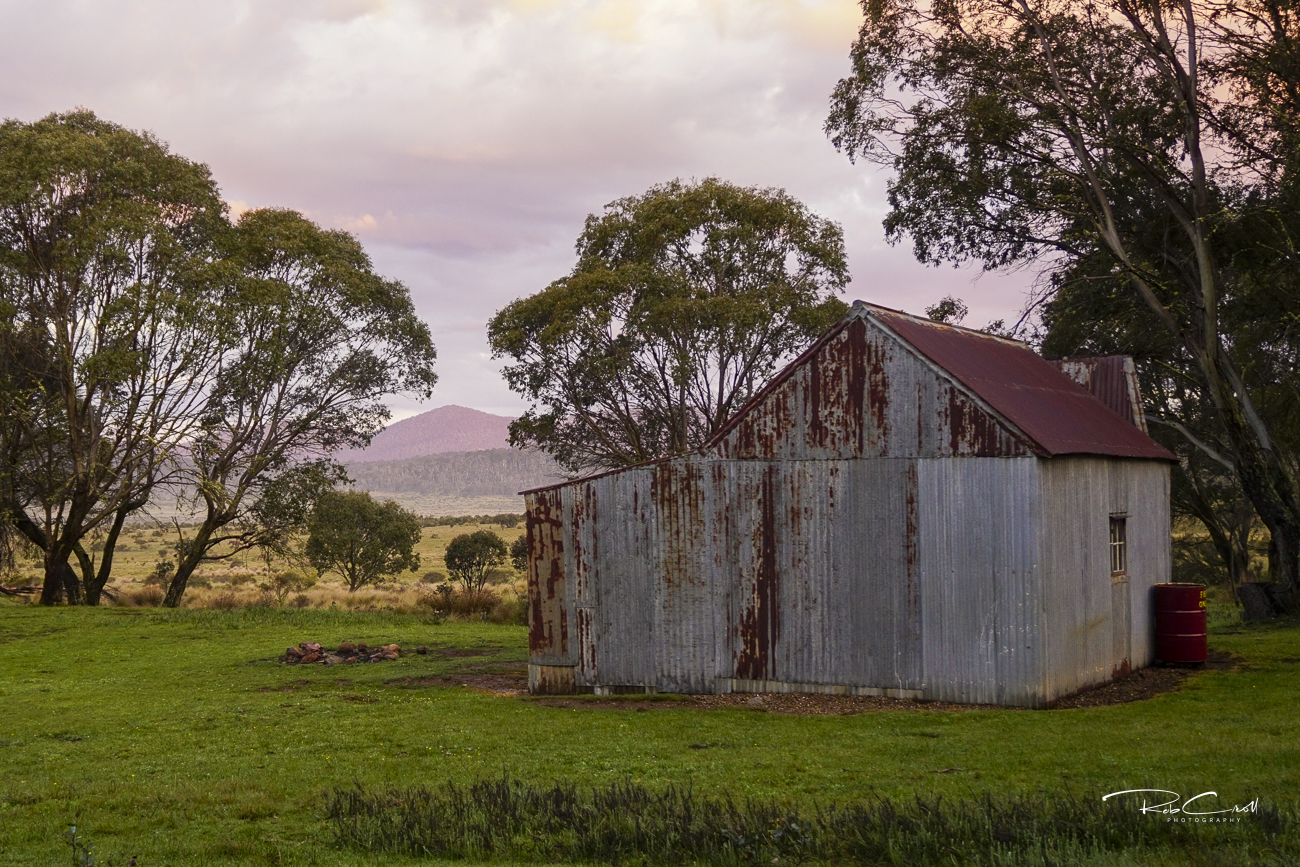
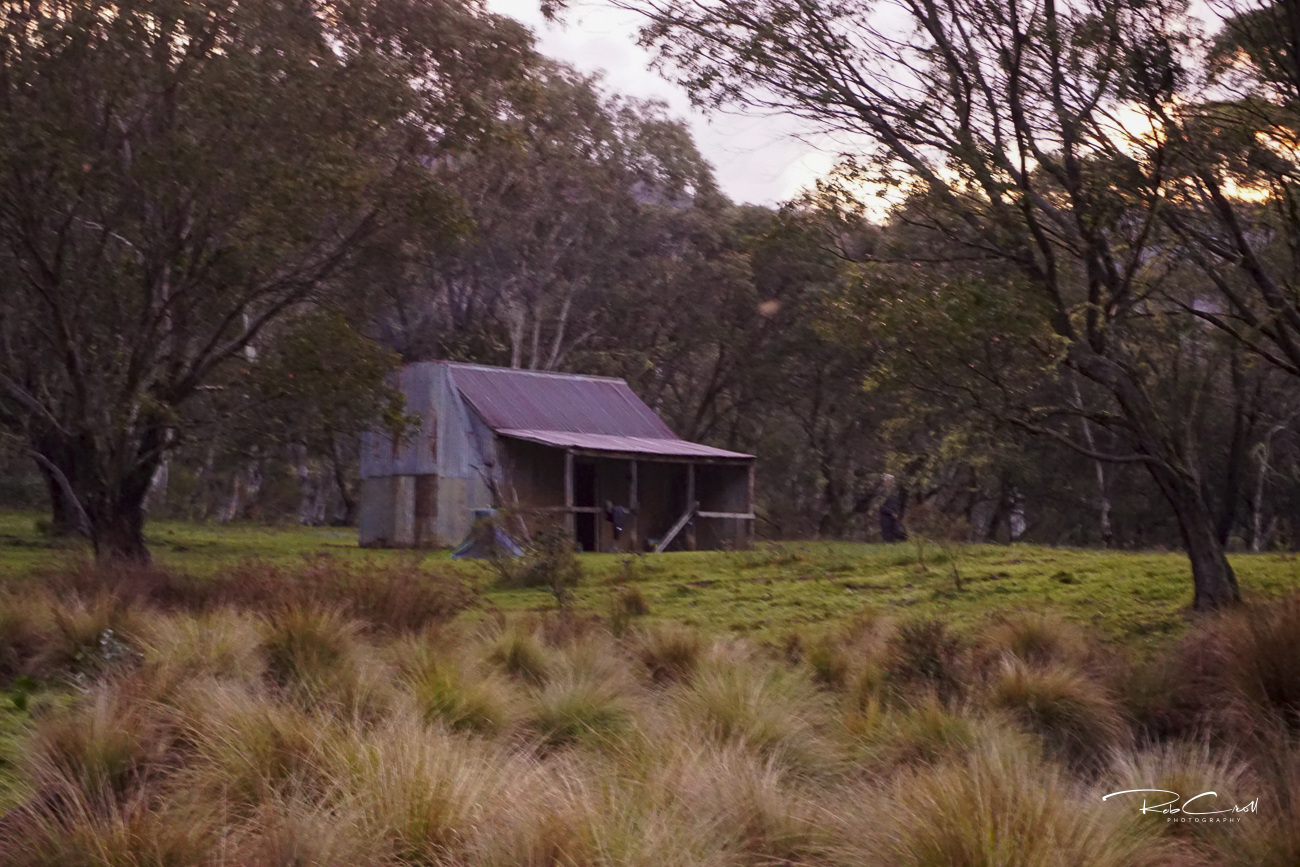
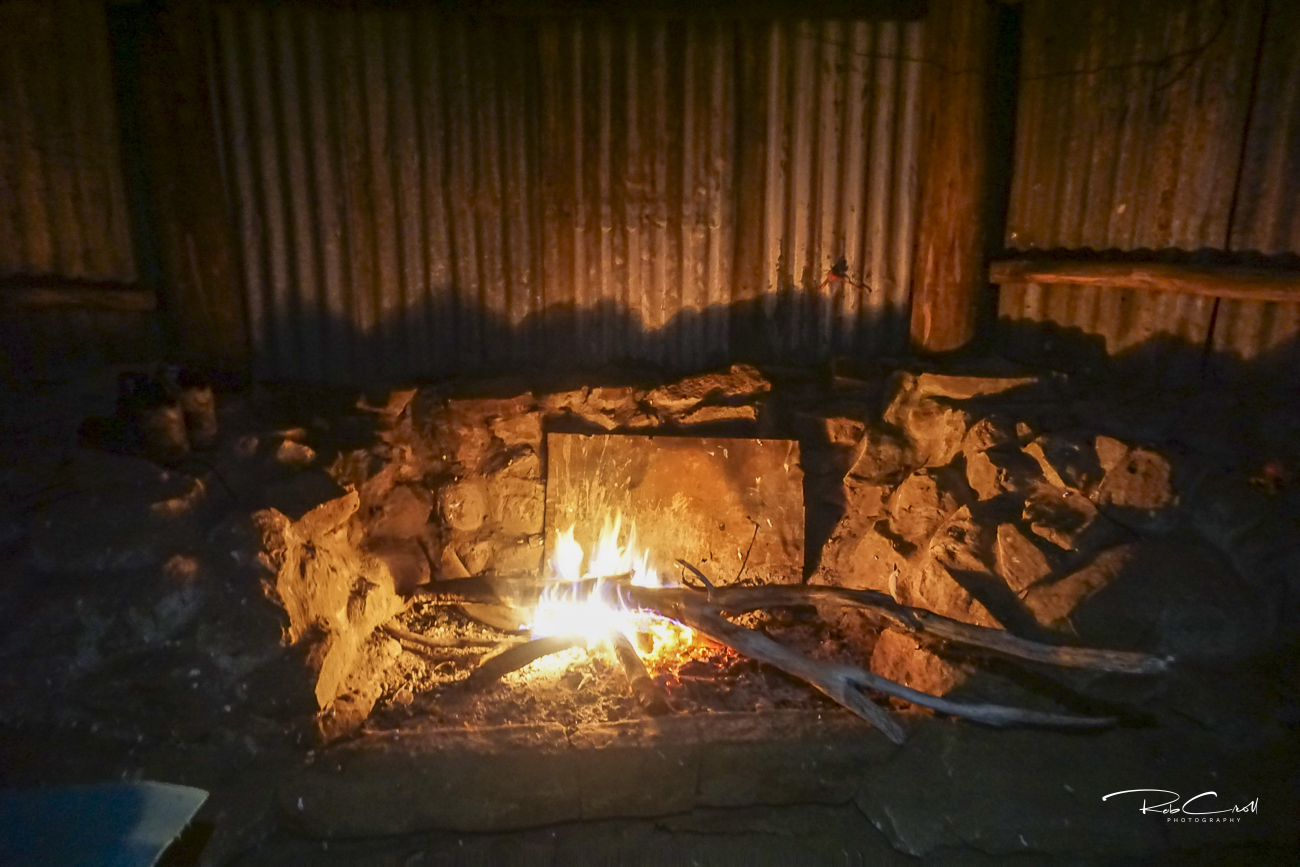
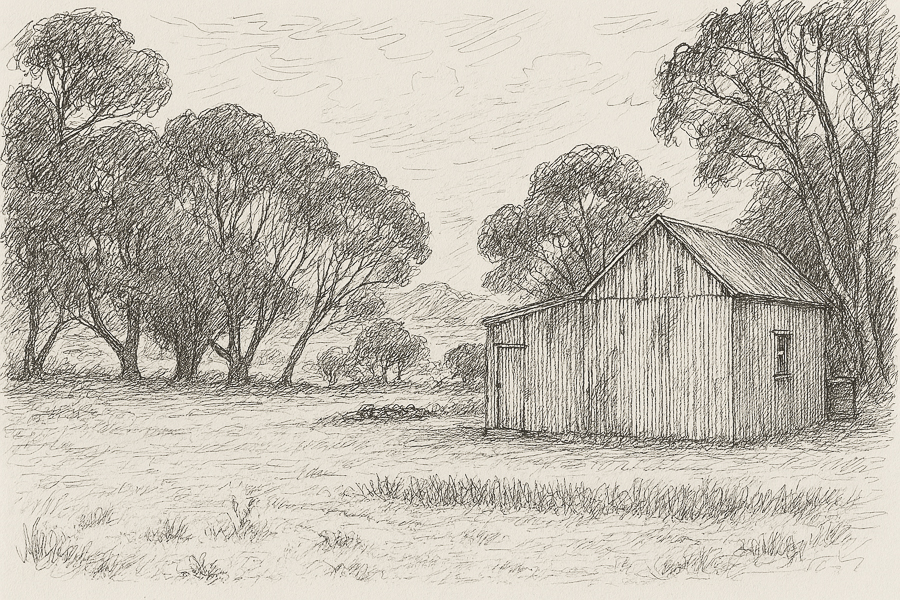
| Built | 1952 by William Travis Jones |
| Condition | ★★★☆☆ |
| 1930s | Constructed by Bill Jones as a seasonal grazing shelter |
| 1940s–50s | Used by stockmen and bushwalkers traversing the Tumut River corridor |
| 1980s | Documented by Kosciuszko Huts Association (KHA) volunteers |
| 2003 | Survived bushfires with minor damage |
| 2020s | Maintained under KHA stewardship; remains accessible to walkers |
Bill Jones Hut was constructed in 1952 by William Travis Jones, a long-time leaseholder on the Tantangara Plain whose grazing tenure spanned from the 1930s to the 1970s. It is widely regarded as the last hut built for grazing purposes in the northern Kosciuszko region — a symbolic bookend to the era of high-country pastoral expansion.
Jones built the hut near Blue Waterholes, a limestone-rich area later designated for karst protection. Its location would eventually place it at the center of conservation debates, particularly regarding recreational access and horse riding in sensitive cave systems.
Despite these tensions, the hut remains a well-preserved example of late-period utilitarian construction, and a quiet witness to the changing values of alpine land use.
Bill Jones Hut is a single-room slab structure built with bush-hewn timber and corrugated iron roofing. It features a stone fireplace, split timber walls, an iron chimney, and an earth floor. The hut reflects the utilitarian needs of grazing life.
Bill Jones Hut occupies a sensitive ecological zone near Blue Waterholes, an area notable for its limestone karst formations and subterranean cave systems. The hut’s proximity to these features has placed it within the scope of karst protection policies and recreational access management plans.
While the hut itself is not heritage-listed, it is maintained under the Kosciuszko Huts Conservation Strategy, which recognizes its historical value as a late-period grazing structure. Its preservation is guided by principles of minimal intervention, ensuring that original fabric and spatial context are retained.
The hut is maintained by the Kosciuszko Huts Association under a passive conservation model. Efforts focus on preserving original materials, ensuring seasonal access, and monitoring post-bushfire integrity.
Notes from 'Kosciuszko National Park Huts Conservation Strategy' October 20051